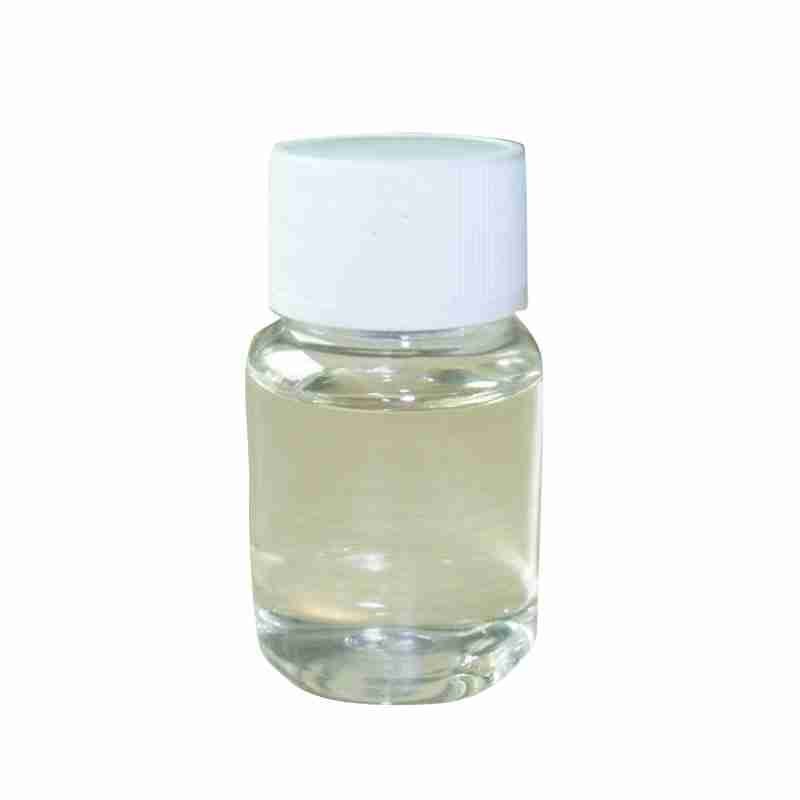
3,4-Ethylenedioxythiophene CAS#126213-50-1

3,4-Ethylenedioxythiophene CAS#126213-50-1

3,4-Ethylenedioxythiophene is a synthetic organic compound characterized by its unique structure that includes a thiophene ring with ethylenedioxy substituents at the 3 and 4 positions. This compound is known for its potential applications in the synthesis of various organic materials, including pharmaceuticals and organic electronic devices such as sensors and solar cells. Its stability and reactivity make it a versatile intermediate in the chemical industry.

Quality Certified
Technical Support
Custom R&D

Product Details

3,4-Ethylenedioxythiophene is a synthetic organic compound characterized by its unique structure that includes a thiophene ring with ethylenedioxy substituents at the 3 and 4 positions. This compound is known for its potential applications in the synthesis of various organic materials, including pharmaceuticals and organic electronic devices such as sensors and solar cells. Its stability and reactivity make it a versatile intermediate in the chemical industry.

Category:

Description

3,4-Ethylenedioxythiophene CAS#126213-50-1

3,4-Ethylenedioxythiophene Chemical Properties
Melting point 10 ??C
Boiling point 193 ??C (lit.)
density 1.331 g/mL at 25 ??C (lit.)
vapor pressure 11.9Pa at 25??
refractive index n20/D?1.5765(lit.)
Fp 230???F
storage temp. 2-8??C
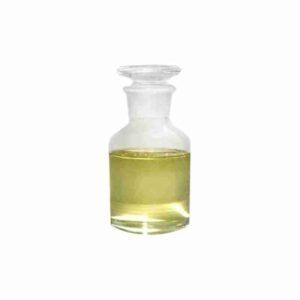
form clear liquid
color Colorless to Yellow
Water Solubility Immsicible with water. Miscible with alcohol and ether.
InChIKey GKWLILHTTGWKLQ-UHFFFAOYSA-N
LogP 1.976 at 25?? and pH7.1
CAS DataBase Reference 126213-50-1(CAS DataBase Reference)
EPA Substance Registry System Thieno[3,4-b]-1,4-dioxin, 2,3-dihydro- (126213-50-1)
Safety Information
Hazard Codes Xn,Xi
Risk Statements 21/22-36
Safety Statements 26-36
RIDADR UN 2810 6.1/PG 3
WGK Germany 2
TSCA Yes
HazardClass 6.1
PackingGroup III
HS Code 29349990
Industry Solutions

Designed for Modern Chemical Industry

Meeting the demands of dual-carbon goals with green, efficient new material solutions.

โš—๏ธ

New Catalysts

High-performance catalysts for energy-efficient chemical processes

๐ŸŒฑ

Eco-friendly Materials

Bio-based and biodegradable materials for sustainable manufacturing

๐Ÿ”ฉ

Special Polymers

High-performance polymers for demanding industrial applications

๐Ÿค

Custom R&D

Collaborative development from concept to commercial production

Our Cooperation Process

From your initial inquiry to long-term technical partnership -- a transparent, efficient workflow.

๐Ÿ“‹
01 Submit Requirement
๐Ÿ”
02 Technical Evaluation
๐Ÿงช
03 Sample Testing
โš™๏ธ
04 Formula Optimization
๐Ÿญ
05 Trial Production
๐Ÿš€
06 Mass Delivery & Support

Request a Quote

Tell us your requirements and our technical team will respond within 24 hours.

By submitting, you agree to our privacy policy.

Related Products

Daily Chemicals

3-methyl-4-propan-2-ylphenol CAS#3228-02-2

3-Methyl-4-propan-2-ylphenol is a key aromatic intermediate with a distinctive methyl and isopropyl substitution pattern on a phenolic structure. It plays a crucial role in the production of specialty chemicals and pharmaceuticals, offering a robust platform for the development of innovative applications.

View Details
Ploymers

Neodecanoyl chloride CAS#40292-82-8

Neodecanoyl chloride is a synthetic compound derived from neodecanoic acid, a branched-chain fatty acid. It is used as a reagent in organic synthesis, particularly for the formation of esters and amides. This acylating agent is also employed in the preparation of pharmaceuticals, agrochemicals, and other specialty chemicals. Its ability to react with amines and alcohols makes it versatile for creating a variety of chemical bonds, contributing to its utility in the chemical industry.

View Details
Ploymers

Silicon dioxide CAS#7631-86-9

Silicon dioxide, commonly known as silica, is a naturally occurring compound found in quartz and sand. It is a primary component of most rocks and is widely used in various industries due to its high thermal stability, chemical inertness, and optical clarity. In chemical applications, it is valued for its abrasive, refractory, and adsorptive properties, making it essential in products like glass, ceramics, and electronics.

View Details