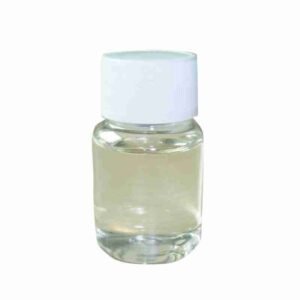
Phenolic epoxy resin CAS#61788-97-4

Phenolic epoxy resin CAS#61788-97-4

Epoxy Resin is a thermosetting polymer with superior adhesion, mechanical strength, and chemical resistance. It is widely used in various applications, including electrical insulation, coatings, and composite materials, due to its versatility and ability to be cured at room temperature.

Quality Certified
Technical Support
Custom R&D

Product Details

Epoxy Resin is a thermosetting polymer with superior adhesion, mechanical strength, and chemical resistance. It is widely used in various applications, including electrical insulation, coatings, and composite materials, due to its versatility and ability to be cured at room temperature.

Category: Tag:

Description

Phenolic epoxy resin

Phenolic epoxy resin Chemical Properties
form Uncured resins are longchained prepolymers that are viscous liquids or solids; the cured resins are strong, solid polymers
EPA Substance Registry System Epoxy resins (61788-97-4)
Industry Solutions

Designed for Modern Chemical Industry

Meeting the demands of dual-carbon goals with green, efficient new material solutions.

โš—๏ธ

New Catalysts

High-performance catalysts for energy-efficient chemical processes

๐ŸŒฑ

Eco-friendly Materials

Bio-based and biodegradable materials for sustainable manufacturing

๐Ÿ”ฉ

Special Polymers

High-performance polymers for demanding industrial applications

๐Ÿค

Custom R&D

Collaborative development from concept to commercial production

Our Cooperation Process

From your initial inquiry to long-term technical partnership -- a transparent, efficient workflow.

๐Ÿ“‹
01 Submit Requirement
๐Ÿ”
02 Technical Evaluation
๐Ÿงช
03 Sample Testing
โš™๏ธ
04 Formula Optimization
๐Ÿญ
05 Trial Production
๐Ÿš€
06 Mass Delivery & Support

Request a Quote

Tell us your requirements and our technical team will respond within 24 hours.

By submitting, you agree to our privacy policy.

Related Products

Daily Chemicals

Hydrocoumarin CAS# 119-84-6

Dihydrocoumarin is also known as 1,2-benzodihydropyranone, Tonkamel, and Melilotine. Natural products exist in Melilotus officinalis. It has a coumarin-like aroma at room temperature and a nitrobenzene smell at high temperatures. It has a spicy taste. It is a colorless or light yellow viscous liquid, or leaf-shaped crystals. Relative molecular weight 148.17. Relative density 1.169 (18??C). Melting point 25??C. Boiling point 272??C, 145??C (2.400??103Pa). Refractive index 1.5563. Flash point 130??C. It is slightly soluble in water, soluble in ethanol and ether, and easily soluble in chloroform. Vapor irritates the skin, eyes and respiratory tract. The oral LD50 of rats is 1460mg/kg.

View Details
Daily Chemicals

N,N-Diethyl-m-toluamide CAS#134-62-3

N,N-Diethyl-m-toluamide, commonly known as DEET, is a widely recognized synthetic compound that serves as the active ingredient in numerous insect repellent products. DEET is characterized by its efficacy in deterring and repelling a variety of insects, including mosquitoes, ticks, and flies, which are known vectors for diseases such as malaria, Lyme disease, and Zika virus. Chemically, DEET is an amide with the molecular formula C12H19NO. It was first developed in 1946 and has since become the benchmark against which other insect repellents are measured. DEET works by targeting the olfactory receptors of insects, masking the scent of humans and animals, which are typically attractive to these pests. This compound is valued for its long-lasting protection and stability under various environmental conditions. It is available in various formulations, including sprays, lotions, and creams, and can be applied topically to skin or clothing. DEET is also known for its compatibility with other active ingredients, allowing for the development of multi-purpose products. <p class="last-node">In summary, DEET is a reliable and effective insect repellent, widely used for its ability to provide durable protection against disease-carrying insects. Its chemical properties and formulation flexibility make it a staple in the field of personal insect protection.</p>

View Details
Ploymers

Poly(propylene glycol) bis(2-aminopropyl ether) CAS#9046-10-0

Polyether Amine (PEA) is a type of curing agent for epoxy resins, characterized by its excellent flexibility and toughness. It is used to enhance the performance of epoxy formulations in applications such as adhesives, coatings, and advanced composites, providing improved durability and impact resistance.

View Details