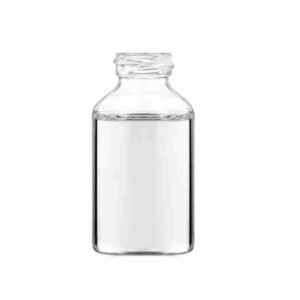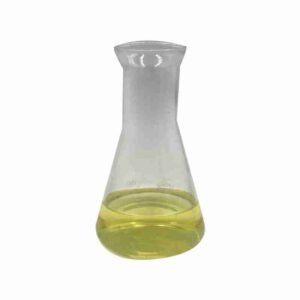
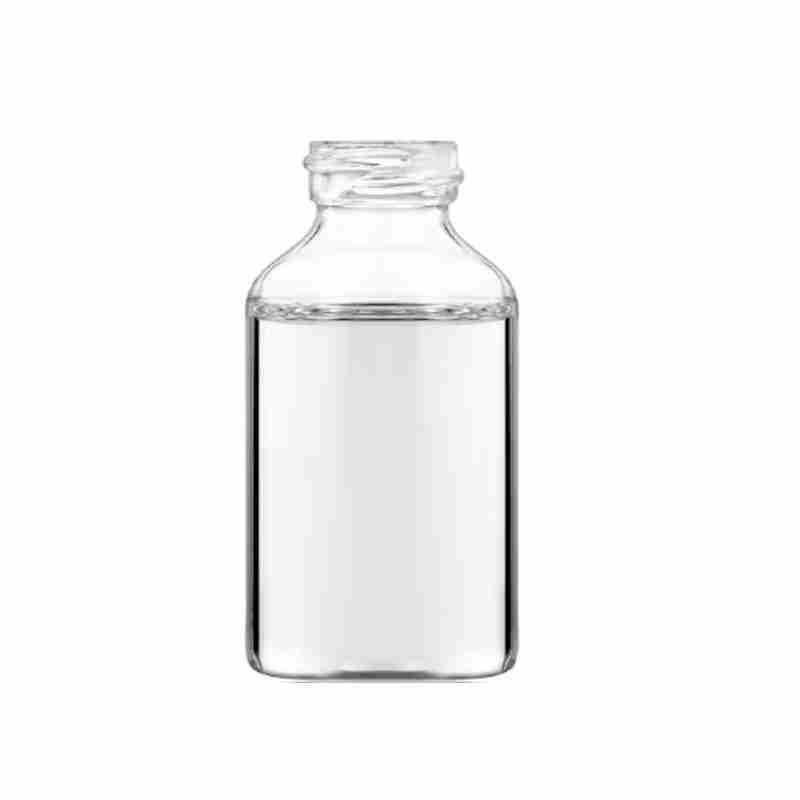
Neodecanoyl chloride CAS#40292-82-8

Neodecanoyl chloride CAS#40292-82-8

Neodecanoyl chloride is a synthetic compound derived from neodecanoic acid, a branched-chain fatty acid. It is used as a reagent in organic synthesis, particularly for the formation of esters and amides. This acylating agent is also employed in the preparation of pharmaceuticals, agrochemicals, and other specialty chemicals. Its ability to react with amines and alcohols makes it versatile for creating a variety of chemical bonds, contributing to its utility in the chemical industry.

Quality Certified
Technical Support
Custom R&D

Product Details

Neodecanoyl chloride is a synthetic compound derived from neodecanoic acid, a branched-chain fatty acid. It is used as a reagent in organic synthesis, particularly for the formation of esters and amides. This acylating agent is also employed in the preparation of pharmaceuticals, agrochemicals, and other specialty chemicals. Its ability to react with amines and alcohols makes it versatile for creating a variety of chemical bonds, contributing to its utility in the chemical industry.

Category: Tag:

Description

Neodecanoyl chloride

Neodecanoyl chloride Chemical Properties
Boiling point 209.6?? at 101.325kPa
density 0.951 at 20??
vapor pressure 22-198Pa at 20-50.85??
CAS DataBase Reference 40292-82-8(CAS DataBase Reference)
EPA Substance Registry System Neodecanoyl chloride (40292-82-8)
Safety Information
Hazard Codes T,T+
Risk Statements 22-26-34
Safety Statements 1/2-26-28-36/37/39-45
Industry Solutions

Designed for Modern Chemical Industry

Meeting the demands of dual-carbon goals with green, efficient new material solutions.

โš—๏ธ

New Catalysts

High-performance catalysts for energy-efficient chemical processes

๐ŸŒฑ

Eco-friendly Materials

Bio-based and biodegradable materials for sustainable manufacturing

๐Ÿ”ฉ

Special Polymers

High-performance polymers for demanding industrial applications

๐Ÿค

Custom R&D

Collaborative development from concept to commercial production

Our Cooperation Process

From your initial inquiry to long-term technical partnership -- a transparent, efficient workflow.

๐Ÿ“‹
01 Submit Requirement
๐Ÿ”
02 Technical Evaluation
๐Ÿงช
03 Sample Testing
โš™๏ธ
04 Formula Optimization
๐Ÿญ
05 Trial Production
๐Ÿš€
06 Mass Delivery & Support

Request a Quote

Tell us your requirements and our technical team will respond within 24 hours.

By submitting, you agree to our privacy policy.

Related Products

Ploymers

Methyltin mercaptide CAS#57583-35-4

Methyltin mercaptides are organometallic sulfur-containing compounds that feature tin-methyl and tin-mercapto groups. They are utilized in the synthesis of organotin compounds, which are known for their biocidal properties and are used in marine antifouling coatings. These mercaptides are also significant in organometallic chemistry for their potential catalytic and stabilizing roles in industrial applications.

View Details
Ploymers

Terpene resin CAS#9003-74-1

<div class="pop-container"> <div class="popcontent-hole"> <div class="pop-content"> <div class="normal___qxduM"> <div class="markdown___vuBDJ"> <p class="last-node">Terpene resin is a type of natural resin derived from terpenes, which are organic compounds found in various plants. It is known for its aromatic properties and is commonly used in the production of fragrances, flavorings, and as a component in adhesives and coatings within the chemical industry. Terpene resin offers a range of benefits, including enhancing the solubility of essential oils and providing a stable base for various applications. Its natural origin makes it a preferred choice for eco-friendly products.</p> </div> </div> </div> <div class="chatSegmentBottomActions___NZ_V8"> <div class="leftbtns___BpCju MuiBox-root css-1mdh3j9"> <div class="MuiBox-root css-v48vqp"><button class="MuiButtonBase-root MuiIconButton-root MuiIconButton-sizeMedium iconButton___3OzVF css-1uviwf" tabindex="0" type="button" data-testid="msh-chat-segment-copy"><span class="MuiTypography-root MuiTypography-body1 label___TPWYH css-17cnyc1">????</span></button><button class="MuiButtonBase-root MuiIconButton-root MuiIconButton-sizeMedium iconButton___3OzVF css-1uviwf" tabindex="0" type="button" data-testid="msh-chat-segment-reAnswer"><span class="MuiTypography-root MuiTypography-body1 label___TPWYH css-17cnyc1">????าป??</span></button><button class="MuiButtonBase-root MuiIconButton-root MuiIconButton-sizeMedium iconButton___3OzVF css-1uviwf" tabindex="0" type="button"><span class="MuiTypography-root MuiTypography-body1 label___TPWYH css-17cnyc1">????</span></button></div> <div class="MuiBox-root css-r8wxqi"></div> </div> </div> </div> </div> <div class="contentbottom-hole"> <div class="MuiBox-root css-2wedsf"> <div class="container___chUs0 withContent___TKW3m MuiBox-root css-1mdh3j9" aria-label=""></div> </div> </div>

View Details
Daily Chemicals

Coconut diethanolamide CAS#68603-42-9

Coconut diethanolamide is a derivative of coconut fatty acids, where the fatty acid is reacted with diethanolamine to form an amide. This compound is commonly used as an emulsifier and viscosity modifier in personal care products such as shampoos, conditioners, and creams. It imparts a smooth texture and enhances the stability of formulations. Coconut diethanolamide is valued for its ability to improve the foaming properties and skin feel of products, making it a preferred ingredient for creating luxurious and effective formulations in the cosmetics and personal care industry.

View Details