Triethylene glycol dimethacrylate CAS#109-16-0

Triethylene glycol dimethacrylate CAS#109-16-0

Triethylene glycol dimethacrylate (TEGDMA) is a cross-linking agent with three ethylene oxide units, enhancing polymer elasticity and durability. It's widely used in dental resins, adhesives, and coatings for its ability to improve mechanical properties and stability.

Quality Certified
Technical Support
Custom R&D

Product Details

Triethylene glycol dimethacrylate (TEGDMA) is a cross-linking agent with three ethylene oxide units, enhancing polymer elasticity and durability. It’s widely used in dental resins, adhesives, and coatings for its ability to improve mechanical properties and stability.

Category: Tag:

Description

Triethylene glycol dimethacrylate

Triethylene glycol dimethacrylate Chemical Properties
Melting point -52??C
Boiling point 170-172???C5?mm Hg(lit.)
density 1.092?g/mL?at 25???C(lit.)
vapor pressure 0.077Pa at 20??
refractive index n20/D?1.461(lit.)
Fp >230???F
storage temp. 2-8??C
solubility Chloroform, Methanol
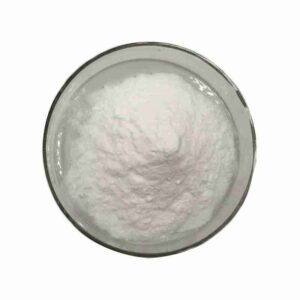
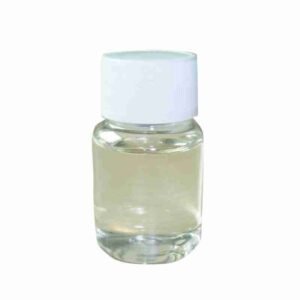
form Oil
color Colourless to Pale Yellow
Specific Gravity 1.092
Water Solubility 3.6g/L at 20??
BRN 1797351
Stability: Light Sensitive
InChIKey HWSSEYVMGDIFMH-UHFFFAOYSA-N
LogP 2.3 at 20??
CAS DataBase Reference 109-16-0(CAS DataBase Reference)
NIST Chemistry Reference 2-Propenoic acid, 2-methyl-, 1,2-ethanediylbis(oxy-2,1-ethanediyl) ester(109-16-0)
EPA Substance Registry System Triethylene glycol dimethacrylate (109-16-0)
Safety Information
Hazard Codes Xi
Risk Statements 36/37/38-43
Safety Statements 26-28-36/37
RIDADR UN 3334
WGK Germany 1
RTECS OZ4100000
F 8-19
TSCA TSCA listed
HS Code 29161900
Hazardous Substances Data 109-16-0(Hazardous Substances Data)
Toxicity LD50 oral in rat: 10837mg/kg
Industry Solutions

Designed for Modern Chemical Industry

Meeting the demands of dual-carbon goals with green, efficient new material solutions.

โš—๏ธ

New Catalysts

High-performance catalysts for energy-efficient chemical processes

๐ŸŒฑ

Eco-friendly Materials

Bio-based and biodegradable materials for sustainable manufacturing

๐Ÿ”ฉ

Special Polymers

High-performance polymers for demanding industrial applications

๐Ÿค

Custom R&D

Collaborative development from concept to commercial production

Our Cooperation Process

From your initial inquiry to long-term technical partnership -- a transparent, efficient workflow.

๐Ÿ“‹
01 Submit Requirement
๐Ÿ”
02 Technical Evaluation
๐Ÿงช
03 Sample Testing
โš™๏ธ
04 Formula Optimization
๐Ÿญ
05 Trial Production
๐Ÿš€
06 Mass Delivery & Support

Request a Quote

Tell us your requirements and our technical team will respond within 24 hours.

By submitting, you agree to our privacy policy.

Related Products

Petroleum Additives

Silicones CAS#63148-53-8

Silicones are a family of synthetic polymers known for their versatility and stability. They are heat-resistant, non-toxic, and have excellent electrical insulation properties. Commonly used in various industries such as construction, automotive, aerospace, and personal care products, silicones offer a wide range of applications from sealants and adhesives to lubricants and medical devices. Their resistance to extreme temperatures and weathering makes them a preferred choice for many high-performance applications.

View Details
Ploymers

3,4-Ethylenedioxythiophene CAS#126213-50-1

3,4-Ethylenedioxythiophene is a synthetic organic compound characterized by its unique structure that includes a thiophene ring with ethylenedioxy substituents at the 3 and 4 positions. This compound is known for its potential applications in the synthesis of various organic materials, including pharmaceuticals and organic electronic devices such as sensors and solar cells. Its stability and reactivity make it a versatile intermediate in the chemical industry.

View Details
Petroleum Additives

1-Octanol CAS#111-87-5

1-Octanol, also known as Capryl alcohol or n-Octanol, is a clear, colorless liquid with a characteristic waxy odor. It is an alcohol with eight carbon atoms in its chain, making it a part of the aliphatic alcohol family. This compound is poorly soluble in water but is miscible with ethanol, diethyl ether, and chloroform . It has a melting point of approximately -15??C and a boiling point of around 196??C . 1-Octanol is used in the production of esters, plasticizers, and as a solvent or intermediate in the synthesis of various organic compounds. It also finds application in the fragrance industry as a fixative in perfumes and can be used in the formulation of flavor and scent compositions . It is important to note that 1-Octanol is flammable and should be handled with care, storing it away from sources of ignition and heat .

View Details