Silicone oil CAS#63148-62-9

Silicone oil CAS#63148-62-9

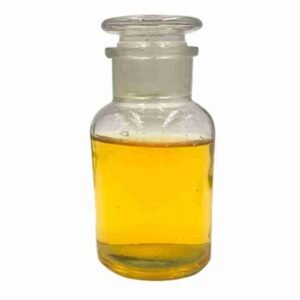
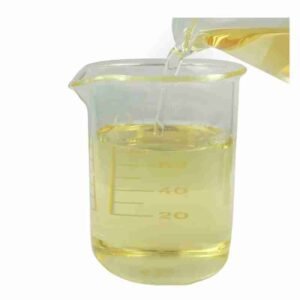
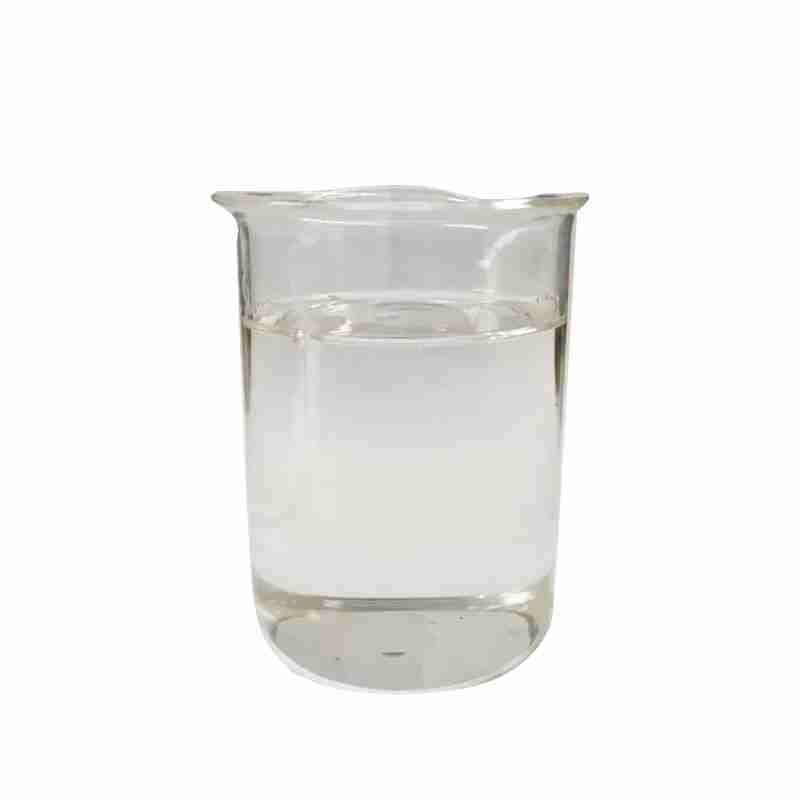
Silicone oil, known for its chemical designation as dimethicone or polydimethylsiloxane, is a synthetic polymer with a backbone of alternating silicon and oxygen atoms, creating a highly versatile and stable compound. It is renowned for its exceptional lubricating properties, heat resistance, and non-toxic nature, making it a staple in various industries, including cosmetics, automotive, and aerospace. This hydrophobic, non-volatile oil is valued for its ability to provide a smooth, non-greasy feel and to form stable emulsions with other ingredients. In personal care products, silicone oil is used to impart a silky texture, reduce friction on the skin, and create a protective barrier against environmental stressors without clogging pores. Silicone oil's chemical inertness and resistance to oxidation contribute to its long shelf life and stability in formulations. It is also appreciated for its compatibility with a wide range of substances, allowing for the creation of multifunctional products. <p class="last-node">In summary, silicone oil is a reliable and multifaceted ingredient, offering a combination of performance, safety, and sensory benefits. Its use in a variety of applications reflects its versatility and enduring appeal in the marketplace.</p>

Quality Certified
Technical Support
Custom R&D

Product Details

Silicone oil, known for its chemical designation as dimethicone or polydimethylsiloxane, is a synthetic polymer with a backbone of alternating silicon and oxygen atoms, creating a highly versatile and stable compound. It is renowned for its exceptional lubricating properties, heat resistance, and non-toxic nature, making it a staple in various industries, including cosmetics, automotive, and aerospace.

This hydrophobic, non-volatile oil is valued for its ability to provide a smooth, non-greasy feel and to form stable emulsions with other ingredients. In personal care products, silicone oil is used to impart a silky texture, reduce friction on the skin, and create a protective barrier against environmental stressors without clogging pores.

Silicone oil’s chemical inertness and resistance to oxidation contribute to its long shelf life and stability in formulations. It is also appreciated for its compatibility with a wide range of substances, allowing for the creation of multifunctional products.

In summary, silicone oil is a reliable and multifaceted ingredient, offering a combination of performance, safety, and sensory benefits. Its use in a variety of applications reflects its versatility and enduring appeal in the marketplace.

Description

Silicone oil Chemical Properties
Melting point ?59???C(lit.)
Boiling point 101???C(lit.)
density 0.963 g/mL at 25 ??C
Tg -123
vapor density >1 (vs air)
vapor pressure <5 mm Hg ( 25 ??C)
refractive index n20/D 1.377(lit.)
Fp >270 ??C (518 ??F)
storage temp. 2-8??C
solubility Chloroform (Slightly), Ethyl Acetate (Sparingly), Toluene (Sparingly)
form Oily Liquid
Specific Gravity 0.853
color Clear colorless
Odor Odorless
Water Solubility PRACTICALLY INSOLUBLE
Merck 14,8495
Dielectric constant 2.7??Ambient??
Stability: Stable. Incompatible with strong oxidizing agents.
EPA Substance Registry System Dimethyl siloxanes and silicones (63148-62-9)
Safety Information
Hazard Codes
Risk Statements
Safety Statements
WGK Germany 1
RTECS JM9237000
F 10
Autoignition Temperature >400
TSCA Yes
HS Code 39100000
Hazardous Substances Data 63148-62-9(Hazardous Substances Data)
Toxicity LD50 oral in rat: > 17gm/kg
Industry Solutions

Designed for Modern Chemical Industry

Meeting the demands of dual-carbon goals with green, efficient new material solutions.

โš—๏ธ

New Catalysts

High-performance catalysts for energy-efficient chemical processes

๐ŸŒฑ

Eco-friendly Materials

Bio-based and biodegradable materials for sustainable manufacturing

๐Ÿ”ฉ

Special Polymers

High-performance polymers for demanding industrial applications

๐Ÿค

Custom R&D

Collaborative development from concept to commercial production

Our Cooperation Process

From your initial inquiry to long-term technical partnership -- a transparent, efficient workflow.

๐Ÿ“‹
01 Submit Requirement
๐Ÿ”
02 Technical Evaluation
๐Ÿงช
03 Sample Testing
โš™๏ธ
04 Formula Optimization
๐Ÿญ
05 Trial Production
๐Ÿš€
06 Mass Delivery & Support

Request a Quote

Tell us your requirements and our technical team will respond within 24 hours.

By submitting, you agree to our privacy policy.

Related Products

Ploymers

Methyltin mercaptide CAS#57583-35-4

Methyltin mercaptides are organometallic sulfur-containing compounds that feature tin-methyl and tin-mercapto groups. They are utilized in the synthesis of organotin compounds, which are known for their biocidal properties and are used in marine antifouling coatings. These mercaptides are also significant in organometallic chemistry for their potential catalytic and stabilizing roles in industrial applications.

View Details
Daily Chemicals

Hydroxytyrosol CAS#10597-60-1

Hydroxytyrosol, a potent antioxidant polyphenol derived from olives, is celebrated for its health-promoting properties. Highly valued in the nutraceutical, cosmetic, and pharmaceutical sectors, it contributes to the development of products that support well-being and skin health.

View Details
Chemical Minerals

Bentonite, sodian CAS#85049-30-5

Bentonite, sodium-activated, is a type of clay rich in montmorillonite minerals, which undergoes a process to increase its sodium content. This alteration enhances its swelling and adsorptive properties, making it a highly effective thickener and gel-forming agent. Sodium bentonite is widely used in drilling muds, foundry sands, and as a binder in various industrial applications. Its ability to absorb liquids and form stable gels makes it invaluable in cosmetics, agriculture, and as a component in the manufacturing of ceramics and paper products.

View Details