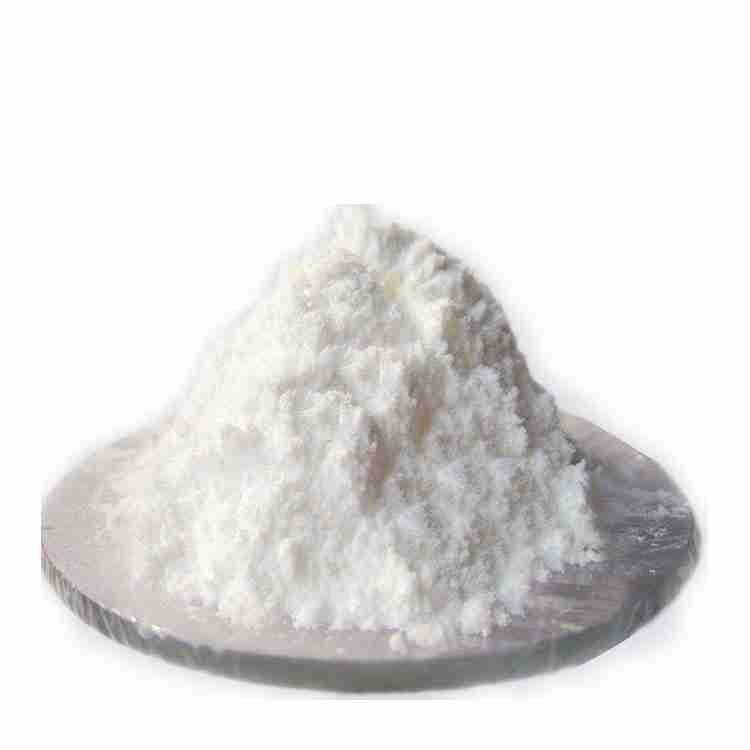
Polyhexamethyleneguanidine hydrochloride CAS#57028-96-3

Polyhexamethyleneguanidine hydrochloride CAS#57028-96-3

Polyhexamethylene guanidine hydrochloride, often abbreviated as PHMG-HCl, is a high molecular weight polymeric biguanide compound known for its potent antimicrobial properties. With a chemical structure that features a long chain of methylene groups bridged by guanidine units, PHMG-HCl is effective against a broad spectrum of microorganisms, including bacteria, viruses, and fungi. This hydrochloride salt form of PHMG is highly soluble in water and is commonly used in various applications due to its non-irritant and non-toxic nature to human skin and mucous membranes. It is widely recognized for its ability to form a colorless and odorless solution, making it an ideal choice for use in personal care products, medical disinfectants, and water treatment processes. The versatility of PHMG-HCl lies in its cationic nature, which allows it to bind to negatively charged microbial cell walls, disrupting their integrity and leading to cell death. This mechanism of action contributes to its effectiveness as a preservative and disinfectant. Moreover, its substantivity, or the ability to adhere to surfaces, enhances its long-lasting antimicrobial activity. <p class="last-node">In summary, Polyhexamethylene guanidine hydrochloride is a reliable and efficient antimicrobial agent, pivotal in industries where hygiene and cleanliness are paramount, offering a safe and sustainable solution for microbial control.</p>

Quality Certified
Technical Support
Custom R&D

Product Details

Polyhexamethylene guanidine hydrochloride, often abbreviated as PHMG-HCl, is a high molecular weight polymeric biguanide compound known for its potent antimicrobial properties. With a chemical structure that features a long chain of methylene groups bridged by guanidine units, PHMG-HCl is effective against a broad spectrum of microorganisms, including bacteria, viruses, and fungi.

This hydrochloride salt form of PHMG is highly soluble in water and is commonly used in various applications due to its non-irritant and non-toxic nature to human skin and mucous membranes. It is widely recognized for its ability to form a colorless and odorless solution, making it an ideal choice for use in personal care products, medical disinfectants, and water treatment processes.

The versatility of PHMG-HCl lies in its cationic nature, which allows it to bind to negatively charged microbial cell walls, disrupting their integrity and leading to cell death. This mechanism of action contributes to its effectiveness as a preservative and disinfectant. Moreover, its substantivity, or the ability to adhere to surfaces, enhances its long-lasting antimicrobial activity.

In summary, Polyhexamethylene guanidine hydrochloride is a reliable and efficient antimicrobial agent, pivotal in industries where hygiene and cleanliness are paramount, offering a safe and sustainable solution for microbial control.

Description

Polyhexamethyleneguanidine hydrochloride Chemical Properties
Melting point >222??C (sub.)
storage temp. Refrigerator, Under inert atmosphere
solubility DMSO (Soluble, Heated), Water (Slightly)
form Solid
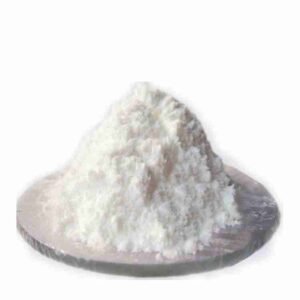
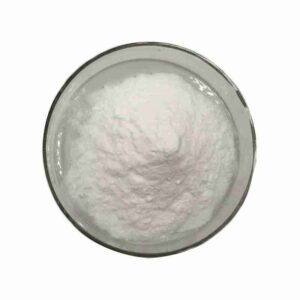
color White to Off-White
CAS DataBase Reference 57028-96-3(CAS DataBase Reference)
Polyhexamethyleneguanidine hydrochloride Usage And Synthesis
Description Polyhexamethylene guanidine?(PHMG) is a?guanidine?derivative that is used as a?biocidal?disinfectant, often in the form of its?salt?polyhexamethylene guanidine phosphate?(PHMG-P).
Uses Polyhexamethyleneguanidine Hydrochloride is an Ophthalmic compound containing Phenylephrine. Polyhexamethyleneguanidine Hydrochloride is an antibacterial agent; used in preparation method of multifuctional flame-retardant Polyester fabric.
Toxicity Preliminary findings indicate that PHMG and its derivatives primarily rely on damaging the?cell membrane?by inhibiting the activity of cellular?dehydrogenases.When PHMG is aerosolized and inhaled, it harms the lungs, causing death of the cells lining the?bronchioles?and widespread damage to?alveoli, along with?bronchiolitis obliterans,an often fatal form of non-reversible obstructive?lung?disease in which the bronchiole are compressed and narrowed by?fibrosis?(scar tissue) and/or?inflammation.
Chemical Properties Colorless to pale yellow solution
Application The polymer structure of polyhexamethyleneguanidine hydrochloride (PHGC) reduces its toxicity. However, the sterilization effect is more excellent, and it has been widely used in various fields such as medical and health institutions, family life, food industry and animal husbandry.
Industry Solutions

Designed for Modern Chemical Industry

Meeting the demands of dual-carbon goals with green, efficient new material solutions.

โš—๏ธ

New Catalysts

High-performance catalysts for energy-efficient chemical processes

๐ŸŒฑ

Eco-friendly Materials

Bio-based and biodegradable materials for sustainable manufacturing

๐Ÿ”ฉ

Special Polymers

High-performance polymers for demanding industrial applications

๐Ÿค

Custom R&D

Collaborative development from concept to commercial production

Our Cooperation Process

From your initial inquiry to long-term technical partnership -- a transparent, efficient workflow.

๐Ÿ“‹
01 Submit Requirement
๐Ÿ”
02 Technical Evaluation
๐Ÿงช
03 Sample Testing
โš™๏ธ
04 Formula Optimization
๐Ÿญ
05 Trial Production
๐Ÿš€
06 Mass Delivery & Support

Request a Quote

Tell us your requirements and our technical team will respond within 24 hours.

By submitting, you agree to our privacy policy.

Related Products

Ploymers

Aluminum chlorohydrate CAS#1327-41-9

Aluminum chlorohydrate is an inorganic compound often used as a coagulant in water treatment processes. It is also known for its astringent properties and is utilized in various personal care products, such as antiperspirants and deodorants, due to its ability to temporarily close sweat glands. It enhances the viscosity and stability of formulations, making it a valuable ingredient in cosmetics and pharmaceuticals.

View Details
Ploymers

Phenolic epoxy resin CAS#61788-97-4

Epoxy Resin is a thermosetting polymer with superior adhesion, mechanical strength, and chemical resistance. It is widely used in various applications, including electrical insulation, coatings, and composite materials, due to its versatility and ability to be cured at room temperature.

View Details
Ploymers

Methyltin mercaptide CAS#57583-35-4

Methyltin mercaptides are organometallic sulfur-containing compounds that feature tin-methyl and tin-mercapto groups. They are utilized in the synthesis of organotin compounds, which are known for their biocidal properties and are used in marine antifouling coatings. These mercaptides are also significant in organometallic chemistry for their potential catalytic and stabilizing roles in industrial applications.

View Details