Lauramidopropyl betaine CAS#4292-10-8

Lauramidopropyl betaine CAS#4292-10-8

Lauramidopropyl betaine is a mild, biodegradable surfactant commonly used in personal care products and cleaning formulations. It is derived from coconut oil and is known for its foaming and wetting properties, making it ideal for creating rich lathers. This ingredient is particularly favored for its gentleness on the skin and its ability to cleanse without causing irritation, making it suitable for sensitive skin types. It also contributes to the product's viscosity and stability.

Quality Certified
Technical Support
Custom R&D

Product Details

Lauramidopropyl betaine is a mild, biodegradable surfactant commonly used in personal care products and cleaning formulations. It is derived from coconut oil and is known for its foaming and wetting properties, making it ideal for creating rich lathers. This ingredient is particularly favored for its gentleness on the skin and its ability to cleanse without causing irritation, making it suitable for sensitive skin types. It also contributes to the product’s viscosity and stability.

Description

Lauramidopropyl betaine Chemical Properties
Melting point >128??C (dec.)
density 1.15[at 20??]
vapor pressure 0.31Pa at 20??
storage temp. Hygroscopic, -20??C Freezer, Under inert atmosphere
solubility Chloroform (Slightly), Methanol (Slightly)
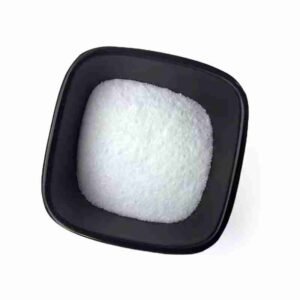
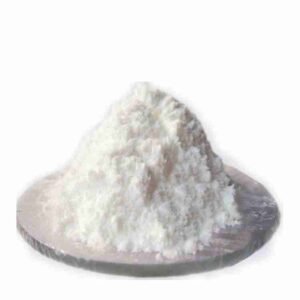
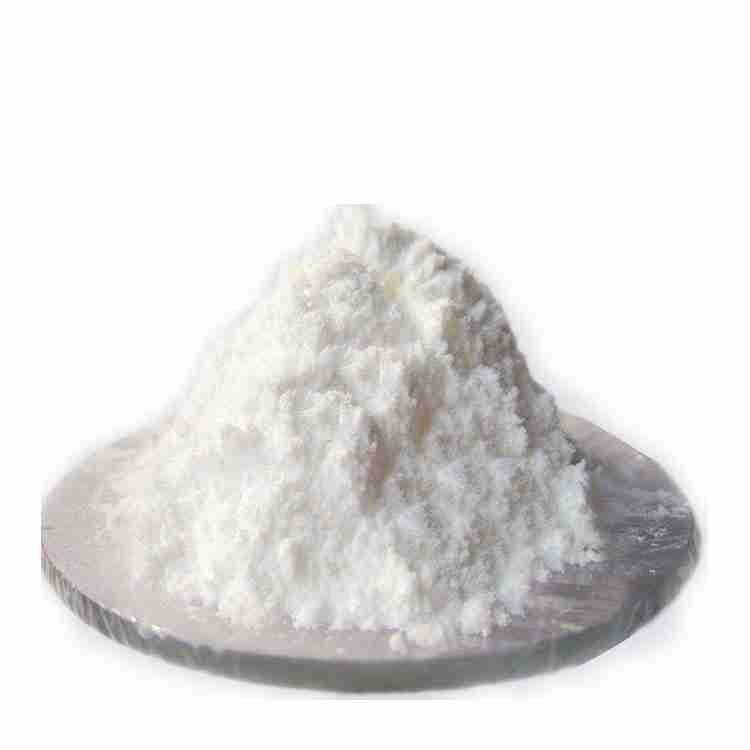
form Solid
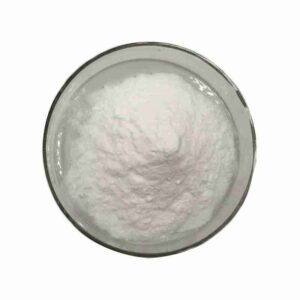
color White to Off-White
Water Solubility 250mg/L at 20??
Stability: Hygroscopic
LogP 3.54 at 20??
EPA Substance Registry System 1-Propanaminium, N-(carboxymethyl)-N,N-dimethyl-3-[(1-oxododecyl)amino]-, inner salt (4292-10-8)
Safety Information
MSDS Information
Lauramidopropyl betaine Usage And Synthesis
Description Lauramidopropyl betaine is a new type of special amphoteric surfactant, which belongs to the same series as lauramidopropyl betaine, and is a modified derivative of alkyl betaine. Lauramidopropyl betaine has the characteristics of temperature resistance, acid and alkali resistance, good salt resistance, wide isoelectric point and strong viscoelasticity, etc. It is widely used in oil field oil repelling, leather, daily chemical industry and other fields. As a good viscoelastic surfactant applied to the substrate acidification of oilfield, it can effectively reduce the oil/water interfacial tension and improve the recovery rate of tertiary oil recovery. Also it can be used as conditioning agent, wetting agent, bactericide, antistatic agent, emulsifier, thickener and in self-steering acid system for carbonate acidification.
Uses Lauroylamide Propylbetaine is used cosmetic and hair compositions of enhanced viscosity and clarity.
Flammability and Explosibility Not classified
Toxicology Lauramidopropyl betaine (50% component in cocamidopropyl betaine – as a model for cocamidopropyl betaine) is poorly absorbed from the intestinal tract and through the skin. Rinsing the skin after 10 minutes of contact reduces the absorption even further. Following oral or dermal exposure, there is metabolism of the absorbed material, as indicated by the appearance of a more polar compound in the urine and by the liberation of?14CO2.
Industry Solutions

Designed for Modern Chemical Industry

Meeting the demands of dual-carbon goals with green, efficient new material solutions.

โš—๏ธ

New Catalysts

High-performance catalysts for energy-efficient chemical processes

๐ŸŒฑ

Eco-friendly Materials

Bio-based and biodegradable materials for sustainable manufacturing

๐Ÿ”ฉ

Special Polymers

High-performance polymers for demanding industrial applications

๐Ÿค

Custom R&D

Collaborative development from concept to commercial production

Our Cooperation Process

From your initial inquiry to long-term technical partnership -- a transparent, efficient workflow.

๐Ÿ“‹
01 Submit Requirement
๐Ÿ”
02 Technical Evaluation
๐Ÿงช
03 Sample Testing
โš™๏ธ
04 Formula Optimization
๐Ÿญ
05 Trial Production
๐Ÿš€
06 Mass Delivery & Support

Request a Quote

Tell us your requirements and our technical team will respond within 24 hours.

By submitting, you agree to our privacy policy.

Related Products

Ploymers

Chlorinated paraffin CAS#63449-39-8

Chlorinated paraffin is a family of industrial chemicals produced by adding chlorine to paraffin wax. These waxy solids are valued for their flame retardant properties, making them widely used in plastics, rubber, textiles, and cable insulation. They are categorized into short-chain, medium-chain, and long-chain types, each with varying chlorine content and applications. Chlorinated paraffins provide enhanced fire safety in various products, but their environmental persistence and potential toxicity are subjects of regulatory concern.

View Details
Ploymers

Terpene resin CAS#9003-74-1

<div class="pop-container"> <div class="popcontent-hole"> <div class="pop-content"> <div class="normal___qxduM"> <div class="markdown___vuBDJ"> <p class="last-node">Terpene resin is a type of natural resin derived from terpenes, which are organic compounds found in various plants. It is known for its aromatic properties and is commonly used in the production of fragrances, flavorings, and as a component in adhesives and coatings within the chemical industry. Terpene resin offers a range of benefits, including enhancing the solubility of essential oils and providing a stable base for various applications. Its natural origin makes it a preferred choice for eco-friendly products.</p> </div> </div> </div> <div class="chatSegmentBottomActions___NZ_V8"> <div class="leftbtns___BpCju MuiBox-root css-1mdh3j9"> <div class="MuiBox-root css-v48vqp"></div> <div class="MuiBox-root css-r8wxqi"></div> </div> </div> </div> </div> <div class="contentbottom-hole"> <div class="MuiBox-root css-2wedsf"> <div class="container___chUs0 withContent___TKW3m MuiBox-root css-1mdh3j9" aria-label=""></div> </div> </div>

View Details
Petroleum Additives

Succinimide CAS#123-56-8

Succinimide is a heterocyclic organic compound and an important industrial chemical. It serves as a key intermediate in the synthesis of various pharmaceuticals, agrochemicals, and other specialty chemicals. Known for its reactivity and versatility, succinimide is widely used in the production of succinic anhydride, a precursor to many polymers and plasticizers, highlighting its significance in the chemical industry.

View Details