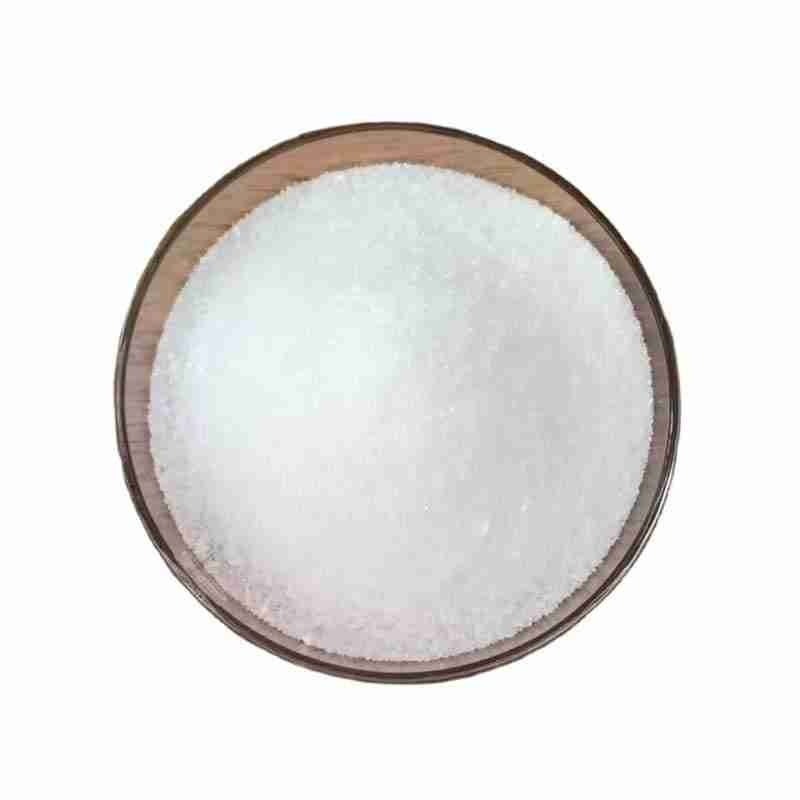
Hydrocoumarin CAS# 119-84-6

Hydrocoumarin CAS# 119-84-6

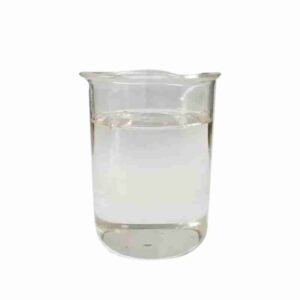
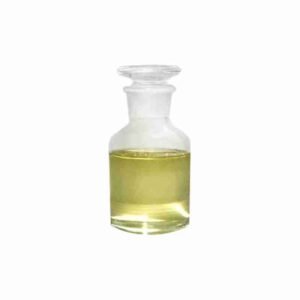
Dihydrocoumarin is also known as 1,2-benzodihydropyranone, Tonkamel, and Melilotine. Natural products exist in Melilotus officinalis. It has a coumarin-like aroma at room temperature and a nitrobenzene smell at high temperatures. It has a spicy taste. It is a colorless or light yellow viscous liquid, or leaf-shaped crystals. Relative molecular weight 148.17. Relative density 1.169 (18??C). Melting point 25??C. Boiling point 272??C, 145??C (2.400??103Pa). Refractive index 1.5563. Flash point 130??C. It is slightly soluble in water, soluble in ethanol and ether, and easily soluble in chloroform. Vapor irritates the skin, eyes and respiratory tract. The oral LD50 of rats is 1460mg/kg.

Quality Certified
Technical Support
Custom R&D

Product Details

Dihydrocoumarin is also known as 1,2-benzodihydropyranone, Tonkamel, and Melilotine. Natural products exist in Melilotus officinalis. It has a coumarin-like aroma at room temperature and a nitrobenzene smell at high temperatures. It has a spicy taste. It is a colorless or light yellow viscous liquid, or leaf-shaped crystals. Relative molecular weight 148.17. Relative density 1.169 (18??C). Melting point 25??C. Boiling point 272??C, 145??C (2.400??103Pa). Refractive index 1.5563. Flash point 130??C. It is slightly soluble in water, soluble in ethanol and ether, and easily soluble in chloroform. Vapor irritates the skin, eyes and respiratory tract. The oral LD50 of rats is 1460mg/kg.

Description

Hydrocoumarin CAS# 119-84-6

Dihydrocoumarin Basic information
Description?Sources
Product Name: Dihydrocoumarin
Synonyms: AKOS 222-08;Hydrocoumarin,6-methyl-4phenyl-3,4dihydro-6-methyl-4-phenyl-2h-benzopyran-2-one;Dihydrocoumarin 1g [119-84-6];Dihydrocoumarin,3,4-Dihydro-1-benzopyran-2-one, Benzodihydropyrone, Hydrocoumarin;DIHYDROCOUMARIN,3,4-(RG);3,4-dihydrobenzopyran-2-one;DIHYDROCOUMARIN FOR SYNTHESIS;DihydrocouMarin 99%
CAS: 119-84-6
MF: C9H8O2
MW: 148.16
EINECS: 204-354-9
Product Categories: Coumarins
Mol File: 119-84-6.mol
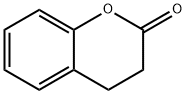
Dihydrocoumarin Structure
Dihydrocoumarin Chemical Properties
Melting point 24-25 ??C (lit.)
Boiling point 272 ??C (lit.)
density 1.169 g/mL at 25 ??C (lit.)
vapor pressure 13.6kPa at 20??
refractive index n20/D?1.556(lit.)
FEMA 2381 | DIHYDROCOUMARIN
Fp >230???F
storage temp. Sealed in dry,2-8??C
solubility Chloroform, Methanol (Sparingly)
form Solid
Specific Gravity 1.169
color Colourless to Off-White
Odor at 10.00 % in dipropylene glycol. sweet tonka coumarinic coconut herbal cinnamon balsamic
Odor Type tonka
Water Solubility insoluble
JECFA Number 1171
BRN 4584
LogP 1.82 at 25??
CAS DataBase Reference 119-84-6(CAS DataBase Reference)
NIST Chemistry Reference 2H-1-Benzopyran-2-one, 3,4-dihydro-(119-84-6)
EPA Substance Registry System 3,4-Dihydrocoumarin (119-84-6)
Safety Information
Hazard Codes Xn
Risk Statements 22-36/37/38
Safety Statements 26-36
WGK Germany 3
RTECS MW5775000
TSCA Yes
HS Code 29322980
Hazardous Substances Data 119-84-6(Hazardous Substances Data)
toxicity The acute oral LD50?value in rats was reported as 1.65 g/kg (1.47-1.83 g/ kg) (Moreno, 1972a). The acute dermal LD50?value in rabbits was reported as > 5 g/kg (Moreno, 1972b).
Industry Solutions

Designed for Modern Chemical Industry

Meeting the demands of dual-carbon goals with green, efficient new material solutions.

โš—๏ธ

New Catalysts

High-performance catalysts for energy-efficient chemical processes

๐ŸŒฑ

Eco-friendly Materials

Bio-based and biodegradable materials for sustainable manufacturing

๐Ÿ”ฉ

Special Polymers

High-performance polymers for demanding industrial applications

๐Ÿค

Custom R&D

Collaborative development from concept to commercial production

Our Cooperation Process

From your initial inquiry to long-term technical partnership -- a transparent, efficient workflow.

๐Ÿ“‹
01 Submit Requirement
๐Ÿ”
02 Technical Evaluation
๐Ÿงช
03 Sample Testing
โš™๏ธ
04 Formula Optimization
๐Ÿญ
05 Trial Production
๐Ÿš€
06 Mass Delivery & Support

Request a Quote

Tell us your requirements and our technical team will respond within 24 hours.

By submitting, you agree to our privacy policy.

Related Products

Daily Chemicals

Lactobionic Acid CAS# 96-82-2

Lactobionic acid (C12H22O12) is a disaccharide obtained from the oxidation of lactose. Chemically, Lactobionic acid is made up of a galactose moiety that is bonded to a gluconic acid molecule through an ether-like bond. The compound can be dehydrated to a lactone. Lactobionic acid is widely used in the chemical, food and pharmaceutical industries due to its chelating, emulsifying, humectant and chelating properties. Lactobionic acid and its constituent salts are essential as food additives due to excellent solubility, good taste, and health-promoting aspects. The compound may also be essential in the synthesis of targetable and biocompatible drug delivery systems.  

View Details
Daily Chemicals

Climbazole CAS#38083-17-9

Climbazole is an efficacious antifungal agent widely utilized in pharmaceutical formulations for treating seborrheic dermatitis and dandruff. Its targeted action against fungal proliferation makes it an essential component in dermatological care products.

View Details
Petroleum Additives

Benzothiazole CAS#95-16-9

Benzothiazoles are a class of chemical compounds characterized by a fused benzene and thiazole ring. They exhibit a broad spectrum of applications, particularly as antioxidants in rubber and plastic industries, enhancing product longevity and performance. Additionally, benzothiazoles serve as key intermediates in the synthesis of pharmaceuticals, contributing to the development of life-saving drugs. Recognized for their stability and reactivity, these compounds are integral to advancing material science and healthcare solutions.

View Details