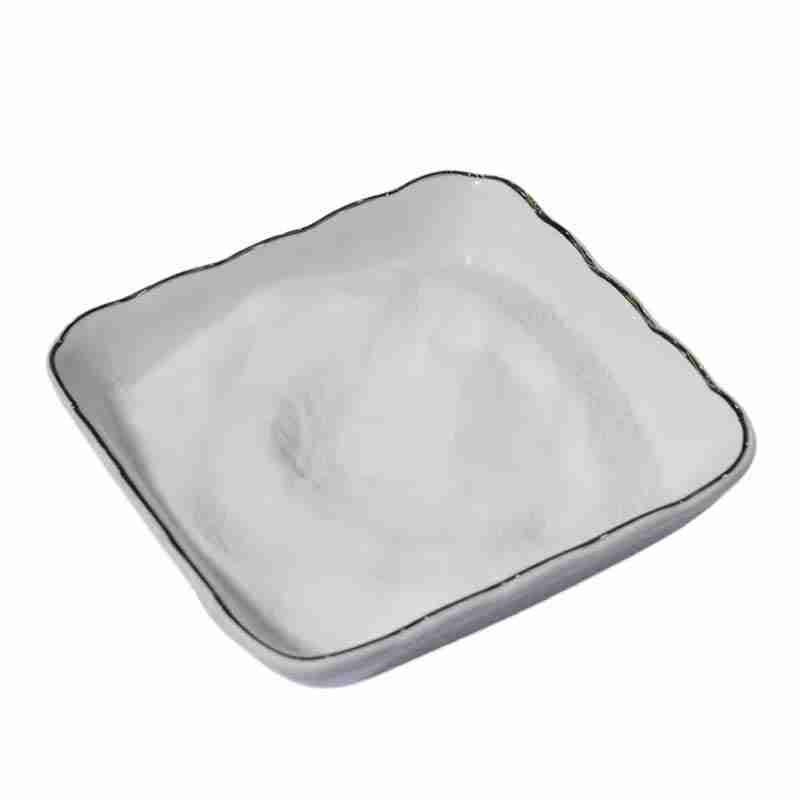
Lactobionic Acid CAS# 96-82-2

Lactobionic Acid CAS# 96-82-2

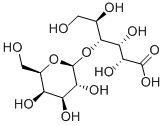
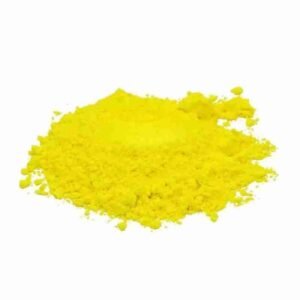
Lactobionic acid (C12H22O12) is a disaccharide obtained from the oxidation of lactose. Chemically, Lactobionic acid is made up of a galactose moiety that is bonded to a gluconic acid molecule through an ether-like bond. The compound can be dehydrated to a lactone. Lactobionic acid is widely used in the chemical, food and pharmaceutical industries due to its chelating, emulsifying, humectant and chelating properties. Lactobionic acid and its constituent salts are essential as food additives due to excellent solubility, good taste, and health-promoting aspects. The compound may also be essential in the synthesis of targetable and biocompatible drug delivery systems.  

Quality Certified
Technical Support
Custom R&D

Product Details

Lactobionic acid (C12H22O12) is a disaccharide obtained from the oxidation of lactose. Chemically, Lactobionic acid is made up of a galactose moiety that is bonded to a gluconic acid molecule through an ether-like bond. The compound can be dehydrated to a lactone. Lactobionic acid is widely used in the chemical, food and pharmaceutical industries due to its chelating, emulsifying, humectant and chelating properties. Lactobionic acid and its constituent salts are essential as food additives due to excellent solubility, good taste, and health-promoting aspects. The compound may also be essential in the synthesis of targetable and biocompatible drug delivery systems.


Description

Lactobionic Acid CAS# 96-82-2

Lactobionic acid Basic information
Description?Properties?Preparation?Extraction and Purification?Physiological & Commercial Applications
Product Name: Lactobionic acid
Synonyms: 4-O-BETA-D-GALACTOPYRANOSYL-D-GLUCONIC ACID;LACTOBIONIC ACID;4-O-??-D-Galactopyranosyl-D-gluconic acid;LACTOBIONIC ACID FREE ACID;LACTOBIONIC ACID 97%;4-[??-D-Galactosido]-D-gluconic acid;Lactobionic Acid (mixture of Acid form and Lactone form);D-Gluconic acid, 4-O-.beta.-D-galactopyranosyl-
CAS: 96-82-2
MF: C12H22O12
MW: 358.3
EINECS: 202-538-3
Product Categories: Biochemistry;Disaccharides;Sugar Acids;Sugars;96-82-2
Mol File: 96-82-2.mol
Lactobionic acid Structure
Lactobionic acid Chemical Properties
Melting point 113-118???C(lit.)
alpha 22.8 o (c=10, H2O)
Boiling point 410.75??C (rough estimate)
density 1.4662 (rough estimate)
refractive index 26 ?? (C=8.8, H2O)
storage temp. Inert atmosphere,Room Temperature
solubility 10 g/100 mL
pka 3.28??0.35(Predicted)
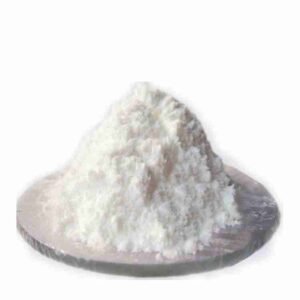
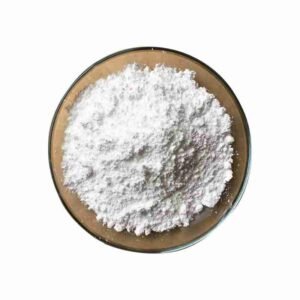
form Powder
color White to Off-white
optical activity [??]20/D +25??, c = 10 in H2O
Water Solubility 10 g/100 mL
Merck 5342
BRN 95054
LogP -3.848 (est)
CAS DataBase Reference 96-82-2(CAS DataBase Reference)
Safety Information
Hazard Codes Xi
Risk Statements 36/37/38
Safety Statements 24/25-36-26
WGK Germany 1
HS Code 29400000
Industry Solutions

Designed for Modern Chemical Industry

Meeting the demands of dual-carbon goals with green, efficient new material solutions.

โš—๏ธ

New Catalysts

High-performance catalysts for energy-efficient chemical processes

๐ŸŒฑ

Eco-friendly Materials

Bio-based and biodegradable materials for sustainable manufacturing

๐Ÿ”ฉ

Special Polymers

High-performance polymers for demanding industrial applications

๐Ÿค

Custom R&D

Collaborative development from concept to commercial production

Our Cooperation Process

From your initial inquiry to long-term technical partnership -- a transparent, efficient workflow.

๐Ÿ“‹
01 Submit Requirement
๐Ÿ”
02 Technical Evaluation
๐Ÿงช
03 Sample Testing
โš™๏ธ
04 Formula Optimization
๐Ÿญ
05 Trial Production
๐Ÿš€
06 Mass Delivery & Support

Request a Quote

Tell us your requirements and our technical team will respond within 24 hours.

By submitting, you agree to our privacy policy.

Related Products

Daily Chemicals

Octyl 4-methoxycinnamate CAS#5466-77-3

Octyl 4-methoxycinnamate, scientifically known as 2-Ethylhexyl 4-Methoxycinnamate, is a highly effective organic UV filter commonly used in the formulation of sunscreens and cosmetic products. This compound is renowned for its ability to absorb ultraviolet B (UVB) radiation, providing a reliable defense against the sun's harmful effects on the skin. Characterized by its chemical formula C19H28O3, Octyl 4-methoxycinnamate is a liquid ester that is readily soluble in organic solvents. It is valued for its photostability, which means it maintains its protective properties even after prolonged exposure to sunlight. This feature makes it an ideal ingredient for products designed to offer long-lasting sun protection. In addition to its UVB absorption capabilities, Octyl 4-methoxycinnamate is also appreciated for its compatibility with other UV filters, allowing for the creation of broad-spectrum sunscreens. It contributes to the development of formulations that are non-greasy and cosmetically elegant, suitable for a variety of skin types. <p class="last-node">As a key component in sun care products, Octyl 4-methoxycinnamate supports the skin's health by preventing sunburn, reducing the risk of skin cancer, and delaying the signs of photoaging. Its safety profile and efficacy make it a preferred choice in the personal care and dermatological industries for sun protection solutions.</p>

View Details
Ploymers

Benzyl alcohol CAS#100-51-6

Benzyl alcohol is an aromatic alcohol with the chemical formula ( C_7H_8O ). It is a colorless liquid known for its distinctive floral odor and is used as a fragrance component in cosmetics and perfumes. Additionally, it serves as a solvent in the pharmaceutical industry and as a preservative in various products due to its antimicrobial properties.

View Details
Ploymers

Silicon dioxide CAS#7631-86-9

Silicon dioxide, commonly known as silica, is a naturally occurring compound found in quartz and sand. It is a primary component of most rocks and is widely used in various industries due to its high thermal stability, chemical inertness, and optical clarity. In chemical applications, it is valued for its abrasive, refractory, and adsorptive properties, making it essential in products like glass, ceramics, and electronics.

View Details