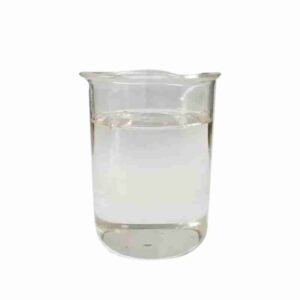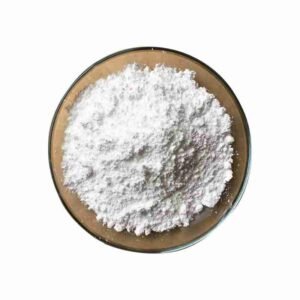
hexyl D-glucoside CAS#54549-24-5

hexyl D-glucoside CAS#54549-24-5

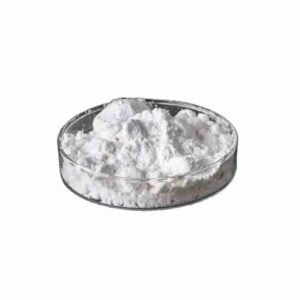
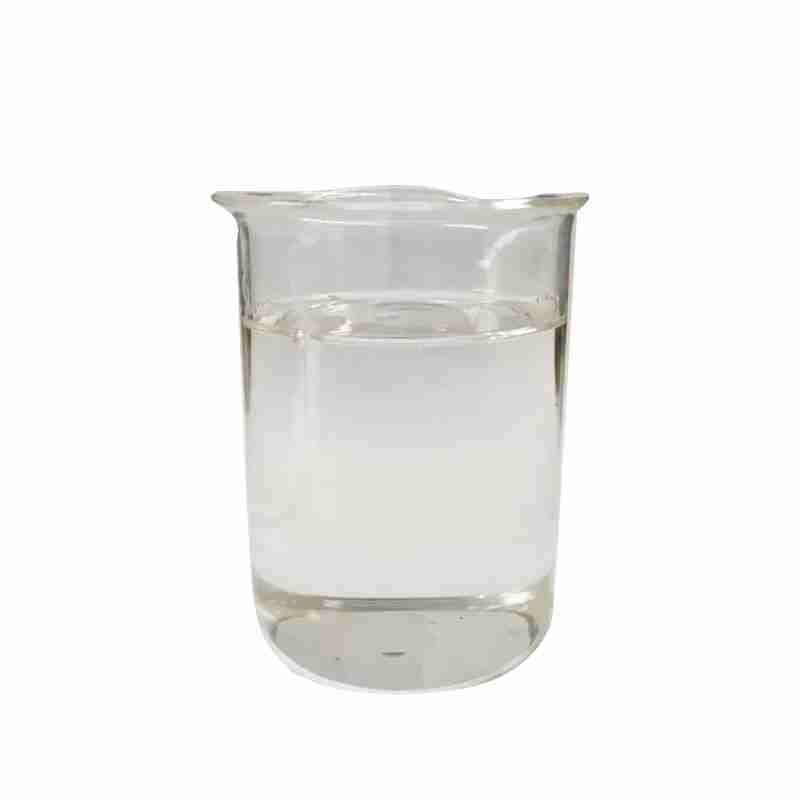
Hexyl D-glucoside is a non-ionic, plant-based surfactant derived from renewable resources such as corn or potato starch. It is recognized for its excellent skin compatibility and mildness, making it a preferred choice for formulations in personal care products, especially those targeting sensitive skin. With its superior solubilizing and foaming capabilities, it enhances the sensory experience of the product without compromising its gentleness. Its eco-friendly profile and biodegradability also align with green chemistry principles, appealing to consumers seeking sustainable product options.

Quality Certified
Technical Support
Custom R&D

Product Details

Hexyl D-glucoside is a non-ionic, plant-based surfactant derived from renewable resources such as corn or potato starch. It is recognized for its excellent skin compatibility and mildness, making it a preferred choice for formulations in personal care products, especially those targeting sensitive skin. With its superior solubilizing and foaming capabilities, it enhances the sensory experience of the product without compromising its gentleness. Its eco-friendly profile and biodegradability also align with green chemistry principles, appealing to consumers seeking sustainable product options.

Description

hexyl D-glucoside Chemical Properties
Boiling point 432.3??45.0 ??C(Predicted)
density 1.23??0.1 g/cm3(Predicted)
vapor pressure 0.001Pa at 20??
pka 12.96??0.70(Predicted)
Water Solubility 750g/L at 20??
LogP 1.72 at 20??
EPA Substance Registry System D-Glucopyranoside, hexyl (54549-24-5)
Industry Solutions

Designed for Modern Chemical Industry

Meeting the demands of dual-carbon goals with green, efficient new material solutions.

โš—๏ธ

New Catalysts

High-performance catalysts for energy-efficient chemical processes

๐ŸŒฑ

Eco-friendly Materials

Bio-based and biodegradable materials for sustainable manufacturing

๐Ÿ”ฉ

Special Polymers

High-performance polymers for demanding industrial applications

๐Ÿค

Custom R&D

Collaborative development from concept to commercial production

Our Cooperation Process

From your initial inquiry to long-term technical partnership -- a transparent, efficient workflow.

๐Ÿ“‹
01 Submit Requirement
๐Ÿ”
02 Technical Evaluation
๐Ÿงช
03 Sample Testing
โš™๏ธ
04 Formula Optimization
๐Ÿญ
05 Trial Production
๐Ÿš€
06 Mass Delivery & Support

Request a Quote

Tell us your requirements and our technical team will respond within 24 hours.

By submitting, you agree to our privacy policy.

Related Products

Daily Chemicals

N,N-Diethyl-m-toluamide CAS#134-62-3

N,N-Diethyl-m-toluamide, commonly known as DEET, is a widely recognized synthetic compound that serves as the active ingredient in numerous insect repellent products. DEET is characterized by its efficacy in deterring and repelling a variety of insects, including mosquitoes, ticks, and flies, which are known vectors for diseases such as malaria, Lyme disease, and Zika virus. Chemically, DEET is an amide with the molecular formula C12H19NO. It was first developed in 1946 and has since become the benchmark against which other insect repellents are measured. DEET works by targeting the olfactory receptors of insects, masking the scent of humans and animals, which are typically attractive to these pests. This compound is valued for its long-lasting protection and stability under various environmental conditions. It is available in various formulations, including sprays, lotions, and creams, and can be applied topically to skin or clothing. DEET is also known for its compatibility with other active ingredients, allowing for the development of multi-purpose products. <p class="last-node">In summary, DEET is a reliable and effective insect repellent, widely used for its ability to provide durable protection against disease-carrying insects. Its chemical properties and formulation flexibility make it a staple in the field of personal insect protection.</p>

View Details
Daily Chemicals

Octocrylene CAS#6197-30-4

Octocrylene is an organic compound widely recognized for its potent UV-filtering properties, making it an essential ingredient in sunscreens and other skincare products designed to protect the skin from harmful ultraviolet radiation. With the chemical name 2-(4-Methylbenzyl)-2H-benzotriazole-5-methyl, octocrylene is a stable and photostable molecule that provides broad-spectrum protection against both UVA and UVB rays. This oil-soluble chemical is valued for its ability to absorb UV radiation effectively, converting it into heat without causing skin irritation or staining clothes. Octocrylene is often used in combination with other UV filters to enhance the sun protection factor (SPF) of formulations, ensuring a balanced and comprehensive defense against sun damage. As a lipophilic compound, octocrylene is compatible with various cosmetic and dermatological formulations, contributing to the development of lightweight, non-greasy sunscreens. Its chemical structure allows for a high degree of safety and efficacy, making it suitable for a wide range of skin types, including sensitive skin. <p class="last-node">In summary, octocrylene is a reliable and efficient UV filter, pivotal in the formulation of modern sunscreens that offer advanced protection against the sun's harmful effects while maintaining skin comfort and product aesthetics.</p>

View Details
Daily Chemicals

Sodium Isethionate CAS#1562-00-1

Sodium 2-hydroxyethyl sulfonate (also known as sodium hydroxyethyl sulfonate) is a sodium salt of 2-hydroxyethanesulfonic acid (hydroxyethyl sulfonate), which is used as a hydrophilic head group in detergent active surfactants. Due to its strong polarity and resistance to multivalent ions, it is called hydroxyethyl sulfonate (acyloxyethanesulfonate). It is being studied as a high-yield chemical in the High Production (HPV) Chemical Challenge Program of the US Environmental Protection Agency (EPA). Solid sodium 2-hydroxyethyl sulfonate is a colorless, free flowing, non hygroscopic solid that is easily soluble in water and has good biodegradability. Due to the synthesis method, the sample usually contains trace amounts of sodium sulfite or sodium bisulfite, resulting in a pH value of about 10 in the aqueous solution, which is weakly alkaline.

View Details