N,N-Diethyl-m-toluamide CAS#134-62-3

N,N-Diethyl-m-toluamide CAS#134-62-3

N,N-Diethyl-m-toluamide, commonly known as DEET, is a widely recognized synthetic compound that serves as the active ingredient in numerous insect repellent products. DEET is characterized by its efficacy in deterring and repelling a variety of insects, including mosquitoes, ticks, and flies, which are known vectors for diseases such as malaria, Lyme disease, and Zika virus. Chemically, DEET is an amide with the molecular formula C12H19NO. It was first developed in 1946 and has since become the benchmark against which other insect repellents are measured. DEET works by targeting the olfactory receptors of insects, masking the scent of humans and animals, which are typically attractive to these pests. This compound is valued for its long-lasting protection and stability under various environmental conditions. It is available in various formulations, including sprays, lotions, and creams, and can be applied topically to skin or clothing. DEET is also known for its compatibility with other active ingredients, allowing for the development of multi-purpose products. <p class="last-node">In summary, DEET is a reliable and effective insect repellent, widely used for its ability to provide durable protection against disease-carrying insects. Its chemical properties and formulation flexibility make it a staple in the field of personal insect protection.</p>

Quality Certified
Technical Support
Custom R&D

Product Details

N,N-Diethyl-m-toluamide, commonly known as DEET, is a widely recognized synthetic compound that serves as the active ingredient in numerous insect repellent products. DEET is characterized by its efficacy in deterring and repelling a variety of insects, including mosquitoes, ticks, and flies, which are known vectors for diseases such as malaria, Lyme disease, and Zika virus.

Chemically, DEET is an amide with the molecular formula C12H19NO. It was first developed in 1946 and has since become the benchmark against which other insect repellents are measured. DEET works by targeting the olfactory receptors of insects, masking the scent of humans and animals, which are typically attractive to these pests.

This compound is valued for its long-lasting protection and stability under various environmental conditions. It is available in various formulations, including sprays, lotions, and creams, and can be applied topically to skin or clothing. DEET is also known for its compatibility with other active ingredients, allowing for the development of multi-purpose products.

In summary, DEET is a reliable and effective insect repellent, widely used for its ability to provide durable protection against disease-carrying insects. Its chemical properties and formulation flexibility make it a staple in the field of personal insect protection.

Description

N,N-Diethyl-m-toluamide Chemical Properties
Melting point -45 ??C
Boiling point 111???C1?mm Hg
density 0.998?g/mL?at 20???C(lit.)
vapor density 6.7 (vs air)
vapor pressure <0.01 mm Hg ( 25 ??C)
refractive index n20/D 1.523(lit.)
Fp >230???F
storage temp. room temp
solubility DMSO (Slightly), Ethyl Acetate (Slightly), Methanol (Slightly)
pka -1.37??0.70(Predicted)
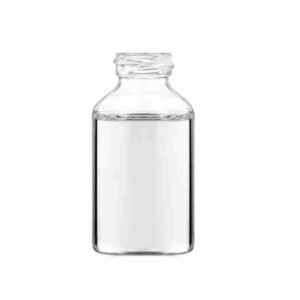
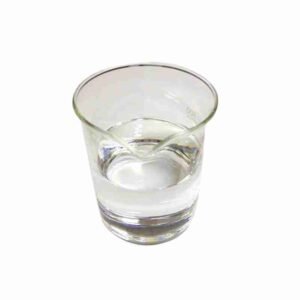
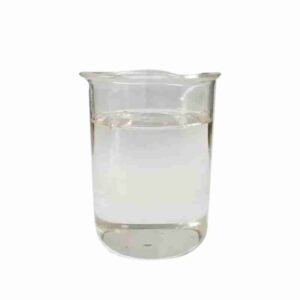
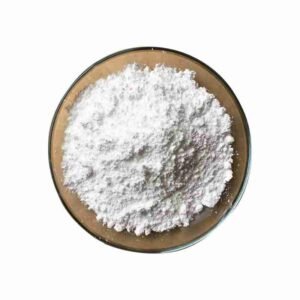
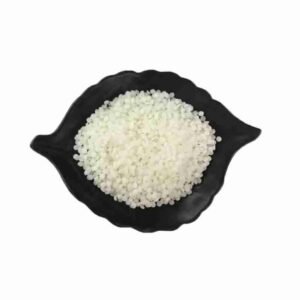
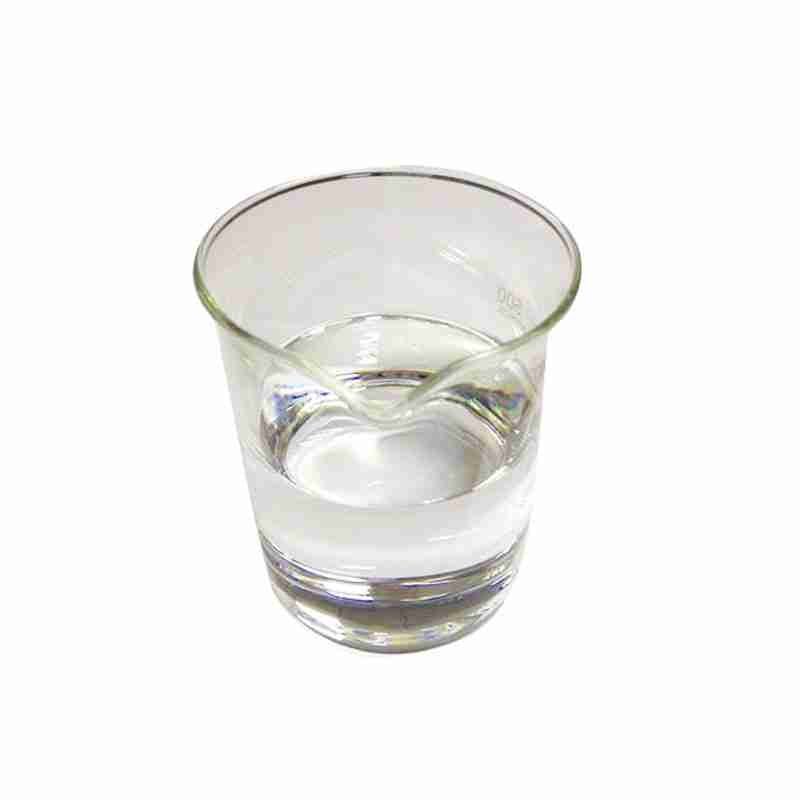
form Liquid
color Clear
Specific Gravity 0.996
Odor mild bland odor
Water Solubility NEGLIGIBLE
Merck 14,2856
BRN 2046711
Stability: Stable. Combustible. Incompatible with strong oxidizing agents, strong acids, strong bases. Hydrolyzes slowly in water.
InChIKey CXVBTGKUSLNJQZ-UHFFFAOYSA-N
CAS DataBase Reference 134-62-3(CAS DataBase Reference)
NIST Chemistry Reference Diethyltoluamide(134-62-3)
EPA Substance Registry System N,N-Diethyl-m-toluamide (134-62-3)
Safety Information
Hazard Codes Xn
Risk Statements 22-36/38-52/53
Safety Statements 61
RIDADR 2810
WGK Germany 2
RTECS XS3675000
TSCA Yes
HazardClass 6.1(b)
PackingGroup III
HS Code 29242995
Hazardous Substances Data 134-62-3(Hazardous Substances Data)
Toxicity LD50 orally in male rats (ml/kg): 2.43; in female rats: 1.78; dermally in rabbits: 3.18; LC50 by inhalation in rats (mg/l): 5.95 (U.S. EPA)
Industry Solutions

Designed for Modern Chemical Industry

Meeting the demands of dual-carbon goals with green, efficient new material solutions.

โš—๏ธ

New Catalysts

High-performance catalysts for energy-efficient chemical processes

๐ŸŒฑ

Eco-friendly Materials

Bio-based and biodegradable materials for sustainable manufacturing

๐Ÿ”ฉ

Special Polymers

High-performance polymers for demanding industrial applications

๐Ÿค

Custom R&D

Collaborative development from concept to commercial production

Our Cooperation Process

From your initial inquiry to long-term technical partnership -- a transparent, efficient workflow.

๐Ÿ“‹
01 Submit Requirement
๐Ÿ”
02 Technical Evaluation
๐Ÿงช
03 Sample Testing
โš™๏ธ
04 Formula Optimization
๐Ÿญ
05 Trial Production
๐Ÿš€
06 Mass Delivery & Support

Request a Quote

Tell us your requirements and our technical team will respond within 24 hours.

By submitting, you agree to our privacy policy.

Related Products

Daily Chemicals

Ethyl 2-cyano-3,3-diphenylacrylate CAS#5232-99-5

Ethyl 2-cyano-3,3-diphenylacrylate is a key synthetic intermediate in the pharmaceutical and agrochemical industries. This compound, with its reactive cyanoacrylate structure, offers unique opportunities for chemical synthesis, providing a robust platform for the development of innovative products.

View Details
Ploymers

WANG RESIN CAS#201058-08-4

Wang Resin is a versatile support for solid-phase peptide synthesis, offering chemical stability and high cross-linking. It features a microporous structure for efficient reactant diffusion, making it ideal for immobilizing acids and phenols. Its moderate acid stability ensures easy cleavage with TFA, facilitating the synthesis of peptides with a free carboxyl group at the C-terminus.

View Details
Daily Chemicals

Isothiazolinones CAS#26172-55-4

Isothiazolinones are a class of broad-spectrum, highly effective fungicides and biocides, composed of 5-chloro-2-methyl-4-thiazoline-3-one (CMI) and 2-methyl-4-thiazoline-3-one (MI). These compounds are recognized for their rapid action against microbes, inhibiting their growth upon contact and leading to cell death <span class="ragTag___IXxub"><span class="refIndex___iN7ZN ragIndex___HYxyx">9</span></span>. They are characterized by high biocidal efficiency, good degradation, no residual, safe operation, compatibility, stabilization, and low operational costs <span class="ragTag___IXxub"><span class="refIndex___iN7ZN ragIndex___HYxyx">9</span></span>. Isothiazolinones are used in various industrial applications, including cooling water systems and wastewater treatment in fields such as oil, papermaking, pesticides, cutting oils, leather, detergents, and cosmetics. They are compatible with chlorine and most cationic, anionic, and non-ionic surfactants, and at higher dosages, they exhibit excellent bio-sludge stripping effects <span class="ragTag___IXxub"><span class="refIndex___iN7ZN ragIndex___HYxyx">9</span></span>. <p class="last-node">The active content in Isothiazolinones-based products typically ranges from 1.5% to 15%, with a pH value between 1.0 and 5.0, depending on the grade. They are available in various forms such as transparent liquids and are packaged in quantities that can be tailored to specific industrial needs <span class="ragTag___IXxub"><span class="refIndex___iN7ZN ragIndex___HYxyx">10</span></span>. Safety precautions are essential when handling Isothiazolinones due to their corrosive nature; they should not come into contact with skin or eyes, and protective equipment is recommended during use</p>

View Details