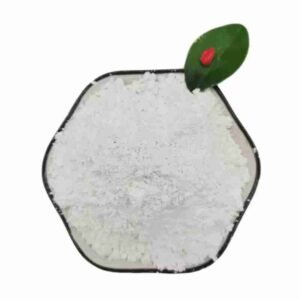
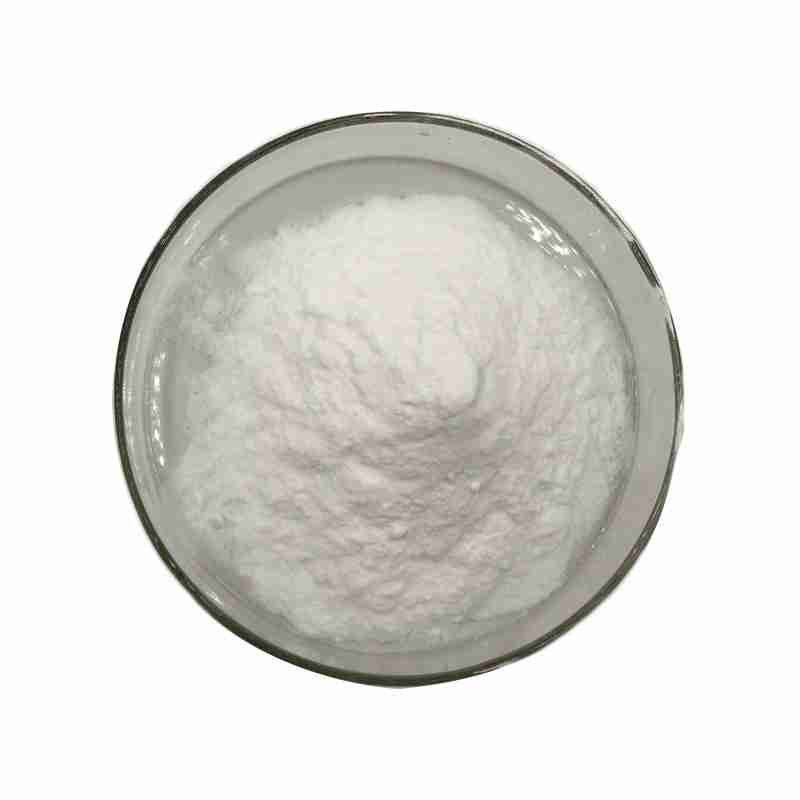
Succinimide CAS#123-56-8

Succinimide CAS#123-56-8

Succinimide is a heterocyclic organic compound and an important industrial chemical. It serves as a key intermediate in the synthesis of various pharmaceuticals, agrochemicals, and other specialty chemicals. Known for its reactivity and versatility, succinimide is widely used in the production of succinic anhydride, a precursor to many polymers and plasticizers, highlighting its significance in the chemical industry.

Quality Certified
Technical Support
Custom R&D

Product Details

Succinimide is a heterocyclic organic compound and an important industrial chemical. It serves as a key intermediate in the synthesis of various pharmaceuticals, agrochemicals, and other specialty chemicals. Known for its reactivity and versatility, succinimide is widely used in the production of succinic anhydride, a precursor to many polymers and plasticizers, highlighting its significance in the chemical industry.

Description

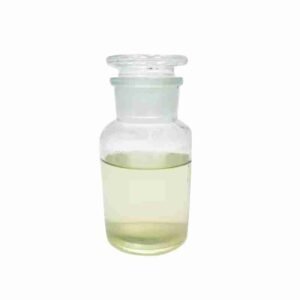
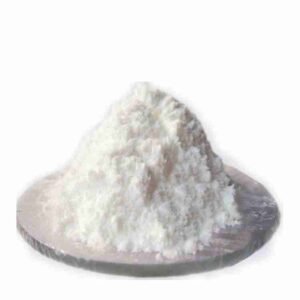
Succinimide CAS#123-56-8

Succinimide Chemical Properties
Melting point 123-125 ??C (lit.)
Boiling point 285-290 ??C (lit.)
density 1.41
vapor pressure <1 hPa (50 ??C)
refractive index 1.4166 (estimate)
Fp 201 ??C
storage temp. Store below +30??C.
solubility 330g/l
pka 9.6(at 25??)
form Powder or Flakes
color Off-white to beige to light brown
PH 4-6 (200g/l, H2O)
Odor nearly odorless
Water Solubility Soluble in water and ethanol. Insoluble in ether and chloroform.
Merck 14,8871
BRN 108440
InChIKey KZNICNPSHKQLFF-UHFFFAOYSA-N
LogP -0.85 at 20??
CAS DataBase Reference 123-56-8(CAS DataBase Reference)
NIST Chemistry Reference 2,5-Pyrrolidinedione(123-56-8)
EPA Substance Registry System Succinimide (123-56-8)
Safety Information
Hazard Codes Xi
Risk Statements 36/37/38
Safety Statements 22-24/25-36-26-S24/25
WGK Germany 2
RTECS WN2200000
TSCA Yes
HS Code 29251995
Toxicity LD50 orally in rats: 14 g/kg (Melon)
Industry Solutions

Designed for Modern Chemical Industry

Meeting the demands of dual-carbon goals with green, efficient new material solutions.

โš—๏ธ

New Catalysts

High-performance catalysts for energy-efficient chemical processes

๐ŸŒฑ

Eco-friendly Materials

Bio-based and biodegradable materials for sustainable manufacturing

๐Ÿ”ฉ

Special Polymers

High-performance polymers for demanding industrial applications

๐Ÿค

Custom R&D

Collaborative development from concept to commercial production

Our Cooperation Process

From your initial inquiry to long-term technical partnership -- a transparent, efficient workflow.

๐Ÿ“‹
01 Submit Requirement
๐Ÿ”
02 Technical Evaluation
๐Ÿงช
03 Sample Testing
โš™๏ธ
04 Formula Optimization
๐Ÿญ
05 Trial Production
๐Ÿš€
06 Mass Delivery & Support

Request a Quote

Tell us your requirements and our technical team will respond within 24 hours.

By submitting, you agree to our privacy policy.

Related Products

Chemical Minerals

KAOLIN CAS#52624-41-6

Kaolin, also known as china clay, is a naturally occurring hydrated aluminum silicate mineral. It is a soft, white, plastic clay that is widely used in ceramics, papermaking, and as a pigment in paints, coatings, and plastics. Kaolin is valued for its fine particle size, purity, and ability to improve the brightness and opacity of materials. Its inert nature and high refractive index make it ideal for various industrial applications, including cosmetics and pharmaceuticals.

View Details
Daily Chemicals

Polyhexamethyleneguanidine hydrochloride CAS#57028-96-3

Polyhexamethylene guanidine hydrochloride, often abbreviated as PHMG-HCl, is a high molecular weight polymeric biguanide compound known for its potent antimicrobial properties. With a chemical structure that features a long chain of methylene groups bridged by guanidine units, PHMG-HCl is effective against a broad spectrum of microorganisms, including bacteria, viruses, and fungi. This hydrochloride salt form of PHMG is highly soluble in water and is commonly used in various applications due to its non-irritant and non-toxic nature to human skin and mucous membranes. It is widely recognized for its ability to form a colorless and odorless solution, making it an ideal choice for use in personal care products, medical disinfectants, and water treatment processes. The versatility of PHMG-HCl lies in its cationic nature, which allows it to bind to negatively charged microbial cell walls, disrupting their integrity and leading to cell death. This mechanism of action contributes to its effectiveness as a preservative and disinfectant. Moreover, its substantivity, or the ability to adhere to surfaces, enhances its long-lasting antimicrobial activity. <p class="last-node">In summary, Polyhexamethylene guanidine hydrochloride is a reliable and efficient antimicrobial agent, pivotal in industries where hygiene and cleanliness are paramount, offering a safe and sustainable solution for microbial control.</p>

View Details
Daily Chemicals

Idebenone CAS 58186-27-9

Idebenone is an organic compound with the chemical name: 6-(10-hydroxydecyl)-2,3-dimethoxy-5-methyl-1,4-benzoquinone. It is a structural analogue of coenzyme Q10 and is developed by Takeda Pharmaceuticals as a drug for the treatment of cognitive diseases such as Alzheimer??s disease. Idebenone has an activating effect on mitochondrial function, improves brain metabolism and brain dysfunction, and can increase the utilization rate of glucose in the brain and promote the generation of ATP; it improves the metabolism of the neurotransmitter 5-hydroxytryptamine in the brain and has a strong antioxidant and free radical scavenging effect. In clinical practice, it is mainly used to treat many central nervous system degenerative diseases related to oxidative stress, such as Parkinson??s disease, Alzheimer??s disease, multi-infarct dementia, local cerebral anemia and brain failure, etc. It is also used to treat Friedreich??s ataxia. It can also be used in cosmetic formulas, with cosmetic efficacy such as scavenging free radicals, inhibiting lipid peroxidation, inhibiting inflammation, inhibiting DNA damage, light protection, and reducing pigmentation.

View Details