Poly(vinyl alcohol) CAS#9002-89-5

Poly(vinyl alcohol) CAS#9002-89-5

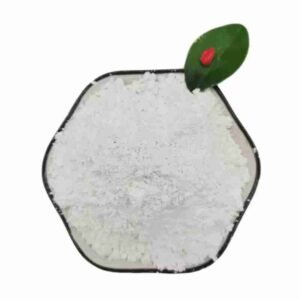
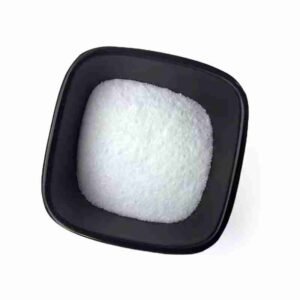
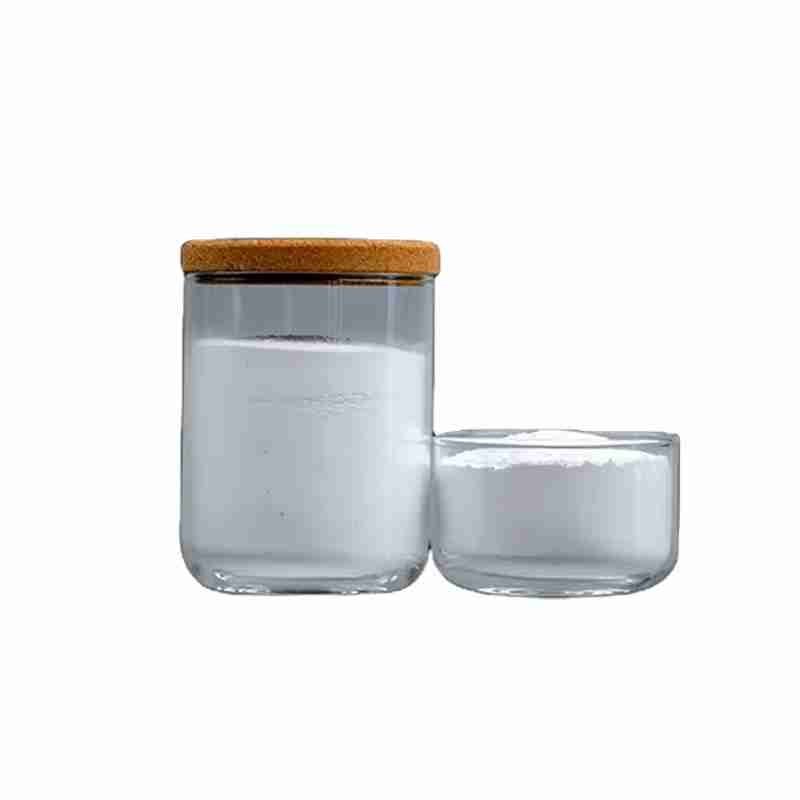
Poly(vinyl alcohol) (PVA) is a water-soluble synthetic polymer derived from the hydrolysis of poly(vinyl acetate). It is renowned for its film-forming properties, biocompatibility, and high tensile strength. PVA is extensively used in the production of textiles, paper, and adhesives due to its excellent adhesive and emulsifying characteristics. Its water solubility and biodegradability make it a preferred material in various industrial applications, including packaging films and medical devices.

Quality Certified
Technical Support
Custom R&D

Product Details

Poly(vinyl alcohol) (PVA) is a water-soluble synthetic polymer derived from the hydrolysis of poly(vinyl acetate). It is renowned for its film-forming properties, biocompatibility, and high tensile strength. PVA is extensively used in the production of textiles, paper, and adhesives due to its excellent adhesive and emulsifying characteristics. Its water solubility and biodegradability make it a preferred material in various industrial applications, including packaging films and medical devices.

Category:

Description

Poly(vinyl alcohol) CAS#9002-89-5

Poly(vinyl alcohol) Chemical Properties
Melting point >300???C
Boiling point -14.5??C (rough estimate)
density 1.080 g/cm3
Tg 73
Tg 99
Tg 99??C
refractive index 1.3810 (estimate)
Fp 79??C
storage temp. Store below +30??C.
solubility H2O: soluble (hot)
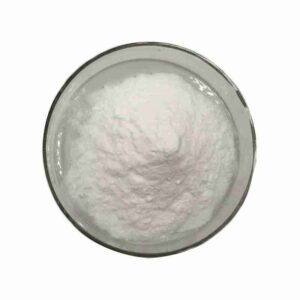
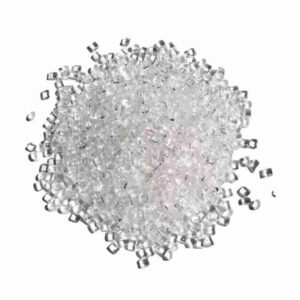
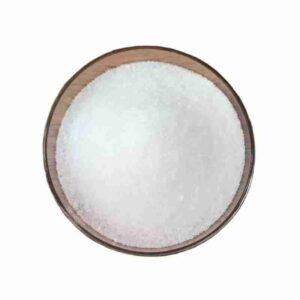
form Powder
color White to cream
Odor at 100.00?%. odorless
PH 3.5-7.0 (40g/l, H2O, 20??)
Water Solubility soluble in hot water
Merck 14,7585
Dielectric constant 1.9??Ambient??
Stability: Stable. Combustible. Dust may form explosive mixtures with air. Incompatible with strong oxidizing agents.
NIST Chemistry Reference Polyvinyl alcohol(9002-89-5)
IARC 3 (Vol. 19, Sup 7) 1987
EPA Substance Registry System Polyvinyl alcohol (9002-89-5)
Safety Information
Hazard Codes Xn
Risk Statements 23/24/25-36/38-39/23/24/25-68/20/21/22-20/21/22
Safety Statements 26-36/37-45-24/25
WGK Germany 1
RTECS TR8100000
Autoignition Temperature 450 ??C
TSCA Yes
HS Code 39053000
Hazardous Substances Data 9002-89-5(Hazardous Substances Data)
Toxicity LD50 orally in Rabbit: > 20000 mg/kg
Industry Solutions

Designed for Modern Chemical Industry

Meeting the demands of dual-carbon goals with green, efficient new material solutions.

โš—๏ธ

New Catalysts

High-performance catalysts for energy-efficient chemical processes

๐ŸŒฑ

Eco-friendly Materials

Bio-based and biodegradable materials for sustainable manufacturing

๐Ÿ”ฉ

Special Polymers

High-performance polymers for demanding industrial applications

๐Ÿค

Custom R&D

Collaborative development from concept to commercial production

Our Cooperation Process

From your initial inquiry to long-term technical partnership -- a transparent, efficient workflow.

๐Ÿ“‹
01 Submit Requirement
๐Ÿ”
02 Technical Evaluation
๐Ÿงช
03 Sample Testing
โš™๏ธ
04 Formula Optimization
๐Ÿญ
05 Trial Production
๐Ÿš€
06 Mass Delivery & Support

Request a Quote

Tell us your requirements and our technical team will respond within 24 hours.

By submitting, you agree to our privacy policy.

Related Products

Daily Chemicals

Hydrocoumarin CAS# 119-84-6

Dihydrocoumarin is also known as 1,2-benzodihydropyranone, Tonkamel, and Melilotine. Natural products exist in Melilotus officinalis. It has a coumarin-like aroma at room temperature and a nitrobenzene smell at high temperatures. It has a spicy taste. It is a colorless or light yellow viscous liquid, or leaf-shaped crystals. Relative molecular weight 148.17. Relative density 1.169 (18??C). Melting point 25??C. Boiling point 272??C, 145??C (2.400??103Pa). Refractive index 1.5563. Flash point 130??C. It is slightly soluble in water, soluble in ethanol and ether, and easily soluble in chloroform. Vapor irritates the skin, eyes and respiratory tract. The oral LD50 of rats is 1460mg/kg.

View Details
Petroleum Additives

Sodium Aluminosilicate CAS #73987-94-7

Sodium aluminosilicate (CAS No.73987-94-7) is an inorganic compound. It has a certain application in industry. For example, in the ceramic industry, sodium aluminosilicate can be used as a flux and an ingredient in ceramic glazes, helping to improve the performance and appearance of ceramics. In some chemical processes, it may also function as a precipitating agent or an additive. In the field of materials science, the properties and structural characteristics of sodium aluminosilicate make it have potential application value in the research and development of some new materials.

View Details
Daily Chemicals

LAURIC ACID MONOETHANOLAMIDE CAS#142-78-9

Lauric Acid Monoethanolamide is a chemical compound derived from lauric acid, a saturated fatty acid found in coconut oil and palm kernel oil. It is commonly used as an emulsifier and surfactant in various industrial applications, including the production of personal care products, detergents, and lubricants. This compound enhances the stability and texture of formulations, making it an essential ingredient for creating smooth, homogenous mixtures. Its properties contribute to improved product performance and consumer satisfaction.

View Details