Polyacrylamide CAS#9003-05-8

Polyacrylamide CAS#9003-05-8

Polyacrylamide is a high molecular weight polymer with the repeat unit ( -CH_2-CH(OH)CONH- ). It is renowned for its excellent water solubility and gel-forming properties. Commonly used in water treatment, papermaking, and as a thickening agent in various industries, it also plays a crucial role in fields like biomedicine and environmental engineering due to its high viscosity and flocculation capabilities.  

Quality Certified
Technical Support
Custom R&D

Product Details

Polyacrylamide is a high molecular weight polymer with the repeat unit ( -CH_2-CH(OH)CONH- ). It is renowned for its excellent water solubility and gel-forming properties. Commonly used in water treatment, papermaking, and as a thickening agent in various industries, it also plays a crucial role in fields like biomedicine and environmental engineering due to its high viscosity and flocculation capabilities.


Category: Tag:

Description

Polyacrylamide

Polyacrylamide Chemical Properties
Melting point >300 ??C
density 1.189?g/mL?at 25???C
Tg 165??C
refractive index n20/D?1.452
Fp >230???F
storage temp. 2-8??C
solubility Water
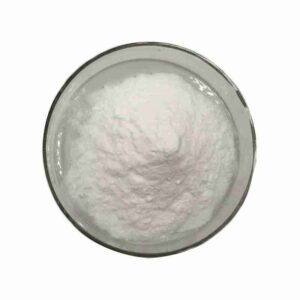
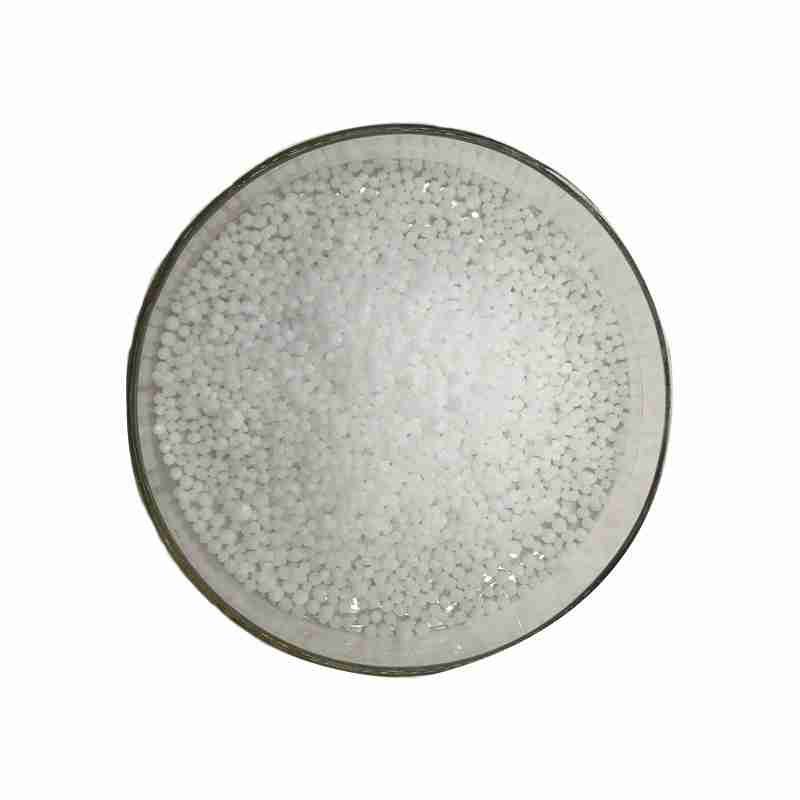
form Granules
color White to faintly yellow
Odor odorless
Water Solubility SOLUBLE
Stability: Stable. Incompatible with strong oxidizing agents, aluminium, copper, iron, iron salts
EPA Substance Registry System Polyacrylamide (9003-05-8)
Safety Information
Hazard Codes T
Risk Statements 45-21/22-36/37/38-42/43
Safety Statements 24/25-45-36/37/39-23-53
WGK Germany 1
RTECS AS3700000
TSCA TSCA listed
HS Code 39069010
Hazardous Substances Data 9003-05-8(Hazardous Substances Data)
Toxicity LD50 oral in rabbit: 11250mg/kg
Industry Solutions

Designed for Modern Chemical Industry

Meeting the demands of dual-carbon goals with green, efficient new material solutions.

โš—๏ธ

New Catalysts

High-performance catalysts for energy-efficient chemical processes

๐ŸŒฑ

Eco-friendly Materials

Bio-based and biodegradable materials for sustainable manufacturing

๐Ÿ”ฉ

Special Polymers

High-performance polymers for demanding industrial applications

๐Ÿค

Custom R&D

Collaborative development from concept to commercial production

Our Cooperation Process

From your initial inquiry to long-term technical partnership -- a transparent, efficient workflow.

๐Ÿ“‹
01 Submit Requirement
๐Ÿ”
02 Technical Evaluation
๐Ÿงช
03 Sample Testing
โš™๏ธ
04 Formula Optimization
๐Ÿญ
05 Trial Production
๐Ÿš€
06 Mass Delivery & Support

Request a Quote

Tell us your requirements and our technical team will respond within 24 hours.

By submitting, you agree to our privacy policy.

Related Products

Petroleum Additives

N,N-Dimethylaniline CAS#121-69-7

N,N-Dimethylaniline is an organic compound with amine and methyl groups attached to a benzene ring. It is a colorless liquid with a characteristic amine odor. This compound is primarily used as a chemical intermediate in the synthesis of dyes, pigments, and polymers. Its reactivity makes it a valuable building block in the production of various organic compounds, particularly in the pharmaceutical and chemical industries.

View Details
Ploymers

Poly(propylene glycol) bis(2-aminopropyl ether) CAS#9046-10-0

Polyether Amine (PEA) is a type of curing agent for epoxy resins, characterized by its excellent flexibility and toughness. It is used to enhance the performance of epoxy formulations in applications such as adhesives, coatings, and advanced composites, providing improved durability and impact resistance.

View Details
Daily Chemicals

Idebenone CAS 58186-27-9

Idebenone is an organic compound with the chemical name: 6-(10-hydroxydecyl)-2,3-dimethoxy-5-methyl-1,4-benzoquinone. It is a structural analogue of coenzyme Q10 and is developed by Takeda Pharmaceuticals as a drug for the treatment of cognitive diseases such as Alzheimer??s disease. Idebenone has an activating effect on mitochondrial function, improves brain metabolism and brain dysfunction, and can increase the utilization rate of glucose in the brain and promote the generation of ATP; it improves the metabolism of the neurotransmitter 5-hydroxytryptamine in the brain and has a strong antioxidant and free radical scavenging effect. In clinical practice, it is mainly used to treat many central nervous system degenerative diseases related to oxidative stress, such as Parkinson??s disease, Alzheimer??s disease, multi-infarct dementia, local cerebral anemia and brain failure, etc. It is also used to treat Friedreich??s ataxia. It can also be used in cosmetic formulas, with cosmetic efficacy such as scavenging free radicals, inhibiting lipid peroxidation, inhibiting inflammation, inhibiting DNA damage, light protection, and reducing pigmentation.

View Details