Monostearin CAS#123-94-4

Monostearin CAS#123-94-4

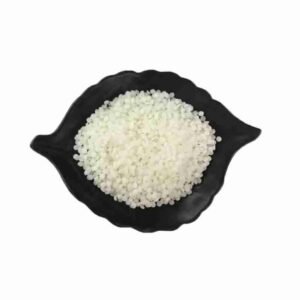
Monostearin is a versatile emulsifier and emollient derived from glycerol and stearic acid. It is instrumental in stabilizing emulsions and enhancing the texture and consistency of a wide range of products in the cosmetics, food, and pharmaceutical sectors.

Quality Certified
Technical Support
Custom R&D

Product Details

Monostearin is a versatile emulsifier and emollient derived from glycerol and stearic acid. It is instrumental in stabilizing emulsions and enhancing the texture and consistency of a wide range of products in the cosmetics, food, and pharmaceutical sectors.

Description

Monostearin Chemical Properties
Melting point 78-81???C
Boiling point 476.9??25.0 ??C(Predicted)
density 0.9678 g/cm3
FEMA 2527 | GLYCERYL MONOSTEARATE
storage temp. -20??C
solubility Chloroform (Slightly)
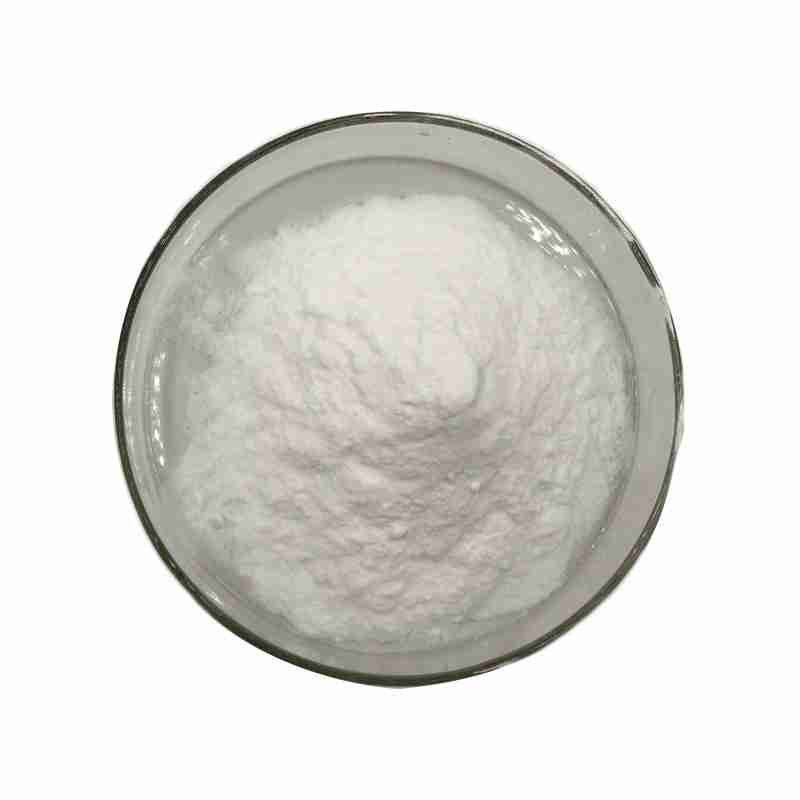
form Solid
pka 13.16??0.20(Predicted)
color White to Off-White
Odor at 100.00 %. mild fatty waxy
Odor Type fatty
JECFA Number 918
Merck 4489
BRN 1728685
Hydrophilic-Lipophilic Balance (HLB) 5.5
Dielectric constant 4.9??77.0?ๆฃฉ
InChIKey VBICKXHEKHSIBG-UHFFFAOYSA-N
LogP 7.23
CAS DataBase Reference 123-94-4(CAS DataBase Reference)
NIST Chemistry Reference Octadecanoic acid, 2,3-dihydroxypropyl ester(123-94-4)
EPA Substance Registry System 1-Monostearin (123-94-4)
Safety Information
Safety Statements 24/25
WGK Germany 1
HS Code 29157090
Industry Solutions

Designed for Modern Chemical Industry

Meeting the demands of dual-carbon goals with green, efficient new material solutions.

โš—๏ธ

New Catalysts

High-performance catalysts for energy-efficient chemical processes

๐ŸŒฑ

Eco-friendly Materials

Bio-based and biodegradable materials for sustainable manufacturing

๐Ÿ”ฉ

Special Polymers

High-performance polymers for demanding industrial applications

๐Ÿค

Custom R&D

Collaborative development from concept to commercial production

Our Cooperation Process

From your initial inquiry to long-term technical partnership -- a transparent, efficient workflow.

๐Ÿ“‹
01 Submit Requirement
๐Ÿ”
02 Technical Evaluation
๐Ÿงช
03 Sample Testing
โš™๏ธ
04 Formula Optimization
๐Ÿญ
05 Trial Production
๐Ÿš€
06 Mass Delivery & Support

Request a Quote

Tell us your requirements and our technical team will respond within 24 hours.

By submitting, you agree to our privacy policy.

Related Products

Ploymers

WANG RESIN CAS#201058-08-4

Wang Resin is a versatile support for solid-phase peptide synthesis, offering chemical stability and high cross-linking. It features a microporous structure for efficient reactant diffusion, making it ideal for immobilizing acids and phenols. Its moderate acid stability ensures easy cleavage with TFA, facilitating the synthesis of peptides with a free carboxyl group at the C-terminus.

View Details
Chemical Minerals

Copper(II) sulfate CAS#7758-98-7

Copper(II) sulfate, with the chemical formula CuSO4, is a blue crystalline compound that is soluble in water. It is commonly used in agriculture as a fungicide and in the textile industry as a dye fixative. Copper(II) sulfate is also utilized in the manufacture of pigments, batteries, and as an algaecide in water treatment. Its distinctive blue color and reactivity make it a versatile chemical in various industrial applications, including chemical analysis and electroplating.

View Details
Daily Chemicals

Lactobionic Acid CAS# 96-82-2

Lactobionic acid (C12H22O12) is a disaccharide obtained from the oxidation of lactose. Chemically, Lactobionic acid is made up of a galactose moiety that is bonded to a gluconic acid molecule through an ether-like bond. The compound can be dehydrated to a lactone. Lactobionic acid is widely used in the chemical, food and pharmaceutical industries due to its chelating, emulsifying, humectant and chelating properties. Lactobionic acid and its constituent salts are essential as food additives due to excellent solubility, good taste, and health-promoting aspects. The compound may also be essential in the synthesis of targetable and biocompatible drug delivery systems.  

View Details