LAURIC ACID MONOETHANOLAMIDE CAS#142-78-9

LAURIC ACID MONOETHANOLAMIDE CAS#142-78-9

Lauric Acid Monoethanolamide is a chemical compound derived from lauric acid, a saturated fatty acid found in coconut oil and palm kernel oil. It is commonly used as an emulsifier and surfactant in various industrial applications, including the production of personal care products, detergents, and lubricants. This compound enhances the stability and texture of formulations, making it an essential ingredient for creating smooth, homogenous mixtures. Its properties contribute to improved product performance and consumer satisfaction.

Quality Certified
Technical Support
Custom R&D

Product Details

Lauric Acid Monoethanolamide is a chemical compound derived from lauric acid, a saturated fatty acid found in coconut oil and palm kernel oil. It is commonly used as an emulsifier and surfactant in various industrial applications, including the production of personal care products, detergents, and lubricants. This compound enhances the stability and texture of formulations, making it an essential ingredient for creating smooth, homogenous mixtures. Its properties contribute to improved product performance and consumer satisfaction.

Description

LAURIC ACID MONOETHANOLAMIDE Chemical Properties
Melting point 88-89??
Boiling point 410.7??28.0 ??C(Predicted)
density 0.925
vapor pressure 0.009Pa at 25??
storage temp. Sealed in dry,Room Temperature
pka 14.49??0.10(Predicted)
Water Solubility 11.4mg/L at 20??
LogP 3.8 at 20??
EPA Substance Registry System Lauryl ethanolamide (142-78-9)
Safety Information
Hazardous Substances Data 142-78-9(Hazardous Substances Data)
MSDS Information
LAURIC ACID MONOETHANOLAMIDE Usage And Synthesis
Definition ChEBI: An N-(long-chain-acyl)ethanolamine resulting from the formal condensation of the carboxy group of dodecanoic acid (myristic acid) with the amino group of ethanolamine.
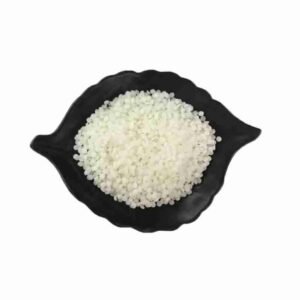
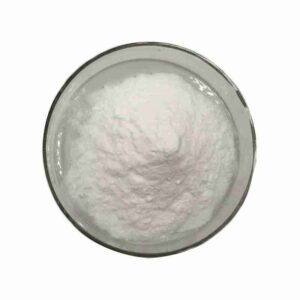
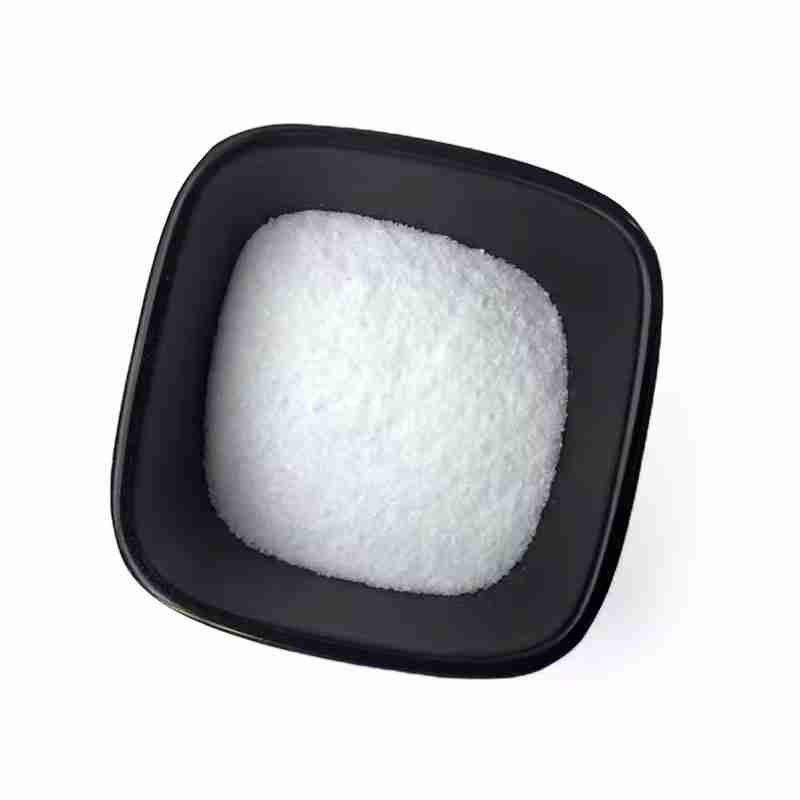
General Description Cream-colored flakes.
Air & Water Reactions Insoluble in water.
Reactivity Profile LAURIC ACID MONOETHANOLAMIDE is a very weak base. Reacts with azo and diazo compounds to generate toxic gases. Flammable gases are formed with strong reducing agents. Reacts with dehydrating agents such as P2O5 or SOCl2. Combustion generates mixed oxides of nitrogen.
Fire Hazard Flash point data for LAURIC ACID MONOETHANOLAMIDE are not available, but LAURIC ACID MONOETHANOLAMIDE is probably combustible.
Flammability and Explosibility Not classified
Industry Solutions

Designed for Modern Chemical Industry

Meeting the demands of dual-carbon goals with green, efficient new material solutions.

โš—๏ธ

New Catalysts

High-performance catalysts for energy-efficient chemical processes

๐ŸŒฑ

Eco-friendly Materials

Bio-based and biodegradable materials for sustainable manufacturing

๐Ÿ”ฉ

Special Polymers

High-performance polymers for demanding industrial applications

๐Ÿค

Custom R&D

Collaborative development from concept to commercial production

Our Cooperation Process

From your initial inquiry to long-term technical partnership -- a transparent, efficient workflow.

๐Ÿ“‹
01 Submit Requirement
๐Ÿ”
02 Technical Evaluation
๐Ÿงช
03 Sample Testing
โš™๏ธ
04 Formula Optimization
๐Ÿญ
05 Trial Production
๐Ÿš€
06 Mass Delivery & Support

Request a Quote

Tell us your requirements and our technical team will respond within 24 hours.

By submitting, you agree to our privacy policy.

Related Products

Daily Chemicals

Tetraacetylethylenediamine CAS#10543-57-4

Tetraacetylethylenediamine is a fully acetylated derivative of ethylenediamine, offering a high reactivity as an intermediate in organic synthesis. Its unique structure makes it a critical component in the production of specialty chemicals and pharmaceuticals, ensuring a wide range of applications in the chemical industry.

View Details
Ploymers

Phenolic epoxy resin CAS#61788-97-4

Epoxy Resin is a thermosetting polymer with superior adhesion, mechanical strength, and chemical resistance. It is widely used in various applications, including electrical insulation, coatings, and composite materials, due to its versatility and ability to be cured at room temperature.

View Details
Petroleum Additives

Silicones CAS#63148-53-8

Silicones are a family of synthetic polymers known for their versatility and stability. They are heat-resistant, non-toxic, and have excellent electrical insulation properties. Commonly used in various industries such as construction, automotive, aerospace, and personal care products, silicones offer a wide range of applications from sealants and adhesives to lubricants and medical devices. Their resistance to extreme temperatures and weathering makes them a preferred choice for many high-performance applications.

View Details