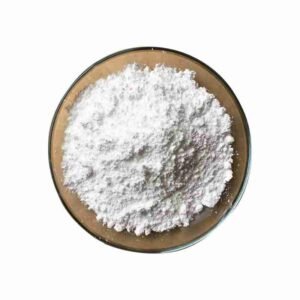
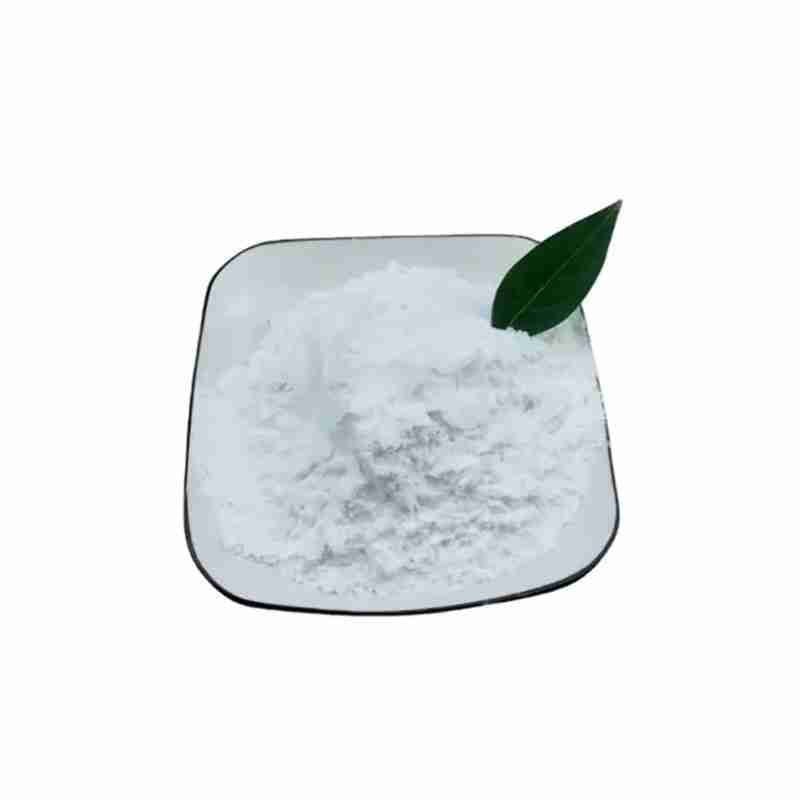
Hydroxyethyl Cellulose CAS# 9004-62-0

Hydroxyethyl Cellulose CAS# 9004-62-0

Hydroxyethyl cellulose is a commonly used cellulose ether organic water-based ink thickener. It is a water-soluble non-ionic compound. It has good thickening ability for water and can be degraded by oxygen, acid and enzyme. It can be cross-linked by Cu2+ under chemical conditions. It is stable to heat, does not gel when heated, does not precipitate under acidic conditions, and has good film-forming properties. Its aqueous solution can be made into a transparent film, which can be formed by the interaction of alkaline cellulose and ethylene oxide.

Quality Certified
Technical Support
Custom R&D

Product Details

Hydroxyethyl cellulose is a commonly used cellulose ether organic water-based ink thickener. It is a water-soluble non-ionic compound. It has good thickening ability for water and can be degraded by oxygen, acid and enzyme. It can be cross-linked by Cu2+ under chemical conditions. It is stable to heat, does not gel when heated, does not precipitate under acidic conditions, and has good film-forming properties. Its aqueous solution can be made into a transparent film, which can be formed by the interaction of alkaline cellulose and ethylene oxide.

Description

Hydroxyethyl Cellulose CAS# 9004-62-0

Hydroxyethyl Cellulose Basic information
Thickeners and binders?Chemical properties?Uses?Production methods
Product Name: Hydroxyethyl Cellulose
Synonyms: ah15;aw15(polysaccharide);aw15[polysaccharide];bl15;Natrosol L 250;hydrdoxyethyl cellulose;2-HYDROXYETHYL CELLULOSE, AVERAGE MV CA. 90,000;2-HYDROXYETHYL CELLULOSE, AVERAGE MV CA. 1,300,000
CAS: 9004-62-0
MF: C29H52O21
MW: 0
EINECS: 618-387-5
Product Categories: Cellulose;pharmaceutical,food,Construction;Carbohydrates;Carbohydrates A to;Carbohydrates H-LBiochemicals and Reagents;Polysaccharide;Cnbio;Materials Science;Natural Polymers;Polymer Science;Polymers;Natural Polymers;Polymer Science;cosmetic;Disinfectants;bc0001;9004-62-0;HEC
Mol File: Mol File
Hydroxyethyl Cellulose Chemical Properties
Melting point 288-290???C (dec.)
density 0.75?g/mL?at 25???C(lit.)
storage temp. 2-8??C
solubility H2O: ??5?wt. % at?20???C
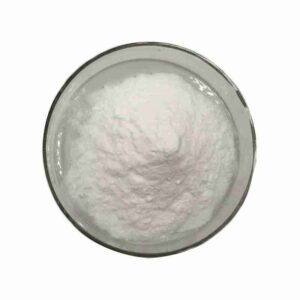
form powder
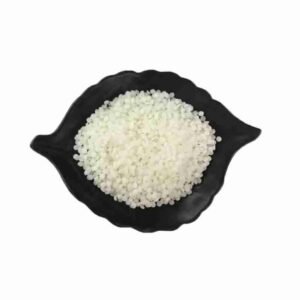
color hite to yellowish fibrous
Odor Odorless
PH pH(20g/l,25??) : 5.0??8.0
Water Solubility almost transparency
Merck 14,4673
Stability: Stable. Incompatible with strong oxidizing agents, acid chlorides, acid anhydrides
InChIKey CWSZBVAUYPTXTG-UHFFFAOYSA-N
SMILES O1C(CO)C(OC2C(O)C(O)C(OC3C(OCCO)C(O)C(OC)C(CO)O3)C(COC3C(O)C(O)C(OC)C(CO)O3)O2)C(O)C(O)C1C
CAS DataBase Reference 9004-62-0(CAS DataBase Reference)
EPA Substance Registry System 2-Hydroxyethyl cellulose (9004-62-0)
Safety Information
Hazard Codes T
Risk Statements 23/24/25-36/37/38
Safety Statements 26-36-45-24/25-22
WGK Germany 3
RTECS FJ5958000
F 3
Autoignition Temperature 725 ??F
HS Code 39123980
Hazardous Substances Data 9004-62-0(Hazardous Substances Data)
Toxicity LDLo intravenous in women: 5100mg/kg/6D-
Industry Solutions

Designed for Modern Chemical Industry

Meeting the demands of dual-carbon goals with green, efficient new material solutions.

โš—๏ธ

New Catalysts

High-performance catalysts for energy-efficient chemical processes

๐ŸŒฑ

Eco-friendly Materials

Bio-based and biodegradable materials for sustainable manufacturing

๐Ÿ”ฉ

Special Polymers

High-performance polymers for demanding industrial applications

๐Ÿค

Custom R&D

Collaborative development from concept to commercial production

Our Cooperation Process

From your initial inquiry to long-term technical partnership -- a transparent, efficient workflow.

๐Ÿ“‹
01 Submit Requirement
๐Ÿ”
02 Technical Evaluation
๐Ÿงช
03 Sample Testing
โš™๏ธ
04 Formula Optimization
๐Ÿญ
05 Trial Production
๐Ÿš€
06 Mass Delivery & Support

Request a Quote

Tell us your requirements and our technical team will respond within 24 hours.

By submitting, you agree to our privacy policy.

Related Products

Daily Chemicals

Ethylhexyl Palmitate CAS#29806-73-3

Ethylhexyl Palmitate is a skin-conditioning ester, derived from ethylhexanol and palmitic acid, that imparts moisturization and a smooth texture to cosmetic and personal care formulations. It is valued for its emollient properties, enhancing the sensory experience of skin care products.

View Details
Daily Chemicals

Lactobionic acid CAS#96-82-2

Lactobionic acid is a naturally occurring, high molecular weight sugar acid derived from lactose, known for its multifaceted applications in the pharmaceutical and cosmetic industries. With the chemical formula C18H32O12, it is a reducing sugar that forms a component of the milk sugar lactose. This water-soluble compound is celebrated for its antioxidant and chelating properties, which make it an effective ingredient in skincare products, particularly for its ability to protect the skin from oxidative stress and environmental aggressors. Lactobionic acid is also recognized for its gentle exfoliating action, as it can help to remove dead skin cells and promote cell renewal without causing irritation. Moreover, its acidic nature contributes to its use as a pH adjuster in formulations, helping to maintain the skin's natural acid mantle. Lactobionic acid is also valued for its ability to complex with metal ions, providing stability to products and enhancing the performance of other active ingredients. <p class="last-node">In summary, lactobionic acid is a versatile ingredient in skincare, offering antioxidant benefits, promoting skin renewal, and providing a stable platform for product formulation. Its gentle yet effective properties make it suitable for a wide range of skin types and applications.</p>

View Details
Daily Chemicals

SODIUM ETHYL 2-SULFOLAURATE CAS#7381-01-3

Sodium Ethyl 2-Sulfolaurate is a surfactant with a unique combination of properties. It is an anionic compound, derived from the sulfonation of ethyl laurate, which is then neutralized with sodium hydroxide. This results in a product that is highly effective in lowering the surface tension of water, making it an excellent wetting agent and emulsifier. It is commonly used in personal care products, detergents, and industrial applications for its foaming and dispersing capabilities. As a mild and biodegradable ingredient, it is favored for its environmental and skin-friendly attributes, ensuring safety and performance in a variety of formulations.

View Details