Lactobionic acid CAS#96-82-2

Lactobionic acid CAS#96-82-2

Lactobionic acid is a naturally occurring, high molecular weight sugar acid derived from lactose, known for its multifaceted applications in the pharmaceutical and cosmetic industries. With the chemical formula C18H32O12, it is a reducing sugar that forms a component of the milk sugar lactose. This water-soluble compound is celebrated for its antioxidant and chelating properties, which make it an effective ingredient in skincare products, particularly for its ability to protect the skin from oxidative stress and environmental aggressors. Lactobionic acid is also recognized for its gentle exfoliating action, as it can help to remove dead skin cells and promote cell renewal without causing irritation. Moreover, its acidic nature contributes to its use as a pH adjuster in formulations, helping to maintain the skin's natural acid mantle. Lactobionic acid is also valued for its ability to complex with metal ions, providing stability to products and enhancing the performance of other active ingredients. <p class="last-node">In summary, lactobionic acid is a versatile ingredient in skincare, offering antioxidant benefits, promoting skin renewal, and providing a stable platform for product formulation. Its gentle yet effective properties make it suitable for a wide range of skin types and applications.</p>

Quality Certified
Technical Support
Custom R&D

Product Details

Lactobionic acid is a naturally occurring, high molecular weight sugar acid derived from lactose, known for its multifaceted applications in the pharmaceutical and cosmetic industries. With the chemical formula C18H32O12, it is a reducing sugar that forms a component of the milk sugar lactose.

This water-soluble compound is celebrated for its antioxidant and chelating properties, which make it an effective ingredient in skincare products, particularly for its ability to protect the skin from oxidative stress and environmental aggressors. Lactobionic acid is also recognized for its gentle exfoliating action, as it can help to remove dead skin cells and promote cell renewal without causing irritation.

Moreover, its acidic nature contributes to its use as a pH adjuster in formulations, helping to maintain the skin’s natural acid mantle. Lactobionic acid is also valued for its ability to complex with metal ions, providing stability to products and enhancing the performance of other active ingredients.

In summary, lactobionic acid is a versatile ingredient in skincare, offering antioxidant benefits, promoting skin renewal, and providing a stable platform for product formulation. Its gentle yet effective properties make it suitable for a wide range of skin types and applications.

Description

Lactobionic acid Chemical Properties
Melting point 113-118???C(lit.)
alpha 22.8 o (c=10, H2O)
Boiling point 410.75??C (rough estimate)
density 1.4662 (rough estimate)
refractive index 26 ?? (C=8.8, H2O)
storage temp. Inert atmosphere,Room Temperature
solubility 10 g/100 mL
pka 3.28??0.35(Predicted)
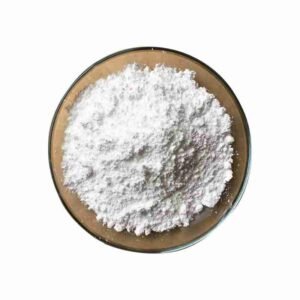
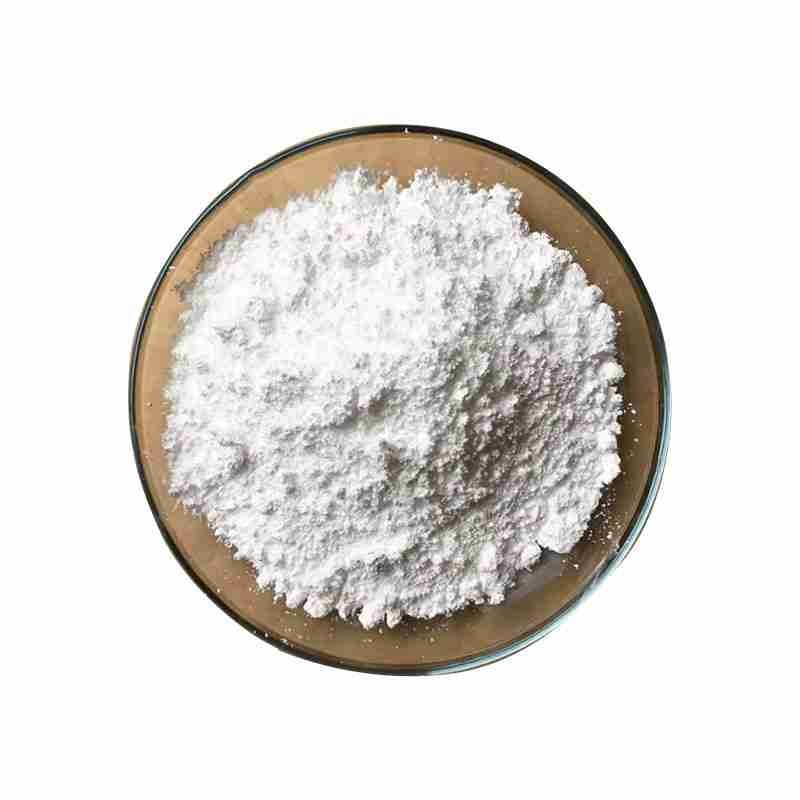
form Powder
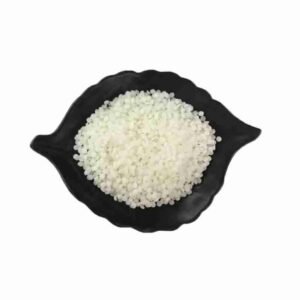
color White to Off-white
optical activity [??]20/D +25??, c = 10 in H2O
Water Solubility 10 g/100 mL
Merck 5342
BRN 95054
LogP -3.848 (est)
CAS DataBase Reference 96-82-2(CAS DataBase Reference)
Safety Information
Hazard Codes Xi
Risk Statements 36/37/38
Safety Statements 24/25-36-26
WGK Germany 1
HS Code 29400000
Industry Solutions

Designed for Modern Chemical Industry

Meeting the demands of dual-carbon goals with green, efficient new material solutions.

โš—๏ธ

New Catalysts

High-performance catalysts for energy-efficient chemical processes

๐ŸŒฑ

Eco-friendly Materials

Bio-based and biodegradable materials for sustainable manufacturing

๐Ÿ”ฉ

Special Polymers

High-performance polymers for demanding industrial applications

๐Ÿค

Custom R&D

Collaborative development from concept to commercial production

Our Cooperation Process

From your initial inquiry to long-term technical partnership -- a transparent, efficient workflow.

๐Ÿ“‹
01 Submit Requirement
๐Ÿ”
02 Technical Evaluation
๐Ÿงช
03 Sample Testing
โš™๏ธ
04 Formula Optimization
๐Ÿญ
05 Trial Production
๐Ÿš€
06 Mass Delivery & Support

Request a Quote

Tell us your requirements and our technical team will respond within 24 hours.

By submitting, you agree to our privacy policy.

Related Products

Petroleum Additives

Benzothiazole CAS#95-16-9

Benzothiazoles are a class of chemical compounds characterized by a fused benzene and thiazole ring. They exhibit a broad spectrum of applications, particularly as antioxidants in rubber and plastic industries, enhancing product longevity and performance. Additionally, benzothiazoles serve as key intermediates in the synthesis of pharmaceuticals, contributing to the development of life-saving drugs. Recognized for their stability and reactivity, these compounds are integral to advancing material science and healthcare solutions.

View Details
Daily Chemicals

Lanolin CAS#8006-54-0

Lanolin Chemical Properties Melting point 38-40 ??C density 0.932-0.945 g/cm3(Temp: 15 ??C) Fp 209 ??C storage temp. Sealed in dry,Room Temperature solubility chloroform: 0.1?g/mL, clear to faintly turbid (<29 NTU), strongly yellow-green form Adhering Crystals or Powder color White to yellow Odor Characteristic Water Solubility Soluble in ether, petroleum ether, chloroform and petroleum benzene. Sparingly […]

View Details
Ploymers

WANG RESIN CAS#201058-08-4

Wang Resin is a versatile support for solid-phase peptide synthesis, offering chemical stability and high cross-linking. It features a microporous structure for efficient reactant diffusion, making it ideal for immobilizing acids and phenols. Its moderate acid stability ensures easy cleavage with TFA, facilitating the synthesis of peptides with a free carboxyl group at the C-terminus.

View Details