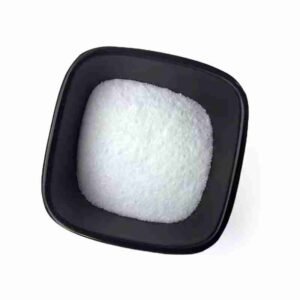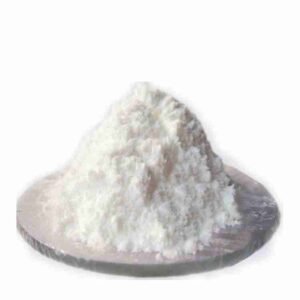
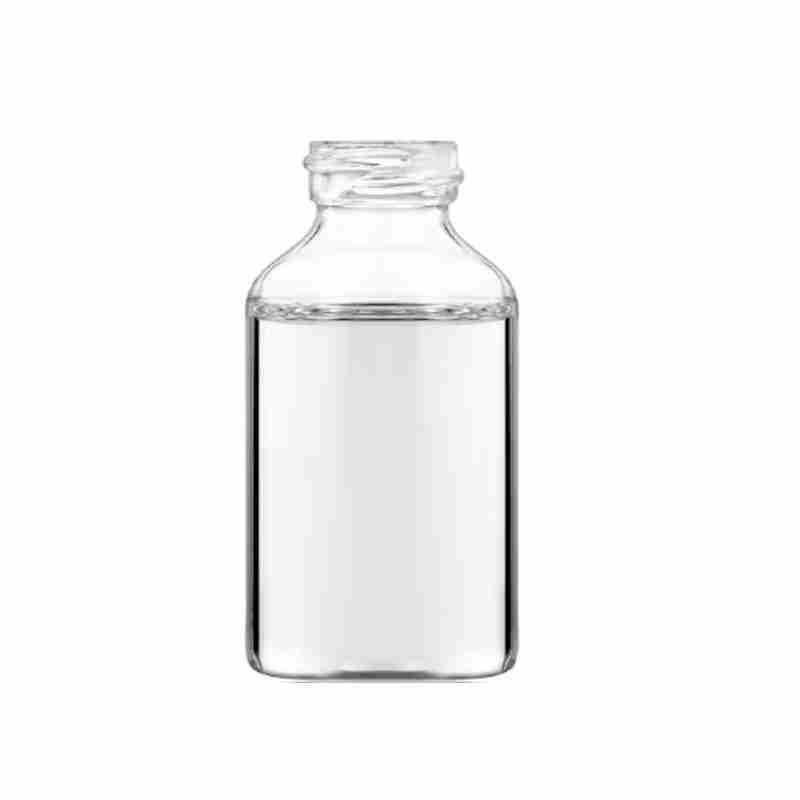
Decyl glucoside CAS#68515-73-1

Decyl glucoside CAS#68515-73-1

Decyl glucoside, scientifically known as ??-D-Glucopyranoside, is a non-ionic surfactant derived from renewable resources, such as glucose and fatty alcohols. It is a biodegradable and mild alternative to traditional surfactants, making it a preferred choice for eco-friendly and sensitive skin formulations. This compound is characterized by its ability to form stable emulsions and foams, which are essential properties in a variety of applications, including personal care products and household cleaning agents. Decyl glucoside is valued for its low irritation potential and excellent skin compatibility, making it suitable for use in baby care and cosmetic products. Chemically, decyl glucoside features a hydrophilic head and a hydrophobic tail, allowing it to effectively reduce surface tension and solubilize oils in water. Its mildness and biodegradability contribute to its use in formulations that require gentle cleansing without compromising the integrity of the skin's natural barrier. <p class="last-node">In summary, decyl glucoside is a versatile and sustainable surfactant that offers a balance of performance and safety. Its eco-friendly profile and compatibility with sensitive skin types make it an ideal ingredient for a wide range of personal care and cleaning products.</p>

Quality Certified
Technical Support
Custom R&D

Product Details

Decyl glucoside, scientifically known as ??-D-Glucopyranoside, is a non-ionic surfactant derived from renewable resources, such as glucose and fatty alcohols. It is a biodegradable and mild alternative to traditional surfactants, making it a preferred choice for eco-friendly and sensitive skin formulations.

This compound is characterized by its ability to form stable emulsions and foams, which are essential properties in a variety of applications, including personal care products and household cleaning agents. Decyl glucoside is valued for its low irritation potential and excellent skin compatibility, making it suitable for use in baby care and cosmetic products.

Chemically, decyl glucoside features a hydrophilic head and a hydrophobic tail, allowing it to effectively reduce surface tension and solubilize oils in water. Its mildness and biodegradability contribute to its use in formulations that require gentle cleansing without compromising the integrity of the skin’s natural barrier.

In summary, decyl glucoside is a versatile and sustainable surfactant that offers a balance of performance and safety. Its eco-friendly profile and compatibility with sensitive skin types make it an ideal ingredient for a wide range of personal care and cleaning products.

Description

Decyl glucoside Chemical Properties
density 1.15 g/mL at 20 ??C
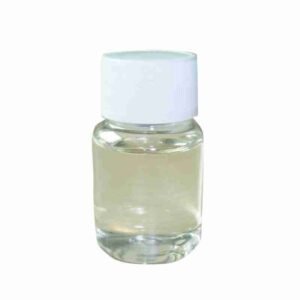
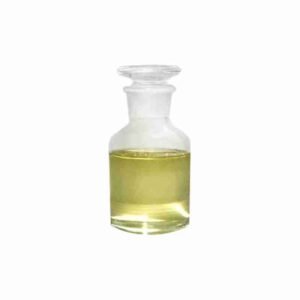
form liquid
InChI InChI=1/C16H32O6/c1-2-3-4-5-6-7-8-9-10-21-16-15(20)14(19)13(18)12(11-17)22-16/h12-20H,2-11H2,1H3/t12-,13-,14+,15-,16?/s3
InChIKey JDRSMPFHFNXQRB-TVHDANIINA-N
SMILES O(CCCCCCCCCC)C1O[C@H](CO)[C@@H](O)[C@H](O)[C@H]1O |&1:13,16,18,20,r|
EPA Substance Registry System Oligomeric D-glucopyranose decyl octyl glycosides (68515-73-1)
Decyl glucoside Usage And Synthesis
Uses Triton??CG-110 can be used:

  • In the preparation of multilamellar vesicles as carriers for tretinoins and retinoids.
  • In the study of mineralization, leaching, and adsorption of glyphosate herbicide in the soil.
Uses Decyl Glucoside is a nonionic surfactant used as a foamer, detergent, conditioner or emulsifier. It can be used as a base surfactant or co-surfactant in detergents. It has excellent foaming ability and good skin compatibility. It can be combined with other glucosides using to enhance foaming and skin conditioning properties. It can also be utilised in ionic formulations in order to increase foam depth and emulsification properties. Commonly used in shampoos and body washes.
General Description This product is a biodegradable surfactant and is aligned with the 10th principle of Green Chemistry “Design for Degradation”.
Contact allergens Decyl glucoside or decyl d-glucoside, also named decylbeta- d-glucopyranoside, belongs to the alkyl glucosides family and is obtained by condensation of the fatty alcohol decyl alcohol and a d-glucose polymer. This nonionic surfactant and cleansing agent has been widely used for several years, due to its foaming power and good tolerance in rinse-off products such as shampoos, hair dyes and colors, and soaps. Decyl glucoside is also employed in leave-on products such as no-rinsing cleansing milks, lotions, and several sunscreen agents and is contained as a stabilizing surfactant of organic microparticles in sunscreen agent Tinosorb? M.
Side effects The Cosmetic Ingredient Review expert panel, or the CIR, deemed Decyl glucoside is completely safe for use, amongst its assessment of nineteen other alkyl glucosides. However, in rare cases, when the individual is hypersensitive towards decyl glucoside, there could be irritation, redness, itching, or burning on the skin. In some cases, this results in contact dermatitis, when the individual has type-4 hypersensitivity to decyl glucoside.
Synthesis Decyl glucosides (DGs) were prepared from D-glucose with 1-decanol by direct glucosidation over the zeolite catalysts. D-glucose (2.5 g) and 1-decanol (50 mL) were introduced as the reactants. The reactants were put into the reactor with the zeolite catalyst. The reaction was carried out directly in the reactor, stirring at 130 ??[1].
References [1] Kyong-Hwan Chung. ??Decyl Glucoside Synthesized by Direct Glucosidation of D-Glucose Over Zeolite Catalysts and Its Estrogenicity as Non-Endocrine Disruptive Surfactant.?? Journal of nanoscience and nanotechnology 19 2 (2019): 1172?C1175.
Industry Solutions

Designed for Modern Chemical Industry

Meeting the demands of dual-carbon goals with green, efficient new material solutions.

โš—๏ธ

New Catalysts

High-performance catalysts for energy-efficient chemical processes

๐ŸŒฑ

Eco-friendly Materials

Bio-based and biodegradable materials for sustainable manufacturing

๐Ÿ”ฉ

Special Polymers

High-performance polymers for demanding industrial applications

๐Ÿค

Custom R&D

Collaborative development from concept to commercial production

Our Cooperation Process

From your initial inquiry to long-term technical partnership -- a transparent, efficient workflow.

๐Ÿ“‹
01 Submit Requirement
๐Ÿ”
02 Technical Evaluation
๐Ÿงช
03 Sample Testing
โš™๏ธ
04 Formula Optimization
๐Ÿญ
05 Trial Production
๐Ÿš€
06 Mass Delivery & Support

Request a Quote

Tell us your requirements and our technical team will respond within 24 hours.

By submitting, you agree to our privacy policy.

Related Products

Daily Chemicals

Climbazole CAS#38083-17-9

Climbazole is an efficacious antifungal agent widely utilized in pharmaceutical formulations for treating seborrheic dermatitis and dandruff. Its targeted action against fungal proliferation makes it an essential component in dermatological care products.

View Details
Daily Chemicals

Arbutin CAS#497-76-7

Arbutin, a derivative of hydroquinone, is a naturally occurring compound extracted primarily from the bearberry plant (Arctostaphylos uva-ursi). It is renowned in the skincare industry for its skin lightening properties, making it a popular ingredient in cosmetic products designed to reduce hyperpigmentation and even out skin tone. Chemically, arbutin is ??-glucosiduronic acid of hydroquinone, with the molecular formula C12H12O7. Its mechanism of action involves the inhibition of tyrosinase, a key enzyme in the melanin biosynthesis pathway. By reducing melanin production, arbutin effectively lightens the skin without the risk of irritation often associated with hydroquinone. Arbutin is valued for its safety profile, as it is considered less irritating and more stable compared to other skin lightening agents. It is also known for its antioxidant properties, which contribute to its skin brightening effects and overall skin health benefits. <p class="last-node">In summary, arbutin is a reliable and gentle alternative for skin lightening, offering a natural approach to reducing pigmentation issues while promoting a more radiant and even complexion. Its use in skincare formulations is favored for its efficacy and mildness, making it suitable for various skin types.</p>

View Details
Ploymers

3,4-Ethylenedioxythiophene CAS#126213-50-1

3,4-Ethylenedioxythiophene is a synthetic organic compound characterized by its unique structure that includes a thiophene ring with ethylenedioxy substituents at the 3 and 4 positions. This compound is known for its potential applications in the synthesis of various organic materials, including pharmaceuticals and organic electronic devices such as sensors and solar cells. Its stability and reactivity make it a versatile intermediate in the chemical industry.

View Details