Coconut diethanolamide CAS#68603-42-9

Coconut diethanolamide CAS#68603-42-9

Coconut diethanolamide is a derivative of coconut fatty acids, where the fatty acid is reacted with diethanolamine to form an amide. This compound is commonly used as an emulsifier and viscosity modifier in personal care products such as shampoos, conditioners, and creams. It imparts a smooth texture and enhances the stability of formulations. Coconut diethanolamide is valued for its ability to improve the foaming properties and skin feel of products, making it a preferred ingredient for creating luxurious and effective formulations in the cosmetics and personal care industry.

Quality Certified
Technical Support
Custom R&D

Product Details

Coconut diethanolamide is a derivative of coconut fatty acids, where the fatty acid is reacted with diethanolamine to form an amide. This compound is commonly used as an emulsifier and viscosity modifier in personal care products such as shampoos, conditioners, and creams. It imparts a smooth texture and enhances the stability of formulations. Coconut diethanolamide is valued for its ability to improve the foaming properties and skin feel of products, making it a preferred ingredient for creating luxurious and effective formulations in the cosmetics and personal care industry.

Description

Coconut diethanolamide Chemical Properties
Boiling point 168-274??C
Odor at 100.00?%. mild ammonia
Water Solubility 5-10 g/100 mL at 18 oC
Stability: Stable. Combustible. Incompatible with strong oxidizing agents.
IARC 2B (Vol. 101) 2013
EPA Substance Registry System Cocamides diethanolamines (68603-42-9)
Safety Information
Hazardous Substances Data 68603-42-9(Hazardous Substances Data)
MSDS Information
Provider Language
Coconut diethanolamide English
Coconut diethanolamide Usage And Synthesis
Description Cocamide DEA is also named N,N-bis(2-hydroxyethyl) coco fatty acid diethanolamide, coconut fatty acid diethanolamide, cocoyl diethanolamide, and coconut oil acid diethanolamide. It is manufactured from coconut oil and is widely used in industry and at horne as a surface-active agent. It is contained in hand gels, handwashing soaps, shampoos and dish-washing liquids for its foam-producing and stabilizing properties, and in metalworking fluids and polishing agents as an anticorrosion inhibitor.
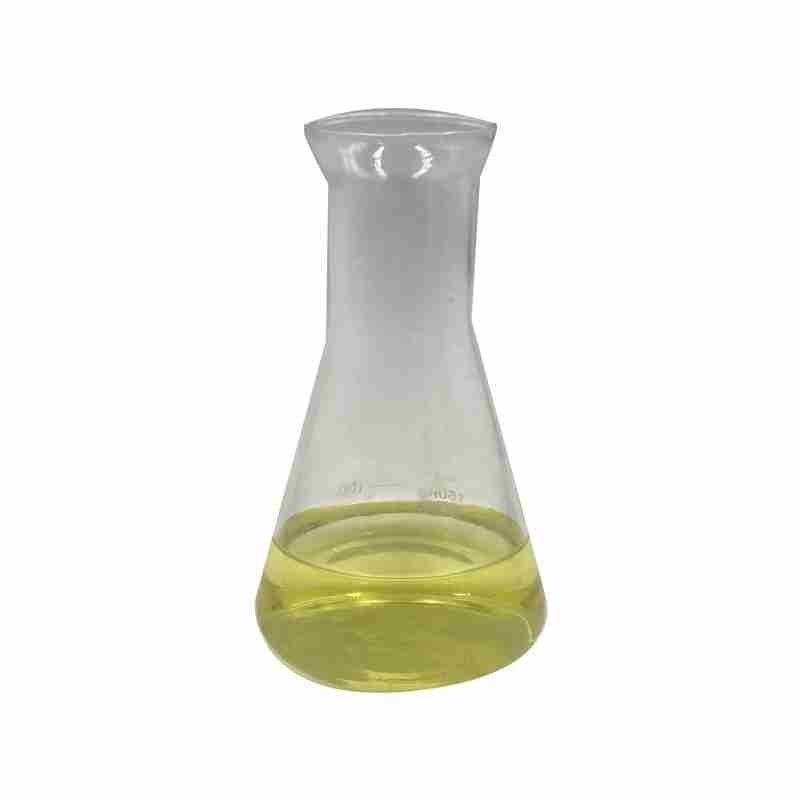
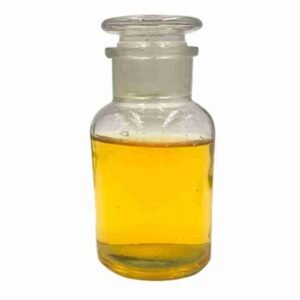
Chemical Properties viscous yellow to amber liquid
Uses cocamide DEA is a thickener and viscosity builder for cosmetic surfactant systems. It is added to lauryl sulfate-based liquid cleansers to help stabilize the lather and improve foam formation.
Uses Coconut diethanolamide is a mixture of ethanolamides of coconut acid. It is a component in bath, shower and body cosmetics and in cooling fluids; emulsifying agent; emulsion stabilizer; surfactant- and viscosity-controlling agent.
Application Coconut diethanolamide has the properties of wetting, washing, emulsifying, softening, etc. It has good foam stabilising effect on anionic surfactants. It is an indispensable raw material for a variety of cosmetic products such as liquid detergents, liquid soaps, shampoos, cleansers and cleansers. When used with soap, it is resistant to hard water.
It can also be used as an emulsifying stabiliser for cream products, and is widely used in shoe polish, printing inks, drawing supplies and so on.
It is used in the textile printing and dyeing industry as a detergent for fabrics, as well as other detergent ingredients and thickeners.
It is one of the components of spinning oil for synthetic fibres such as polypropylene. It has a good thickening effect on liquid products using anionic surfactants as the main raw material.
It has a certain antistatic conditioning effect and is less irritating to the skin.
It is widely used as an emulsifier for oily raw materials in various cosmetics and surfactant products. It is commonly used in cosmetic formulations for bath oils, shampoos, conditioners, lipsticks and hair dyes. It is also a surfactant in soap bars, light detergents and dishwashing detergents, and a degreasing agent for cottonseed.
General Description Viscous amber or yellow liquid. pH (1% aqueous solution) 9.
Air & Water Reactions Water soluble. Foams in water.
Reactivity Profile Coconut diethanolamide is a mixture of amines. Amines are chemical bases. They neutralize acids to form salts plus water. These acid-base reactions are exothermic. The amount of heat that is evolved per mole of amine in a neutralization is largely independent of the strength of the amine as a base. Amines may be incompatible with isocyanates, halogenated organics, peroxides, phenols (acidic), epoxides, anhydrides, and acid halides. Flammable gaseous hydrogen is generated by amines in combination with strong reducing agents, such as hydrides.
Hazard A poison by ingestion. A moderate skin irritant.
Fire Hazard Coconut diethanolamide is probably combustible.
Contact allergens Cocamide DEA, manufactured from coconut oil, is widely used in industry and at home as a surface-active agent. It is contained in hand gels, hand washing soaps, shampoos, and dish-washing liquids for its foam-producing and stabilizing properties, and in metal working fluids and polishing agents as an anticorrosion inhibitor.
Safety Profile A poison by ingestion. A moderate skin irritant. Questionable carcinogen with experimental Carcinogenic data reported. When heated to decomposition it emits acrid smoke and irritating vapors.
Synthesis Coconut diethanolamide is produced by the condensation reaction of an appropriate fatty acid (methyl cocoate, coconut oil, whole coconut acid, or stripped coconut fatty acids) with diethanolamine in 1:1 or 1:2 molar ratios using temperatures up to 170??C and in the presence of an alkaline catalyst. The 1:2 mixtures of fatty acids (or methyl fatty acids) with diethanolamine result in low quality diethanolamides with residual ethylene glycol and free diethanolamine. 1:1 mixtures produce higher quality diethanolamides with much less free amine, and are therefore used in lower concentrations than the 1:2 diethanolamides.
Industry Solutions

Designed for Modern Chemical Industry

Meeting the demands of dual-carbon goals with green, efficient new material solutions.

โš—๏ธ

New Catalysts

High-performance catalysts for energy-efficient chemical processes

๐ŸŒฑ

Eco-friendly Materials

Bio-based and biodegradable materials for sustainable manufacturing

๐Ÿ”ฉ

Special Polymers

High-performance polymers for demanding industrial applications

๐Ÿค

Custom R&D

Collaborative development from concept to commercial production

Our Cooperation Process

From your initial inquiry to long-term technical partnership -- a transparent, efficient workflow.

๐Ÿ“‹
01 Submit Requirement
๐Ÿ”
02 Technical Evaluation
๐Ÿงช
03 Sample Testing
โš™๏ธ
04 Formula Optimization
๐Ÿญ
05 Trial Production
๐Ÿš€
06 Mass Delivery & Support

Request a Quote

Tell us your requirements and our technical team will respond within 24 hours.

By submitting, you agree to our privacy policy.

Related Products

Daily Chemicals

LAURIC ACID MONOETHANOLAMIDE CAS#142-78-9

Lauric Acid Monoethanolamide is a chemical compound derived from lauric acid, a saturated fatty acid found in coconut oil and palm kernel oil. It is commonly used as an emulsifier and surfactant in various industrial applications, including the production of personal care products, detergents, and lubricants. This compound enhances the stability and texture of formulations, making it an essential ingredient for creating smooth, homogenous mixtures. Its properties contribute to improved product performance and consumer satisfaction.

View Details
Daily Chemicals

Arbutin CAS#497-76-7

Arbutin, a derivative of hydroquinone, is a naturally occurring compound extracted primarily from the bearberry plant (Arctostaphylos uva-ursi). It is renowned in the skincare industry for its skin lightening properties, making it a popular ingredient in cosmetic products designed to reduce hyperpigmentation and even out skin tone. Chemically, arbutin is ??-glucosiduronic acid of hydroquinone, with the molecular formula C12H12O7. Its mechanism of action involves the inhibition of tyrosinase, a key enzyme in the melanin biosynthesis pathway. By reducing melanin production, arbutin effectively lightens the skin without the risk of irritation often associated with hydroquinone. Arbutin is valued for its safety profile, as it is considered less irritating and more stable compared to other skin lightening agents. It is also known for its antioxidant properties, which contribute to its skin brightening effects and overall skin health benefits. <p class="last-node">In summary, arbutin is a reliable and gentle alternative for skin lightening, offering a natural approach to reducing pigmentation issues while promoting a more radiant and even complexion. Its use in skincare formulations is favored for its efficacy and mildness, making it suitable for various skin types.</p>

View Details
Petroleum Additives

Silicones CAS#63148-53-8

Silicones are a family of synthetic polymers known for their versatility and stability. They are heat-resistant, non-toxic, and have excellent electrical insulation properties. Commonly used in various industries such as construction, automotive, aerospace, and personal care products, silicones offer a wide range of applications from sealants and adhesives to lubricants and medical devices. Their resistance to extreme temperatures and weathering makes them a preferred choice for many high-performance applications.

View Details