Vitamin A Palmitate CAS# 79-81-2

Vitamin A Palmitate CAS# 79-81-2

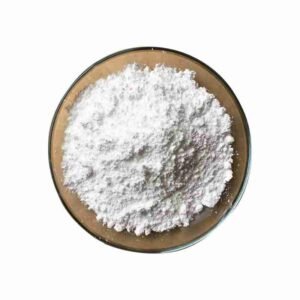
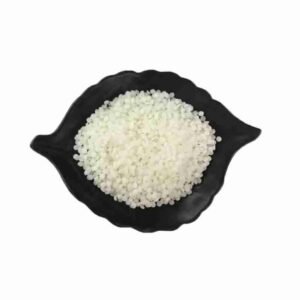
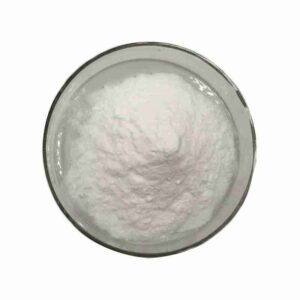
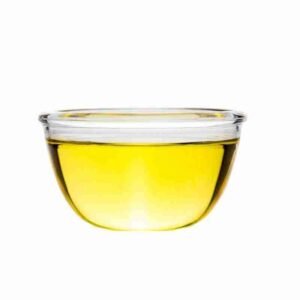
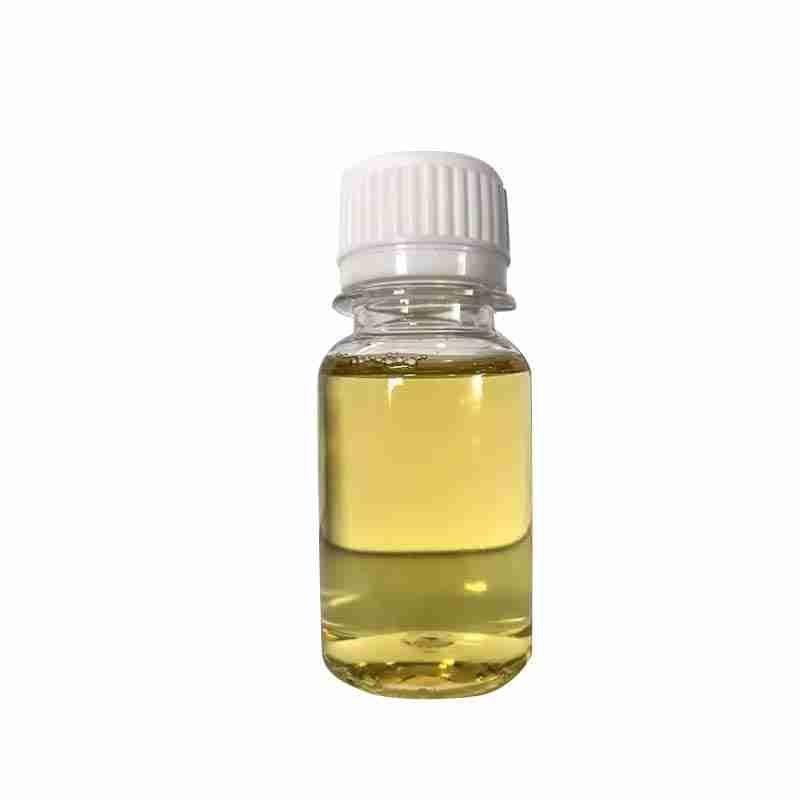
Vitamin A ester derivatives mainly refer to its alkyl acid esters, such as vitamin A acetate, vitamin A palmitate, etc. Due to the instability of vitamin A, commercial vitamin A is available in the form of its ester. However, vitamin A acetate easily absorbs water and gets damp, while vitamin A palmitate is more stable than vitamin A acetate. Vitamin A, commonly known as retinol, is an unsaturated monohydric alcohol with an ester ring. It is a yellow flaky crystal or crystalline powder. It is a fat-soluble vitamin. It is insoluble in water and glycerol, and soluble in alcohol, ether, hydrocarbon, Most organic solvents such as halogenated hydrocarbons. Retinol palmitate is an ester of retinol combined with palmitic acid, a saturated fatty acid that is the main component of palm oil. Retinyl palmitate is easily absorbed by the skin and then converted into retinol. It is a yellow or yellow-red solid or oily substance.

Quality Certified
Technical Support
Custom R&D

Product Details

Vitamin A ester derivatives mainly refer to its alkyl acid esters, such as vitamin A acetate, vitamin A palmitate, etc. Due to the instability of vitamin A, commercial vitamin A is available in the form of its ester. However, vitamin A acetate easily absorbs water and gets damp, while vitamin A palmitate is more stable than vitamin A acetate.

Vitamin A, commonly known as retinol, is an unsaturated monohydric alcohol with an ester ring. It is a yellow flaky crystal or crystalline powder. It is a fat-soluble vitamin. It is insoluble in water and glycerol, and soluble in alcohol, ether, hydrocarbon, Most organic solvents such as halogenated hydrocarbons. Retinol palmitate is an ester of retinol combined with palmitic acid, a saturated fatty acid that is the main component of palm oil. Retinyl palmitate is easily absorbed by the skin and then converted into retinol. It is a yellow or yellow-red solid or oily substance.

Category:

Description

Vitamin A Palmitate CAS# 79-81-2

Vitamin A palmitate Basic information
Product Name: Vitamin A palmitate
Synonyms: VITAMINAPALMITATE,LIQUIDINOIL,1MILLIONIU/G;VITAMINAPALMITATE,USP;[(2E,4E,6E,8E)-3,7-dimethyl-9-(2,6,6-trimethyl-1-cyclohexenyl)nona-2,4,6,8-tetraenyl] hexadecanoate;VITAMIN A PALMITATE(RETINYL PALMITATE)(RG);ALL-TRANS-RETINYLPALMITATE;VITAMIN-A-PALMITATE, STAB., 1750 U/MG;VITAMIN A PALMITATE LIQUID WITH TOCOPHERYL;all-trans-Retinol palmitate, VitaminA palmitate
CAS: 79-81-2
MF: C36H60O2
MW: 524.86
EINECS: 201-228-5
Product Categories: BAYPRESS;Vitamins and derivatives;79-81-2
Mol File: 79-81-2.mol
Vitamin A palmitate Structure
Vitamin A palmitate Chemical Properties
Melting point 28-29??
Boiling point 546.51??C (rough estimate)
density 0.9668 (rough estimate)
refractive index 1.5250 (estimate)
Fp 194??
storage temp. 2-8??C
solubility Chloroform (Slightly), Ethyl Acetate (Slightly), Methanol (Very Slightly)
form oil
Specific Gravity 0.90??0.93 (20??)
color Light Yellow to Yellow
Water Solubility Soluble in chloroform, ether, and vegetable oils. Insoluble in water.
Merck 13,10073
BRN 1917366
BCS Class 4
Stability: Light Sensitive
InChIKey VYGQUTWHTHXGQB-YFAKFODJSA-N
LogP 15.51 at 25??
CAS DataBase Reference 79-81-2(CAS DataBase Reference)
NIST Chemistry Reference Vitamin a palmitate(79-81-2)
EPA Substance Registry System Retinol, hexadecanoate (79-81-2)
Safety Information
Hazard Codes T,Xn,F
Risk Statements 63-53-61-11
Safety Statements 53-23-36/37/39-45-36/37-16-60
RIDADR UN1170 – class 3 – PG 2 – Ethanol, solution
WGK Germany 3
RTECS VH6860000
F 8-10-23
TSCA Yes
HS Code 29362100
Toxicity LD50 (10 day) in mice, rats (mg/kg): 6060, 7910 orally (Kamm)
Industry Solutions

Designed for Modern Chemical Industry

Meeting the demands of dual-carbon goals with green, efficient new material solutions.

โš—๏ธ

New Catalysts

High-performance catalysts for energy-efficient chemical processes

๐ŸŒฑ

Eco-friendly Materials

Bio-based and biodegradable materials for sustainable manufacturing

๐Ÿ”ฉ

Special Polymers

High-performance polymers for demanding industrial applications

๐Ÿค

Custom R&D

Collaborative development from concept to commercial production

Our Cooperation Process

From your initial inquiry to long-term technical partnership -- a transparent, efficient workflow.

๐Ÿ“‹
01 Submit Requirement
๐Ÿ”
02 Technical Evaluation
๐Ÿงช
03 Sample Testing
โš™๏ธ
04 Formula Optimization
๐Ÿญ
05 Trial Production
๐Ÿš€
06 Mass Delivery & Support

Request a Quote

Tell us your requirements and our technical team will respond within 24 hours.

By submitting, you agree to our privacy policy.

Related Products

Daily Chemicals

EC 3.4.21.14 CAS#9014-01-1

EC 3.4.21.14, previously classified, now redirects to EC 3.4.21.67, identifying endopeptidase So. This serine endopeptidase is integral in the hydrolysis of peptide bonds, a critical function in biological systems. Its applications extend across research and development in the pharmaceutical and biotechnological industries.

View Details
Daily Chemicals

Patchouli Oil CAS# 8014-09-3

Pogostemon cablin (Blanco) Benth Made from dried leaves. It is a viscous liquid ranging from reddish brown to greenish brown, with a unique, slightly camphor like woody fragrance.The patchouli shrub is mainly planted in Indonesia. It grows up to 1 meter, but when harvested, it will be cut to 10-15 centimeters. It is best to extract oil from sun dried leaves, with a yield of about 2%.The three terpenoids found in patchouli oil, namely caryophyllene, patchouli alcohol or patchouli alcohol, and nopachenol, are the typical sources of patchouli fragrance. Thin layer chromatography and high performance liquid chromatography are used to identify potential chemical markers for evaluating the quality of the Chinese herbal medicine ingredient ??patchouli herb?? (aboveground part of patchouli). In addition to the reported patchouli alcohol and 2-hydroxy-6-methyl-3- (4-methylpentanoyl) -4-pyranone, three phenylethane compounds (acteoside, isoacteoside, and crenatoside) were also isolated from this plant material for the first time.

View Details
Daily Chemicals

Isothiazolinones CAS#26172-55-4

Isothiazolinones are a class of broad-spectrum, highly effective fungicides and biocides, composed of 5-chloro-2-methyl-4-thiazoline-3-one (CMI) and 2-methyl-4-thiazoline-3-one (MI). These compounds are recognized for their rapid action against microbes, inhibiting their growth upon contact and leading to cell death <span class="ragTag___IXxub"><span class="refIndex___iN7ZN ragIndex___HYxyx">9</span></span>. They are characterized by high biocidal efficiency, good degradation, no residual, safe operation, compatibility, stabilization, and low operational costs <span class="ragTag___IXxub"><span class="refIndex___iN7ZN ragIndex___HYxyx">9</span></span>. Isothiazolinones are used in various industrial applications, including cooling water systems and wastewater treatment in fields such as oil, papermaking, pesticides, cutting oils, leather, detergents, and cosmetics. They are compatible with chlorine and most cationic, anionic, and non-ionic surfactants, and at higher dosages, they exhibit excellent bio-sludge stripping effects <span class="ragTag___IXxub"><span class="refIndex___iN7ZN ragIndex___HYxyx">9</span></span>. <p class="last-node">The active content in Isothiazolinones-based products typically ranges from 1.5% to 15%, with a pH value between 1.0 and 5.0, depending on the grade. They are available in various forms such as transparent liquids and are packaged in quantities that can be tailored to specific industrial needs <span class="ragTag___IXxub"><span class="refIndex___iN7ZN ragIndex___HYxyx">10</span></span>. Safety precautions are essential when handling Isothiazolinones due to their corrosive nature; they should not come into contact with skin or eyes, and protective equipment is recommended during use</p>

View Details