For industrial manufacturing and laboratory research purposes only.
Product Specifications
| Parameter | Value |
|---|---|
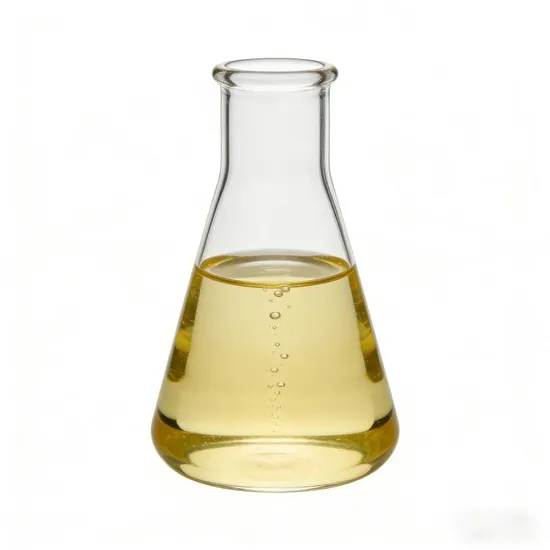
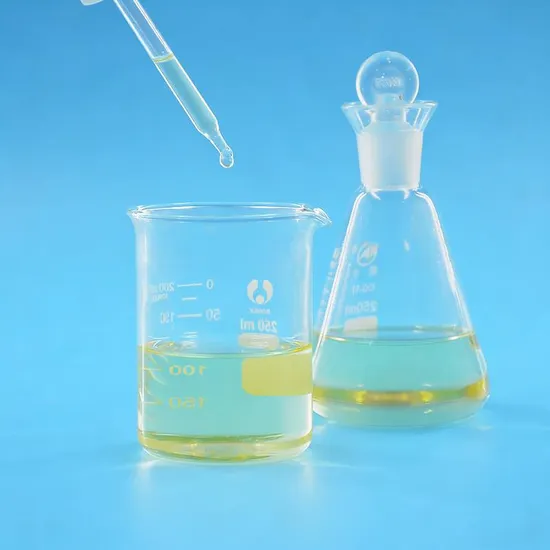
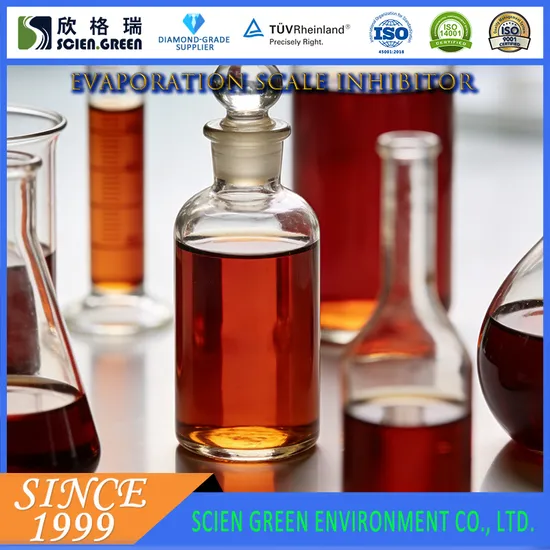
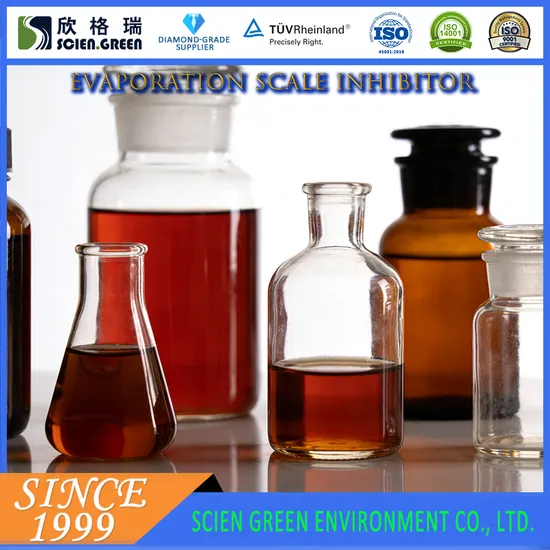
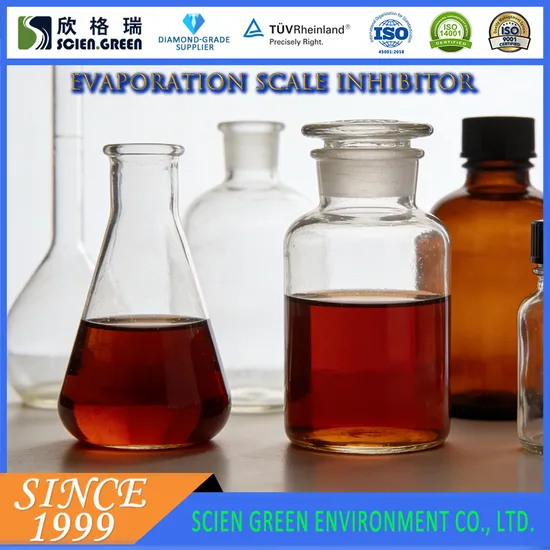
| Color | Light Yellow to Reddish Brown |
| Appearance | Liquid |
| Type | Industrial Circulating Water Treatment Agent |
| Product Name | Salt Inhibitor for Hazardous Waste Quenching Tower |
| Solid Content | ≥ 30% |
| Density (20℃) | ≥1.1g/cm³ |
| pH | ≥7.0 |
| Storage | Shady and Ventilated |
| Transport Package | Blue / White Plastics Drum |
| Specification | 25 kg/200 kg/1 ton drum |
| Trademark | GIDINEW |
| Origin | Jining City, Shandong Province, China |
Phosphorus Free Salt Scale Dispersion Inhibitor: Solving Quenching Tower Fouling in Hazardous Waste Treatment
For over a decade in chemical manufacturing, we've witnessed hazardous waste treatment facilities struggle with salt scale buildup in quenching towers—leading to reduced heat transfer efficiency, unplanned shutdowns, and skyrocketing maintenance costs. Traditional inhibitors often fail to balance scale inhibition with environmental compliance, especially when phosphorus content exceeds regulatory limits.
Efficient Scale Control for Critical Industrial Processes
Our Phosphorus Free Salt Scale Dispersion Inhibitor addresses these challenges with a specialized formulation designed for hazardous waste quenching tower treatment. With a solid content of ≥30% and density ≥1.1g/cm³, this liquid solution delivers reliable performance in high-stress industrial environments, ensuring continuous operation even under extreme temperature and pH conditions.
Industrial Applications in Hazardous Waste Management
This Quenching Tower Inhibitor plays a critical role in hazardous waste treatment facilities, where quenching towers require precise temperature control to neutralize toxic emissions. By preventing salt scale formation on heat exchange surfaces, it maintains optimal cooling efficiency and reduces the risk of equipment corrosion—essential for compliance with industrial safety standards.
Key Specifications for Optimal Performance
The product's pH ≥7.0 ensures compatibility with alkaline quenching tower environments, while its light yellow to reddish brown liquid appearance allows for easy visual inspection and dosage monitoring. The high solid content guarantees effective scale inhibition at lower usage concentrations, minimizing operational costs. Most importantly, its phosphorus-free composition meets strict environmental regulations, eliminating the risk of water pollution from phosphorous discharge.
Benefits of Phosphorus Free Treatment Technology
Choosing our Phosphorus Free Salt Scale Dispersion Inhibitor reduces long-term operational costs by extending equipment lifespan and reducing maintenance downtime. Unlike conventional inhibitors, its phosphorus-free formula eliminates regulatory compliance risks associated with phosphorous discharge limits, ensuring your facility meets environmental standards without sacrificing performance.
Our Commitment to Quality and Reliability
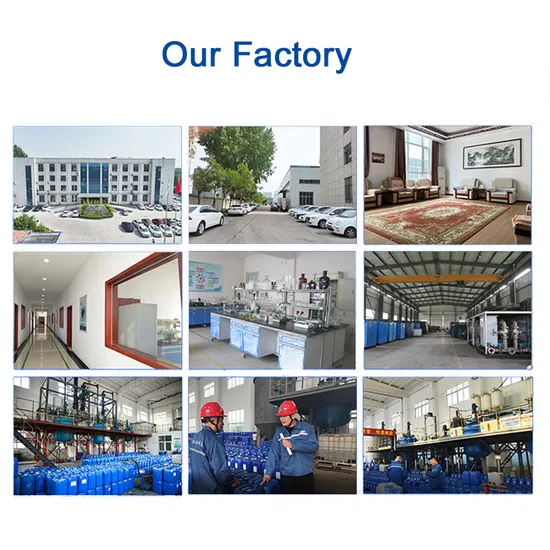
Every batch of our Salt Scale Inhibitor undergoes rigorous quality control testing, including density and pH verification, to ensure consistent performance. With a production capacity of 15,000 tons per year, we guarantee stable supply even for large-scale industrial operations. Our 10+ years of experience serving 50+ countries ensures we understand the unique challenges of hazardous waste treatment facilities worldwide.
Certificate of Analysis & Documentation
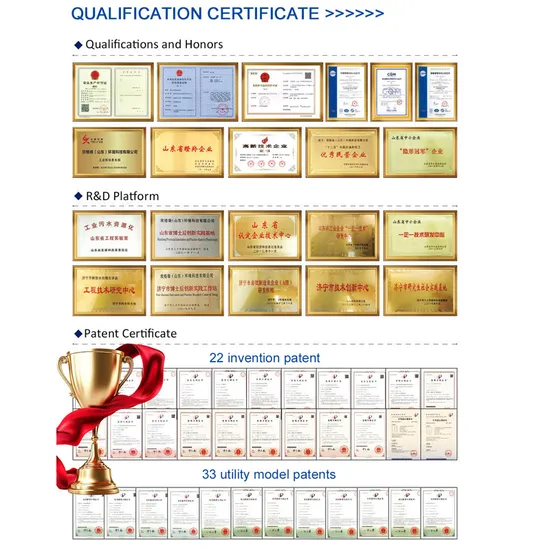
Each shipment includes a Certificate of Analysis (COA) with batch-specific test results, ensuring full traceability. Material Safety Data Sheets (MSDS) are provided to support safe handling and storage practices, with additional technical documentation available upon request.
Storage & Handling
- Store in a cool, dry, well-ventilated area, sealed and away from direct sunlight.
- Keep away from incompatible materials, food and feed sources.
- Handle with appropriate personal protective equipment (gloves, goggles, lab coat).
- Follow good industrial hygiene practices. Avoid inhalation and skin contact.
- Refer to MSDS for detailed storage and safety instructions.
Streamlined Ordering Process
To place an order, simply contact our technical team with your specific requirements, including volume and delivery timeline. We offer flexible packaging options (25kg, 200kg, or 1-ton drums) to suit your operational needs, with dedicated customer support throughout the ordering and delivery process.
Frequently Asked Questions
Q: What is the recommended storage temperature for this inhibitor?
A: Store in a shady and ventilated area at ambient temperature; avoid extreme heat or freezing conditions.
Q: Is this product suitable for use in food or pharmaceutical applications?
A: No, this product is FOR INDUSTRIAL AND LABORATORY RESEARCH USE ONLY. Not for direct human consumption, therapeutic or household use.
Q: What documentation is provided with each order?
A: Each shipment includes a Certificate of Analysis (COA) and Material Safety Data Sheet (MSDS).
Q: Can the packaging size be customized for specific requirements?
A: Standard packaging includes 25 kg, 200 kg, and 1-ton drums. For custom packaging needs, please contact our sales team.
Q: How is the effectiveness of the scale inhibitor determined?
A: Effectiveness is verified through batch testing of key parameters including solid content, density, and pH, with results provided in the COA.