

For industrial manufacturing and laboratory research purposes only.
Product Specifications
| Parameter | Value |
|---|---|
| Model NO. | SGR 1831W |
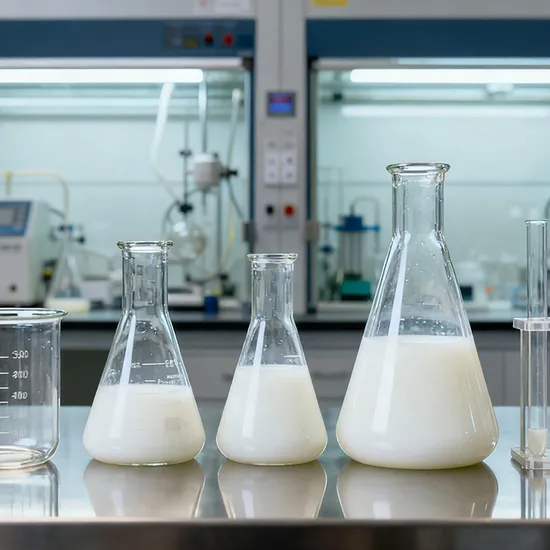
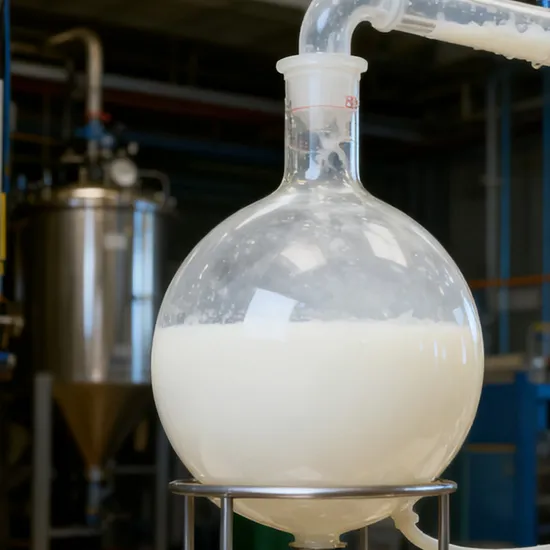
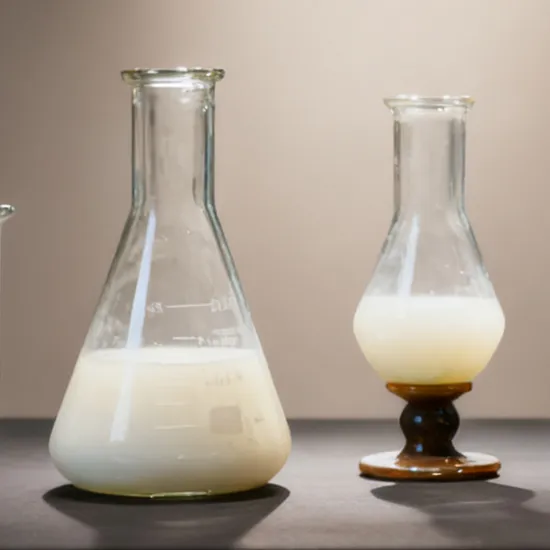
| Color | White Emulsion Liquid |
| Appearance | Liquid |
| Type | Industrial Circulating Water Treatment Agent |
| Product Name | Modified Silicone Defoamer |
| Emulsion Ionic Type | Non-Ionic |
| pH Value | 7—8 |
| Emulsion Stability | 6 Months |
| Viscosity | 200~1500MPa.S |
| Solid Content (%) | 5-30% |
| Transport Package | Plastic Bucket |
| Specification | 25Kg |
| Trademark | SCIEN GREEN |
| Origin | Jining City, Shandong Province |
Overcoming Foam Control Challenges in Industrial Circulating Water Systems with Modified Organic Silicone Defoamer
In industrial circulating water treatment, persistent foam can disrupt heat transfer efficiency, increase chemical consumption, and compromise system reliability. We've seen countless R&D teams and production facilities struggle with traditional defoamers that either break down under operating conditions or require frequent reapplication—delaying project timelines and inflating operational costs.
A Stable and Reliable Foam Control Solution for Critical Operations
Our Modified Organic Silicone Defoamer addresses these challenges with its non-ionic emulsion formulation (pH 7-8), designed to maintain stability across varying water conditions. Backed by a flexible production system capable of delivering small-batch orders within 7-15 days, we ensure researchers and manufacturers get the precise defoaming agent they need without the delays of bulk production cycles.
Key Applications in Industrial Water Management
This Industrial Defoamer is specifically engineered for circulating water treatment systems, including cooling towers, closed-loop circuits, and process water streams. Its versatility makes it suitable for industries ranging from power generation to chemical manufacturing, where foam control is critical to maintaining operational efficiency and product quality.
Why Technical Specifications Drive Performance
The 200~1500MPa.S viscosity range ensures easy dispersion in water systems, while the 5-30% solid content allows for customizable dosage based on specific foam severity. The non-ionic emulsion type guarantees compatibility with common water treatment chemicals, preventing unwanted reactions that could compromise system integrity. Six months of emulsion stability means consistent performance from first use to container emptying, eliminating the need for frequent reagent replacement.
Operational Advantages of Quality Defoaming Agents
Using a reliable Modified Organic Silicone Defoamer reduces downtime caused by foam-related issues and lowers overall chemical usage by maintaining effective foam control at lower dosages. Unlike substandard defoamers that may introduce contaminants, our product meets strict industrial standards, supporting compliance with environmental regulations and protecting equipment from unnecessary wear.
Our Commitment to Quality Assurance
Every batch of our defoamer undergoes rigorous quality testing, including emulsion stability checks and pH verification, to ensure it meets stated specifications. We provide batch-specific Certificates of Analysis with every order, and our technical team is available to assist with dosage optimization and application troubleshooting. With over 10 years of experience serving industrial clients, we've built our reputation on consistent product performance and transparent quality documentation.
Certificate of Analysis & Documentation
Each shipment includes a detailed Certificate of Analysis (COA) and Material Safety Data Sheet (MSDS). Specific batch testing data can be requested using your order number, and additional technical documentation is available upon request to support your quality control processes.
Storage & Handling
- Store in a cool, dry, well-ventilated area, sealed and away from direct sunlight.
- Keep away from incompatible materials, food and feed sources.
- Handle with appropriate personal protective equipment (gloves, goggles, lab coat).
- Follow good industrial hygiene practices. Avoid inhalation and skin contact.
- Refer to MSDS for detailed storage and safety instructions.
Streamlined Ordering Process for Your Convenience
To place an order, simply submit your requirements through our contact channels, and our team will provide a fast quotation within 24 hours. We offer sample evaluations for qualification testing, and once specifications are confirmed, production begins immediately to meet your timeline needs. All orders include full logistics tracking and after-sales support.
Frequently Asked Questions
Q: What is the shelf life of the Modified Organic Silicone Defoamer?
A: The emulsion stability is guaranteed for 6 months when stored according to the recommended conditions.
Q: Can this product be used in food or pharmaceutical applications?
A: No, this product is for industrial and laboratory research use only, not for direct human consumption or therapeutic applications.
Q: What documentation is provided with each order?
A: Every order includes a Certificate of Analysis (COA) and Material Safety Data Sheet (MSDS).
Q: Is custom packaging available?
A: The standard packaging is 25Kg plastic buckets; please contact our sales team to discuss custom packaging options for specific requirements.
Q: How is the solid content determined?
A: Solid content is measured through gravimetric analysis following standard industrial testing protocols, with results provided in the batch COA.