Methylcyclopentadienyl manganese tricarbonyl CAS#12108-13-3

Methylcyclopentadienyl manganese tricarbonyl CAS#12108-13-3

Methylcyclopentadienyl manganese tricarbonyl, commonly referred to as Mn2(CO)10 or simply as "manganese carbonyl," is an organometallic compound with the molecular formula C5H5MnO3. It is a dark brown to black crystalline solid that is highly sensitive to air and moisture due to its reactivity. This compound is characterized by its cyclic structure, where a methyl group is attached to a cyclopentadienyl ring that is bonded to a manganese atom. The manganese atom is further coordinated by three carbonyl groups, which are essential to the stability of the molecule. Mn2(CO)10 is used in various applications, including as a precursor in the synthesis of other organometallic compounds and in the production of specialty chemicals and materials. It is also utilized in the pharmaceutical industry for the synthesis of complex organic molecules and as a catalyst in certain chemical reactions. The compound is known for its volatility and must be handled with care under an inert atmosphere to prevent decomposition. Its industrial applications are limited by its toxicity and the need for specialized handling procedures. <p class="last-node">In summary, methylcyclopentadienyl manganese tricarbonyl is a versatile organometallic compound with a range of applications in chemical synthesis and industry. Its unique structure and reactivity make it a valuable yet challenging compound to work with in scientific and industrial settings.</p>

Quality Certified
Technical Support
Custom R&D

Product Details

Methylcyclopentadienyl manganese tricarbonyl, commonly referred to as Mn2(CO)10 or simply as “manganese carbonyl,” is an organometallic compound with the molecular formula C5H5MnO3. It is a dark brown to black crystalline solid that is highly sensitive to air and moisture due to its reactivity.

This compound is characterized by its cyclic structure, where a methyl group is attached to a cyclopentadienyl ring that is bonded to a manganese atom. The manganese atom is further coordinated by three carbonyl groups, which are essential to the stability of the molecule.

Mn2(CO)10 is used in various applications, including as a precursor in the synthesis of other organometallic compounds and in the production of specialty chemicals and materials. It is also utilized in the pharmaceutical industry for the synthesis of complex organic molecules and as a catalyst in certain chemical reactions.

The compound is known for its volatility and must be handled with care under an inert atmosphere to prevent decomposition. Its industrial applications are limited by its toxicity and the need for specialized handling procedures.

In summary, methylcyclopentadienyl manganese tricarbonyl is a versatile organometallic compound with a range of applications in chemical synthesis and industry. Its unique structure and reactivity make it a valuable yet challenging compound to work with in scientific and industrial settings.

Description

Methylcyclopentadienyl manganese tricarbonyl Chemical Properties
Melting point -1 ??C (lit.)
Boiling point 232-233 ??C (lit.)
density 1.38 g/mL at 25 ??C (lit.)
vapor density >1 (vs air)
vapor pressure 0.05 mm Hg ( 20 ??C)
refractive index n20/D 1.584(lit.)
Fp 205???F
storage temp. Poison room
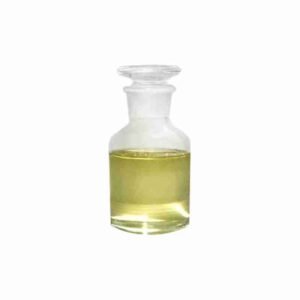
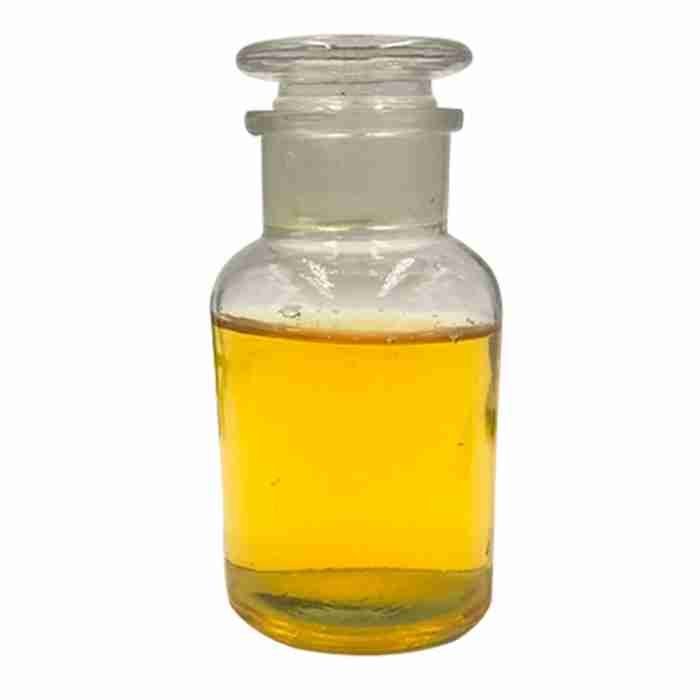
form liquid
color yellow
Specific Gravity 1.388
Water Solubility Insoluble in water. Soluble in hydrocarbon solvents, alcohols, ether, acetone
Sensitive Air Sensitive
Merck 14,6223
Exposure limits ACGIH: TWA 0.2 mg/m3 (Skin)
OSHA: Ceiling 5 mg/m3
NIOSH: IDLH 500 mg/m3; TWA 0.2 mg/m3; TWA 1 mg/m3; STEL 3 mg/m3
Stability: Stable. Incompatible with strong oxidizing agents.
InChIKey LYHJNAIHGFWRKM-UHFFFAOYSA-N
LogP 3.4 at 26??
CAS DataBase Reference 12108-13-3(CAS DataBase Reference)
EPA Substance Registry System Methylcyclopentadienyl manganese tricarbonyl (12108-13-3)
Safety Information
Hazard Codes T,N,T+
Risk Statements 23/24/25-40-50/53-48/23-38-26-24/25
Safety Statements 23-26-36/37/39-45-61-60-36/37-28
RIDADR UN 3281 6.1/PG 2
OEB C
OEL TWA: 0.2 mg/m3 [skin]
WGK Germany 3
RTECS OP1450000
TSCA Yes
HazardClass 6.1
PackingGroup II
Hazardous Substances Data 12108-13-3(Hazardous Substances Data)
Toxicity LD50 orally in mice, guinea pig, rabbit: 352; 905; 95 mg/kg; orally in male, female rats: 175 ??33; 89 ??14; LC50 inhalation in rat: 0.22 mg/l (Stara)
Industry Solutions

Designed for Modern Chemical Industry

Meeting the demands of dual-carbon goals with green, efficient new material solutions.

โš—๏ธ

New Catalysts

High-performance catalysts for energy-efficient chemical processes

๐ŸŒฑ

Eco-friendly Materials

Bio-based and biodegradable materials for sustainable manufacturing

๐Ÿ”ฉ

Special Polymers

High-performance polymers for demanding industrial applications

๐Ÿค

Custom R&D

Collaborative development from concept to commercial production

Our Cooperation Process

From your initial inquiry to long-term technical partnership -- a transparent, efficient workflow.

๐Ÿ“‹
01 Submit Requirement
๐Ÿ”
02 Technical Evaluation
๐Ÿงช
03 Sample Testing
โš™๏ธ
04 Formula Optimization
๐Ÿญ
05 Trial Production
๐Ÿš€
06 Mass Delivery & Support

Request a Quote

Tell us your requirements and our technical team will respond within 24 hours.

By submitting, you agree to our privacy policy.

Related Products

Chemical Minerals

Bentonite, sodian CAS#85049-30-5

Bentonite, sodium-activated, is a type of clay rich in montmorillonite minerals, which undergoes a process to increase its sodium content. This alteration enhances its swelling and adsorptive properties, making it a highly effective thickener and gel-forming agent. Sodium bentonite is widely used in drilling muds, foundry sands, and as a binder in various industrial applications. Its ability to absorb liquids and form stable gels makes it invaluable in cosmetics, agriculture, and as a component in the manufacturing of ceramics and paper products.

View Details
Petroleum Additives

1-Octanol CAS#111-87-5

1-Octanol, also known as Capryl alcohol or n-Octanol, is a clear, colorless liquid with a characteristic waxy odor. It is an alcohol with eight carbon atoms in its chain, making it a part of the aliphatic alcohol family. This compound is poorly soluble in water but is miscible with ethanol, diethyl ether, and chloroform . It has a melting point of approximately -15??C and a boiling point of around 196??C . 1-Octanol is used in the production of esters, plasticizers, and as a solvent or intermediate in the synthesis of various organic compounds. It also finds application in the fragrance industry as a fixative in perfumes and can be used in the formulation of flavor and scent compositions . It is important to note that 1-Octanol is flammable and should be handled with care, storing it away from sources of ignition and heat .

View Details
Daily Chemicals

Osthole CAS# 484-12-8

Osthole belongs to coumarin compounds. It is prismatic-like crystals (diethyl ether) and needle-like crystals (Ethanol) with the melting point being 83~84 ?? and the boiling point being 145~150 ??. It is soluble in alkaline solution, methanol, ethanol, chloroform, acetone, ethyl acetate, and boiling petroleum ether but insoluble in water and petroleum ether. Osthole has various kinds of effects of antispasmodic, hypotensive, anti-arrhythmic and enhancing immune function and broad-spectrum antimicrobial effect. Osthole can not only have efficacy such as anti-hypertensive, anti-arrhythmic, anti-inflammatory, anti-tumor and anti-osteoporosis effect, but can also act as a new type of biological pesticides with significant efficacy in treating pests and plant pathogens.

View Details