Lauryl glucoside CAS#110615-47-9

Lauryl glucoside CAS#110615-47-9

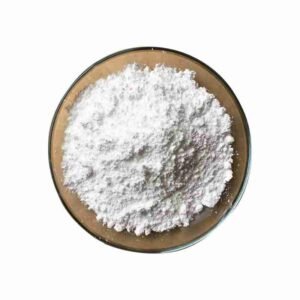
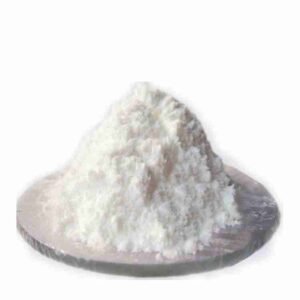
Lauryl Glucoside is an eco-conscious non-ionic surfactant, derived from sustainable lauric acid and glucose. It offers superior mildness and biodegradability, making it an ideal choice for formulating gentle and effective cleaning agents in personal care and household products. Its bio-based nature aligns with the growing demand for green chemistry solutions.

Quality Certified
Technical Support
Custom R&D

Product Details

Lauryl Glucoside is an eco-conscious non-ionic surfactant, derived from sustainable lauric acid and glucose. It offers superior mildness and biodegradability, making it an ideal choice for formulating gentle and effective cleaning agents in personal care and household products. Its bio-based nature aligns with the growing demand for green chemistry solutions.

Description

Lauryl glucoside Chemical Properties
Boiling point 301?? at 101.3kPa
density 1.16 at 20??
vapor pressure 0.008Pa at 20??
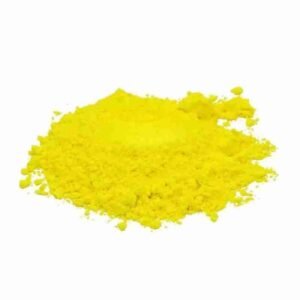
form Solid
InChI InChI=1/C18H36O6/c1-2-3-4-5-6-7-8-9-10-11-12-23-18-17(22)16(21)15(20)14(13-19)24-18/h14-22H,2-13H2,1H3/t14-,15-,16+,17-,18?/s3
InChIKey PYIDGJJWBIBVIA-KGFPCJIYNA-N
SMILES O(CCCCCCCCCCCC)C1O[C@H](CO)[C@@H](O)[C@H](O)[C@H]1O |&1:15,18,20,22,r|
LogP -0.07 at 20??
Surface tension 29.5mN/m at 1g/L and 23??
EPA Substance Registry System D-Glucopyranose, oligomeric, C10-16-alkyl glycosides (110615-47-9)
Industry Solutions

Designed for Modern Chemical Industry

Meeting the demands of dual-carbon goals with green, efficient new material solutions.

โš—๏ธ

New Catalysts

High-performance catalysts for energy-efficient chemical processes

๐ŸŒฑ

Eco-friendly Materials

Bio-based and biodegradable materials for sustainable manufacturing

๐Ÿ”ฉ

Special Polymers

High-performance polymers for demanding industrial applications

๐Ÿค

Custom R&D

Collaborative development from concept to commercial production

Our Cooperation Process

From your initial inquiry to long-term technical partnership -- a transparent, efficient workflow.

๐Ÿ“‹
01 Submit Requirement
๐Ÿ”
02 Technical Evaluation
๐Ÿงช
03 Sample Testing
โš™๏ธ
04 Formula Optimization
๐Ÿญ
05 Trial Production
๐Ÿš€
06 Mass Delivery & Support

Request a Quote

Tell us your requirements and our technical team will respond within 24 hours.

By submitting, you agree to our privacy policy.

Related Products

Ploymers

Chlorinated paraffin CAS#63449-39-8

Chlorinated paraffin is a family of industrial chemicals produced by adding chlorine to paraffin wax. These waxy solids are valued for their flame retardant properties, making them widely used in plastics, rubber, textiles, and cable insulation. They are categorized into short-chain, medium-chain, and long-chain types, each with varying chlorine content and applications. Chlorinated paraffins provide enhanced fire safety in various products, but their environmental persistence and potential toxicity are subjects of regulatory concern.

View Details
Petroleum Additives

1-Octanol CAS#111-87-5

1-Octanol, also known as Capryl alcohol or n-Octanol, is a clear, colorless liquid with a characteristic waxy odor. It is an alcohol with eight carbon atoms in its chain, making it a part of the aliphatic alcohol family. This compound is poorly soluble in water but is miscible with ethanol, diethyl ether, and chloroform . It has a melting point of approximately -15??C and a boiling point of around 196??C . 1-Octanol is used in the production of esters, plasticizers, and as a solvent or intermediate in the synthesis of various organic compounds. It also finds application in the fragrance industry as a fixative in perfumes and can be used in the formulation of flavor and scent compositions . It is important to note that 1-Octanol is flammable and should be handled with care, storing it away from sources of ignition and heat .

View Details
Daily Chemicals

Lactobionic acid CAS#96-82-2

Lactobionic acid is a naturally occurring, high molecular weight sugar acid derived from lactose, known for its multifaceted applications in the pharmaceutical and cosmetic industries. With the chemical formula C18H32O12, it is a reducing sugar that forms a component of the milk sugar lactose. This water-soluble compound is celebrated for its antioxidant and chelating properties, which make it an effective ingredient in skincare products, particularly for its ability to protect the skin from oxidative stress and environmental aggressors. Lactobionic acid is also recognized for its gentle exfoliating action, as it can help to remove dead skin cells and promote cell renewal without causing irritation. Moreover, its acidic nature contributes to its use as a pH adjuster in formulations, helping to maintain the skin's natural acid mantle. Lactobionic acid is also valued for its ability to complex with metal ions, providing stability to products and enhancing the performance of other active ingredients. <p class="last-node">In summary, lactobionic acid is a versatile ingredient in skincare, offering antioxidant benefits, promoting skin renewal, and providing a stable platform for product formulation. Its gentle yet effective properties make it suitable for a wide range of skin types and applications.</p>

View Details