Chlorinated paraffin CAS#63449-39-8

Chlorinated paraffin CAS#63449-39-8

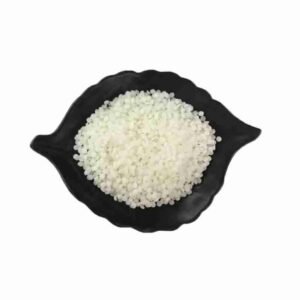
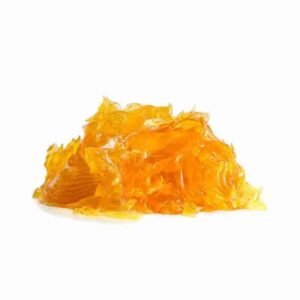
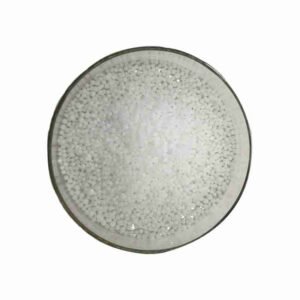
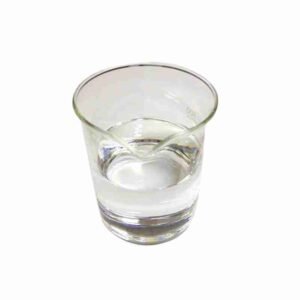
Chlorinated paraffin is a family of industrial chemicals produced by adding chlorine to paraffin wax. These waxy solids are valued for their flame retardant properties, making them widely used in plastics, rubber, textiles, and cable insulation. They are categorized into short-chain, medium-chain, and long-chain types, each with varying chlorine content and applications. Chlorinated paraffins provide enhanced fire safety in various products, but their environmental persistence and potential toxicity are subjects of regulatory concern.

Quality Certified
Technical Support
Custom R&D

Product Details

Chlorinated paraffin is a family of industrial chemicals produced by adding chlorine to paraffin wax. These waxy solids are valued for their flame retardant properties, making them widely used in plastics, rubber, textiles, and cable insulation. They are categorized into short-chain, medium-chain, and long-chain types, each with varying chlorine content and applications. Chlorinated paraffins provide enhanced fire safety in various products, but their environmental persistence and potential toxicity are subjects of regulatory concern.
Category: Tag:

Description

Chlorinated paraffin

Chlorinated paraffin Chemical Properties
Melting point 95-110
Boiling point 413-508??
density 1.387?g/mL?at 20???C(lit.)
refractive index n20/D?1.525
Fp 392
solubility tetrahydrofuran: 0.1?g/mL, clear
form Powder
LogP 5.88-12.83 at 18.7-20?? and pH6-7
EPA Substance Registry System Chlorinated paraffin waxes and hydrocarbon waxes (63449-39-8)
Safety Information
Safety Statements 23-24/25
WGK Germany 3
TSCA TSCA listed
Hazardous Substances Data 63449-39-8(Hazardous Substances Data)
Industry Solutions

Designed for Modern Chemical Industry

Meeting the demands of dual-carbon goals with green, efficient new material solutions.

โš—๏ธ

New Catalysts

High-performance catalysts for energy-efficient chemical processes

๐ŸŒฑ

Eco-friendly Materials

Bio-based and biodegradable materials for sustainable manufacturing

๐Ÿ”ฉ

Special Polymers

High-performance polymers for demanding industrial applications

๐Ÿค

Custom R&D

Collaborative development from concept to commercial production

Our Cooperation Process

From your initial inquiry to long-term technical partnership -- a transparent, efficient workflow.

๐Ÿ“‹
01 Submit Requirement
๐Ÿ”
02 Technical Evaluation
๐Ÿงช
03 Sample Testing
โš™๏ธ
04 Formula Optimization
๐Ÿญ
05 Trial Production
๐Ÿš€
06 Mass Delivery & Support

Request a Quote

Tell us your requirements and our technical team will respond within 24 hours.

By submitting, you agree to our privacy policy.

Related Products

Ploymers

WANG RESIN CAS#201058-08-4

Wang Resin is a versatile support for solid-phase peptide synthesis, offering chemical stability and high cross-linking. It features a microporous structure for efficient reactant diffusion, making it ideal for immobilizing acids and phenols. Its moderate acid stability ensures easy cleavage with TFA, facilitating the synthesis of peptides with a free carboxyl group at the C-terminus.

View Details
Daily Chemicals

N,N-Diethyl-m-toluamide CAS#134-62-3

N,N-Diethyl-m-toluamide, commonly known as DEET, is a widely recognized synthetic compound that serves as the active ingredient in numerous insect repellent products. DEET is characterized by its efficacy in deterring and repelling a variety of insects, including mosquitoes, ticks, and flies, which are known vectors for diseases such as malaria, Lyme disease, and Zika virus. Chemically, DEET is an amide with the molecular formula C12H19NO. It was first developed in 1946 and has since become the benchmark against which other insect repellents are measured. DEET works by targeting the olfactory receptors of insects, masking the scent of humans and animals, which are typically attractive to these pests. This compound is valued for its long-lasting protection and stability under various environmental conditions. It is available in various formulations, including sprays, lotions, and creams, and can be applied topically to skin or clothing. DEET is also known for its compatibility with other active ingredients, allowing for the development of multi-purpose products. <p class="last-node">In summary, DEET is a reliable and effective insect repellent, widely used for its ability to provide durable protection against disease-carrying insects. Its chemical properties and formulation flexibility make it a staple in the field of personal insect protection.</p>

View Details
Daily Chemicals

Tetraacetylethylenediamine CAS#10543-57-4

Tetraacetylethylenediamine is a fully acetylated derivative of ethylenediamine, offering a high reactivity as an intermediate in organic synthesis. Its unique structure makes it a critical component in the production of specialty chemicals and pharmaceuticals, ensuring a wide range of applications in the chemical industry.

View Details