

For industrial manufacturing and laboratory research purposes only.
Product Specifications
| Parameter | Value |
|---|---|
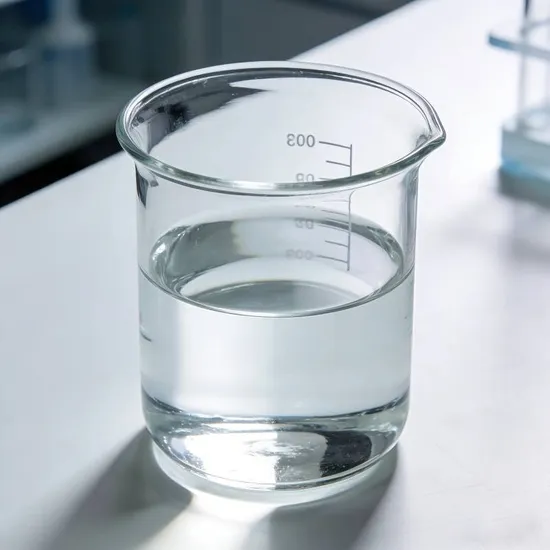
| Color | Colorless Transparent Liquid |
| Appearance | Liquid |
| Type | Industrial Cleaning Chemicals |
| Product Name | Special Cleaning Agent for Plate Heat Exchangers |
| Specific Gravity (25°C, G/Cm³) | ≥1.15 |
| pH | Less Than 1.5 |
| Transport Package | Plastic Bucket |
| Specification | 25Kg |
| Trademark | GIDINEW |
| Origin | Jining City, Shandong Province |
| Package Size | 120.00cm * 100.00cm * 115.00cm |
| Package Gross Weight | 1057.000kg |
Overcoming Heat Exchanger Efficiency Loss with Industrial Plate Heat Exchanger Cleaning Agent
In industrial operations, heat exchanger scaling causes 15-20% energy loss annually, while traditional descaling agents often leave harsh odors or require extended downtime. Our 10+ years working with manufacturing plants and research facilities has shown that R&D timelines and production schedules suffer equally from inefficient cleaning solutions—whether it's delayed trials due to unavailable small-batch cleaners or production halts from equipment corrosion.
Small Batch, Fast Delivery Heat Exchanger Cleaning Solution
Our Industrial Plate Heat Exchanger Cleaning Agent addresses these challenges through a specialized formulation designed for both emergency maintenance and R&D testing. As a fast-response chemical service provider, we deliver small-batch orders within 7-15 days, eliminating the frustration of minimum order quantities that leave labs and pilot plants with excess inventory. The odorless, environment friendly formula ensures safe handling in confined research spaces while meeting industrial safety standards.
Industrial Applications & Use Cases
This Heat Exchanger Cleaner is engineered for plate heat exchangers in chemical processing, food and beverage production, pharmaceutical manufacturing, and HVAC systems. Its efficient descaling action removes calcium carbonate, sulfate, and oxide deposits without damaging delicate plate surfaces, making it ideal for both routine maintenance and emergency scale removal in critical research equipment.
Key Properties for Optimal Performance
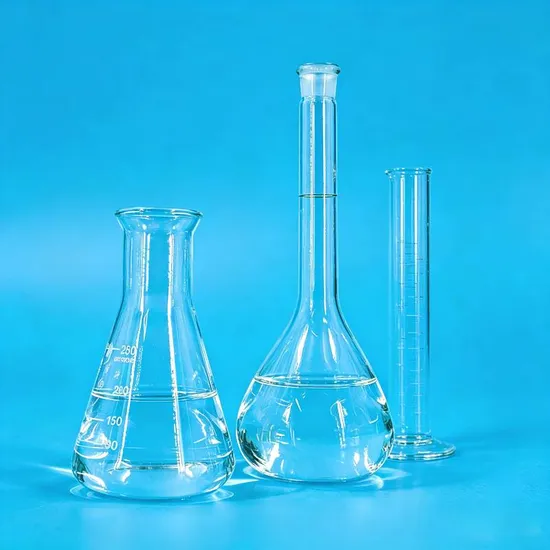
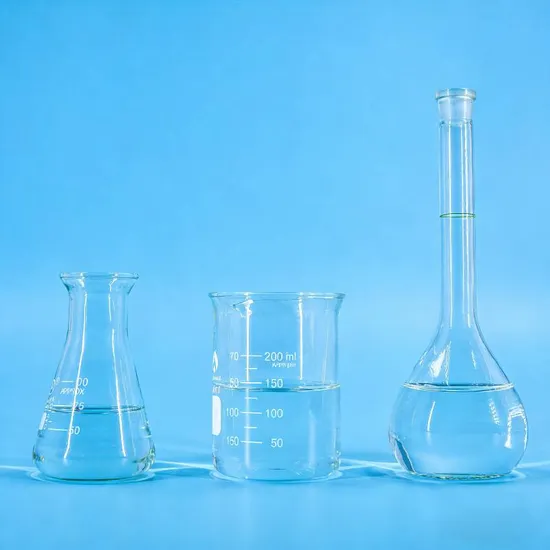
The colorless transparent liquid form allows visual monitoring of descaling progress, while the high specific gravity (≥1.15) ensures optimal contact time with vertical heat exchanger plates. With a pH less than 1.5, the formula delivers rapid scale dissolution without requiring prolonged circulation—reducing equipment downtime by up to 40% compared to neutral pH alternatives. The liquid consistency ensures easy mixing and application through standard cleaning systems, maintaining process compatibility in both laboratory and industrial settings.
Benefits of Environment Friendly Descaling Technology
Choosing our Odorless Descaling Agent reduces environmental impact compared to solvent-based alternatives, aligning with modern industrial sustainability goals. The formula's low volatility minimizes workplace exposure risks, while its biodegradable components simplify waste disposal—critical factors for facilities adhering to strict environmental regulations. Unlike corrosive alternatives, our balanced pH formulation protects heat exchanger materials, extending equipment lifespan and reducing long-term replacement costs.
Quality Assurance & Supply Reliability
Every batch of our Customized Heat Exchanger Cleaning Solution undergoes rigorous testing, including specific gravity verification and pH analysis, with results documented in a Certificate of Analysis (COA) provided with each order. Our manufacturing process follows ISO 9001 standards, ensuring consistent performance across batches. With factory direct supply capabilities, we maintain production flexibility to fulfill both urgent orders and scheduled maintenance requirements, supported by a professional customer service team available 24/7 to address technical inquiries.
Certificate of Analysis & Documentation
Each shipment includes a batch-specific COA detailing test results for key parameters including pH, specific gravity, and appearance. MSDS documents are provided to ensure proper handling and storage, with additional technical data available upon request for regulatory compliance or safety audits. These documents support integration into quality management systems for both industrial production and research environments.
Storage & Handling
- Store in a cool, dry, well-ventilated area, sealed and away from direct sunlight.
- Keep away from incompatible materials, food and feed sources.
- Handle with appropriate personal protective equipment (gloves, goggles, lab coat).
- Follow good industrial hygiene practices. Avoid inhalation and skin contact.
- Refer to MSDS for detailed storage and safety instructions.
Streamlined Order Process for Your Convenience
Initiate your order by submitting specifications for your heat exchanger system and required quantity, with our team providing a detailed quotation within 24 hours. For first-time users, small sample quantities are available for compatibility testing. Once confirmed, production begins immediately, with shipment via fastest logistics to meet your timeline requirements. All orders include full documentation and dedicated after-sales support to ensure optimal cleaning results.
Frequently Asked Questions
Q: What is the shelf life of the cleaning agent?
A: When stored in original sealed containers under recommended conditions, the product maintains stability for 12 months from the date of manufacture.
Q: Can this product be used in food-grade heat exchangers?
A: This product is for industrial and laboratory use only. For food contact applications, additional rinsing and validation are required as per specific industry regulations.
Q: What documentation is provided with each order?
A: Each shipment includes a Certificate of Analysis (COA) and Material Safety Data Sheet (MSDS) specific to the batch.
Q: Is custom packaging available for small research quantities?
A: Yes, we offer flexible packaging options for small-batch orders to meet laboratory research needs—contact our team to discuss specific requirements.
Q: How does the pH level affect material compatibility?
A: The pH less than 1.5 is optimized for descaling efficiency while being compatible with standard heat exchanger materials. We recommend consulting the MSDS for compatibility with specialized alloys.