



For industrial manufacturing and laboratory research purposes only.
Product Specifications
| Parameter | Value |
|---|---|
| Color | Colorless or Light Yellow Liquid |
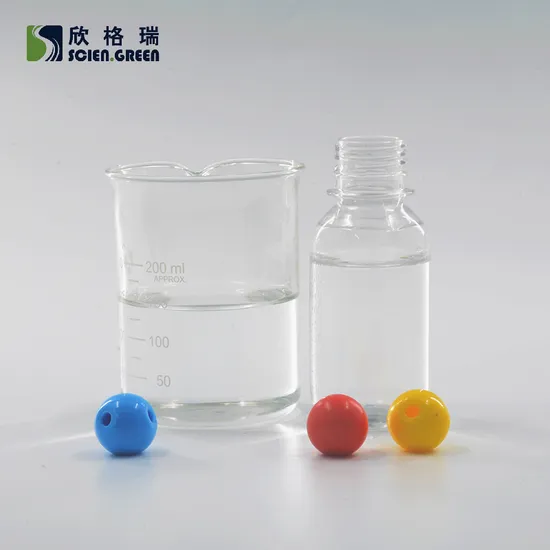
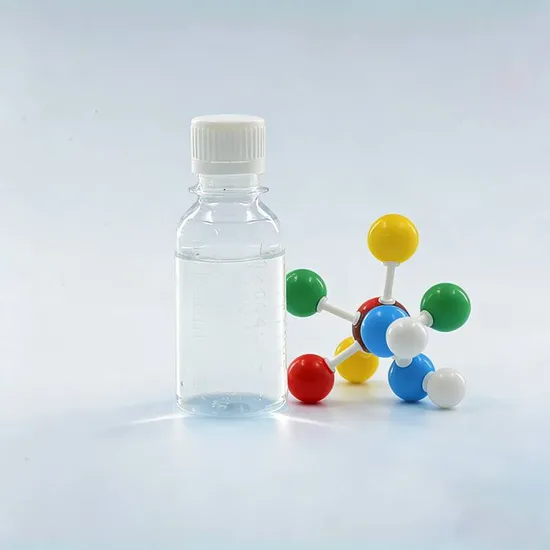
| Appearance | Liquid |
| Type | Industrial Circulating Water Treatment Agent |
| Product Name | Non-Oxidizing Bactericidal Algaecide |
| Density (20°C) (G/Cm³) | 0.9~1.1 |
| pH (1% Aqueous Solution) | ≤8.0 |
| Active Substance Content( %) | ≥16.0 |
| Transport Package | Plastic Bucket |
| Specification | 25kg |
| Trademark | GIDINEW |
| Origin | Jining City, Shandong Province |
| Package Size | 120.00cm * 100.00cm * 115.00cm |
| Package Gross Weight | 1054.000kg |
Overcoming Industrial Circulating Water Treatment Challenges with Quaternary Ammonium Salt Solutions
For over a decade in industrial water treatment, we've witnessed how traditional bactericidal algaecides often fail to balance efficacy and system compatibility—either causing corrosion to heat exchange equipment or losing effectiveness in high-hardness water. Research laboratories and manufacturing plants alike struggle with inconsistent microbial control that disrupts R&D timelines and production efficiency, while emergency orders frequently face the double hurdle of minimum order quantities and prolonged delivery cycles.
Recirculating Water Treatment Quaternary Ammonium Salt: A Targeted Solution
Our Recirculating Water Treatment Quaternary Ammonium Salt Non-Oxidizing Bactericidal Algaecide addresses these critical pain points through a specialized formulation designed for industrial circulating systems. With a flexible production system capable of delivering small-batch orders within 7-15 days and 24-hour response to urgent demands, we ensure that both research trials and emergency production needs are met without compromising on quality or timeliness.
Industrial Applications of Quaternary Ammonium Salt Algaecide
This non-oxidizing bactericidal algaecide finds extensive use in cooling towers, closed-loop circulating systems, and industrial water recirculation processes across sectors including chemical manufacturing, power generation, and automotive production. Its ability to control bacteria, algae, and slime formation without reacting with ammonia or organic matter makes it particularly valuable for maintaining system efficiency in complex water environments.
Key Specifications Ensuring Performance Reliability
The active substance content of ≥16.0% guarantees robust microbial control even in challenging water conditions, while the pH range (≤8.0 in 1% aqueous solution) ensures compatibility with common system materials. Density (0.9~1.1 g/cm³ at 20°C) allows for easy dilution and uniform dispersion, critical for consistent treatment across large-volume systems. These specifications are not arbitrary—they directly translate to reduced downtime from biofouling, lower maintenance costs, and extended equipment lifespan.
Benefits of Our Non-Oxidizing Algaecide for Industrial Systems
Choosing a high-quality quaternary ammonium salt bactericidal algaecide minimizes the risks associated with inferior products, such as incomplete microbial control leading to biofilm formation or chemical interactions that degrade system components. Our adherence to strict manufacturing standards ensures batch-to-batch consistency, eliminating the variability that can derail research projects or production runs. For long-term operations, this translates to stable treatment costs and predictable system performance.
Quality Assurance You Can Verify
Every batch of our bactericidal algaecide undergoes comprehensive testing, including active ingredient quantification and pH verification, with results documented in a Certificate of Analysis (COA) provided with each shipment. Our factory-direct supply chain ensures traceability from raw material sourcing to final packaging, while our 10+ years of experience serving 50+ countries means we understand the regulatory requirements of diverse industrial markets.
Certificate of Analysis & Documentation
Each delivery includes a batch-specific COA and Material Safety Data Sheet (MSDS), detailing handling precautions and technical specifications. For research institutions requiring additional validation, specific test results can be provided upon request to support method development and compliance documentation.
Storage & Handling
- Store in a cool, dry, well-ventilated area, sealed and away from direct sunlight.
- Keep away from incompatible materials, food and feed sources.
- Handle with appropriate personal protective equipment (gloves, goggles, lab coat).
- Follow good industrial hygiene practices. Avoid inhalation and skin contact.
- Refer to MSDS for detailed storage and safety instructions.
Streamlined Order Process for Industrial and Research Needs
To place an order, simply submit your requirements through our contact channels, and our technical team will provide a detailed quotation within 24 hours. For research purposes, small-batch samples are available to verify compatibility with your specific system conditions before full-scale procurement. All orders include comprehensive logistics tracking and post-delivery support.
Frequently Asked Questions
Q: What is the recommended storage period for this product?
A: When stored in original unopened packaging under recommended conditions, the product maintains stability for 12 months from the date of manufacture.
Q: Is this product suitable for use in food processing facilities?
A: This product is for industrial and laboratory research use only and should not be used in direct contact with food processing equipment or food-grade water systems.
Q: What documentation is provided with each shipment?
A: Each order includes a Certificate of Analysis (COA) and Material Safety Data Sheet (MSDS) specific to the batch.
Q: Can the packaging size be customized for small research orders?
A: Yes, we offer flexible packaging options including 25kg plastic buckets to accommodate small-batch research and trial requirements.
Q: How is the active substance content verified?
A: Active substance content is determined via titration methods following standard industrial protocols, with results reported in the batch-specific COA.