
For industrial manufacturing and laboratory research purposes only.
Product Specifications
| Parameter | Value |
|---|---|
| Color | Colorless or Light Yellow |
| Appearance | Liquid |
| Type | Industrial Circulating Water Treatment Agent |
| Density (20°C) G/Cm³ | 0.9~1.1 |
| pH (1% Aqueous Solution) | ≤8.0 |
| Active Substance Content( %) | ≥16.0 |
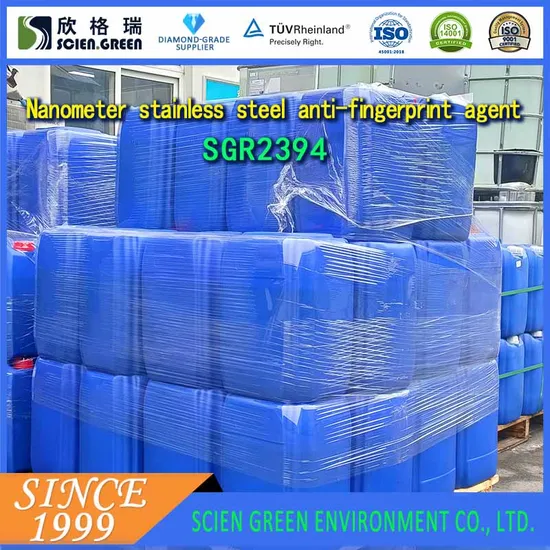
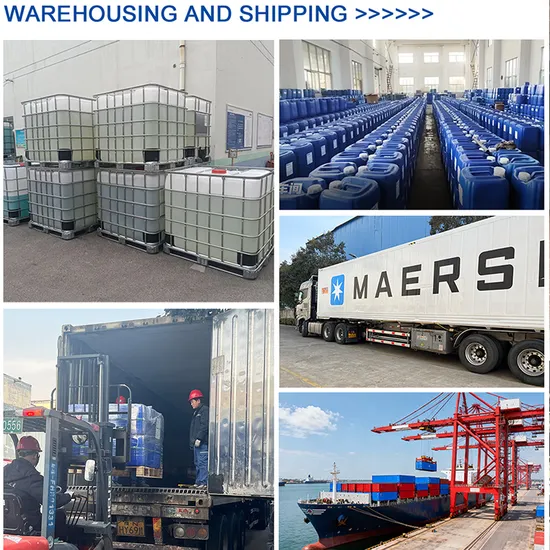
| Transport Package | Blue /White Plastics Drum |
| Specification | 25 kg/200kg/ 1ton drum |
| Trademark | GIDINEW |
| Origin | Jining City, Shandong Province, China |
| Production Capacity | 15000 Ton/Year |
| Package Size | 120.00cm * 100.00cm * 115.00cm |
| Package Gross Weight | 1057.000kg |
Overcoming Slime Control Challenges in Circulating Cooling Systems with Quaternary Ammonium Salt Biocide Algicide
For over a decade, we've witnessed countless industrial operations struggle with cooling water systems clogged by slime buildup, leading to reduced heat exchange efficiency and costly downtime. Research laboratories testing water treatment formulations often face the frustration of inconsistent biocide performance due to varying active ingredient concentrations, while small-scale manufacturers are forced to over-order from traditional suppliers with rigid minimum purchase requirements.
Efficient Slime Control Solution for Industrial and Laboratory Applications
Our Quaternary Ammonium Salt Biocide Algicide addresses these critical pain points with a precisely formulated solution designed for both industrial circulating cooling water systems and laboratory research. With an active substance content of ≥16.0%, this liquid biocide delivers reliable slime control performance while our flexible production system accommodates small-batch orders from 25kg drums up to ton-scale quantities, ensuring you only purchase what you need.
Industrial Applications of Circulating Water Slime Control Agent
This Cooling Water Algicide finds essential use in industrial circulating cooling water systems across power generation, chemical processing, and manufacturing facilities, effectively inhibiting microbial growth and slime formation to maintain system efficiency. In laboratory settings, it serves as a controlled biocidal agent for researching water treatment formulations and microbial inhibition mechanisms, providing consistent results for experimental validation.
Key Specifications Ensuring Optimal Performance
The active substance content of ≥16.0% guarantees effective biocidal activity, while the pH ≤8.0 (1% aqueous solution) ensures compatibility with most cooling water systems without causing corrosion issues. The density range of 0.9~1.1 g/cm³ at 20°C allows for easy dosing and mixing, ensuring uniform distribution in water systems. These precise specifications work together to provide predictable slime control performance, reducing the risk of unexpected system failures or experimental inconsistencies.
Benefits of Reliable Slime Control Agent Supply
Using our Quaternary Ammonium Salt Biocide ensures stable cooling system operation with reduced maintenance costs, directly impacting your bottom line through improved energy efficiency and extended equipment lifespan. In contrast, inconsistent biocides can lead to sudden slime outbreaks requiring emergency shutdowns. Our production capacity of 15,000 tons/year guarantees long-term supply stability, eliminating the risk of project delays due to material shortages, a common issue with smaller suppliers.
Quality Assurance You Can Trust
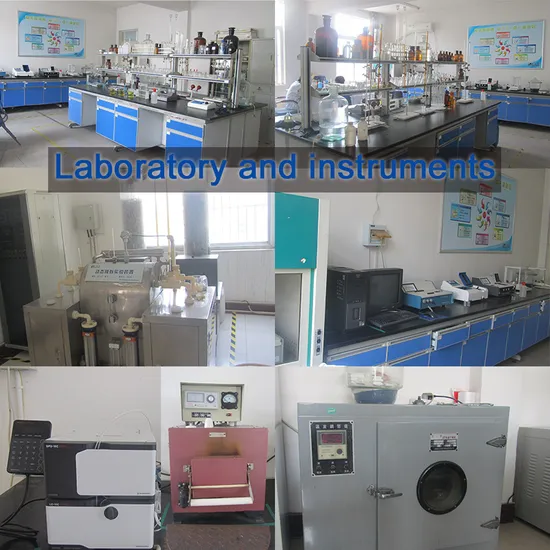
Every batch of our Circulating Water Slime Control Agent undergoes rigorous quality testing, including active ingredient verification and pH measurement, to ensure compliance with stated specifications. We provide a Certificate of Analysis with each shipment, documenting key parameters for your quality records. Our production facility follows strict manufacturing protocols, and we stand behind our product with a satisfaction guarantee – if specifications are not met, we will replace the product at no cost.
Certificate of Analysis & Documentation
Each drum is accompanied by a batch-specific Certificate of Analysis detailing test results for active substance content, pH, density, and appearance. Material Safety Data Sheets (MSDS) are provided to ensure proper handling and storage. For research and quality control purposes, additional testing data can be requested for specific batches.
Storage & Handling
- Store in a cool, dry, well-ventilated area, sealed and away from direct sunlight.
- Keep away from incompatible materials, food and feed sources.
- Handle with appropriate personal protective equipment (gloves, goggles, lab coat).
- Follow good industrial hygiene practices. Avoid inhalation and skin contact.
- Refer to MSDS for detailed storage and safety instructions.
Simple Order Process for Your Slime Control Needs
To order our Quaternary Ammonium Salt Biocide Algicide, simply contact our technical sales team with your required quantity and delivery timeline. We offer sample testing for laboratory evaluation and can accommodate both small-batch research orders and large-scale industrial requirements. All orders include comprehensive documentation and technical support to ensure proper application.
Frequently Asked Questions
Q: What is the shelf life of this biocide algicide?
A: When stored properly in sealed containers under recommended conditions, the product has a shelf life of 12 months from the date of manufacture.
Q: Can this product be used in food processing facilities?
A: No, this product is for industrial and laboratory research use only and should not be used in food processing or preparation areas.
What documentation is provided with each order?
Each shipment includes a Certificate of Analysis (COA) and Material Safety Data Sheet (MSDS) specific to the batch.
Q: Do you offer custom packaging options?
A: Standard packaging includes 25kg, 200kg, and 1ton drums. Custom packaging may be available for large-volume orders; please contact our sales team for details.
Q: How is the active substance content verified?
A: Active substance content is determined through titration methods following standard industrial analysis protocols, with results documented in the batch COA.