

For industrial manufacturing and laboratory research purposes only.
Product Specifications
| Parameter | Value |
|---|---|
| Model NO. | SGR-1825W |
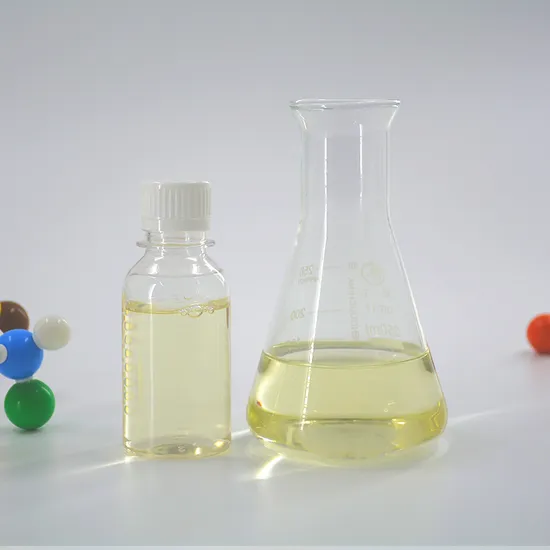
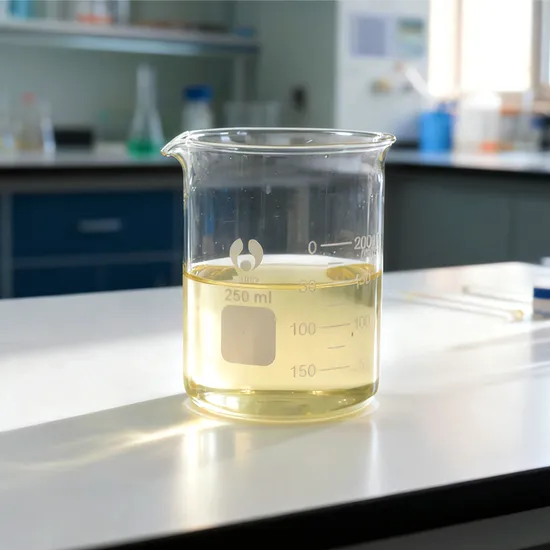
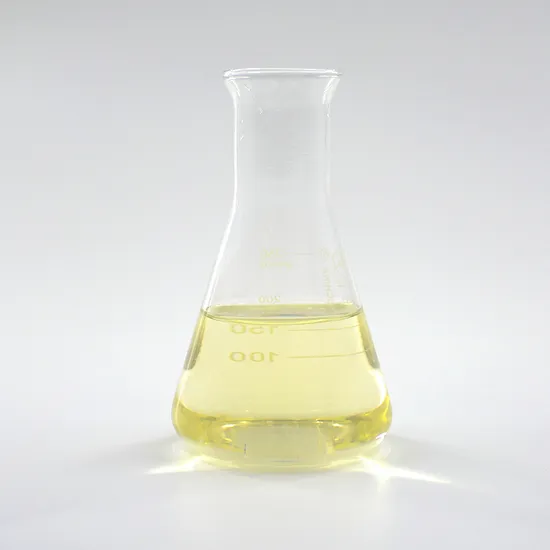
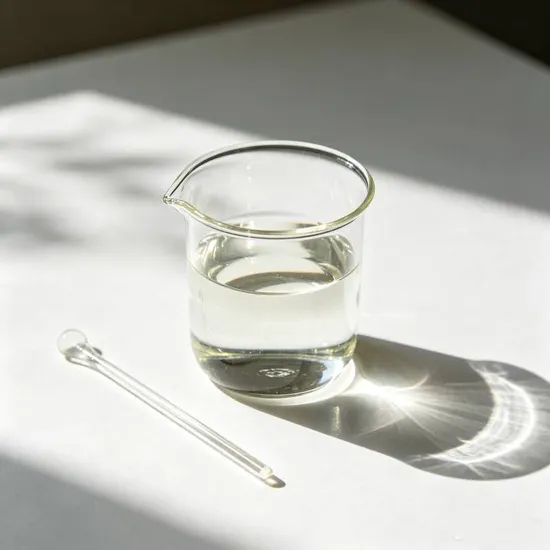
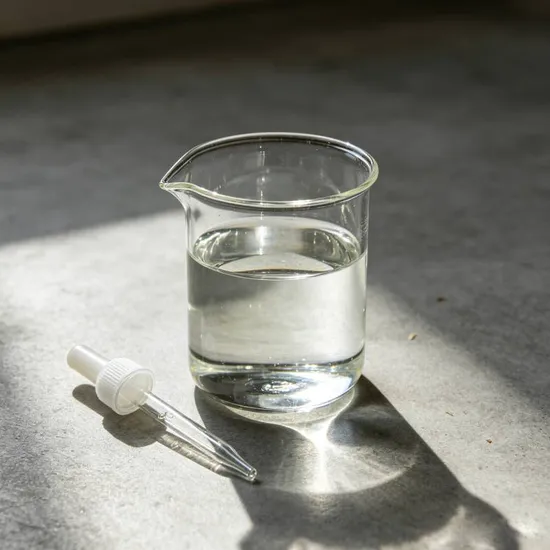
| Color | Colorless Transparent Viscous Liquid |
| Appearance | Liquid |
| Type | Defoamer |
| Shelf Life | One Year |
| pH | 7—8 |
| Emulsion Ionic Type | Non-Ionic |
| Viscosity | 100~800MPa.S |
| Transport Package | Blue Plastics Drum, White Plastics Drum |
| Specification | 25 kg/drum 1 ton/drum or as your requirement |
| Trademark | Scien Green |
| Origin | Jining City, Shandong Province, China |
| HS Code | 3402420000 |
| Production Capacity | 3000ton/Year |
| Package Size | 120.00cm * 100.00cm * 115.00cm |
| Package Gross Weight | 1057.000kg |
Eliminate Foam Disruptions in Textile Printing Dyeing with SGR-1825W Textile Defoamer
For over a decade in chemical manufacturing, we've witnessed textile plants struggle with foam-related defects—uneven dye distribution, surface imperfections, and production delays caused by substandard defoamers. Research laboratories developing new dye formulations often face similar challenges when scaling up processes, where foam stability can compromise experimental reproducibility and waste valuable materials.
A Stable and Reliable Textile Defoamer Solution
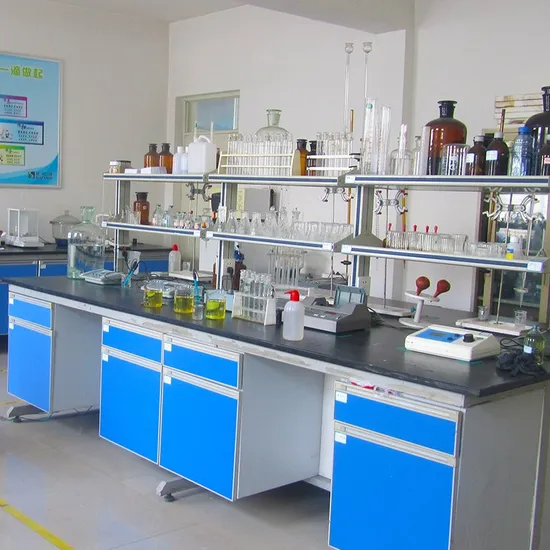
Our Textile Printing Dyeing Defoamer SGR-1825W addresses these critical pain points with a non-ionic, colorless transparent viscous liquid formulation engineered for fast-acting foam control. As a laboratory-focused chemical service provider, we understand the urgency of R&D timelines and small-batch production needs, which is why we guarantee 24-hour response to inquiries and 7-15 day delivery for custom orders—eliminating the long lead times that plague traditional bulk suppliers.
Industrial Applications in Textile Processing
This specialized Textile Defoamer is designed for integration into water-based printing pastes, dye baths, and finishing solutions across cotton, polyester, and blended fabric production. Its non-ionic nature ensures compatibility with anionic and cationic dyeing auxiliaries, making it suitable for high-temperature jet dyeing, pad-dyeing, and digital printing processes. The formulation maintains stability across pH 7-8, a common range in textile chemical systems, without affecting color development or fabric hand feel.
Key Specifications Driving Performance
The 100~800MPa.S viscosity range of SGR-1825W balances immediate foam knockdown with long-term suppression—critical for continuous dyeing operations where foam reformation can occur. Its colorless transparent appearance prevents staining on light-colored fabrics, a common issue with pigmented defoamers. The one-year shelf life ensures laboratories and small-scale producers can maintain inventory without efficacy loss, while the non-ionic emulsion type minimizes interaction with dye molecules, preserving color fastness results.
Benefits of Using SGR-1825W Printing Defoamer
Choosing a high-quality Dyeing Defoamer like SGR-1825W reduces material waste by up to 15% compared to generic defoamers, as its targeted action eliminates over-application. Unlike low-cost alternatives that may contain volatile organic compounds, our formulation meets REACH compliance standards for textile auxiliaries, supporting export-oriented manufacturers. The flexible packaging options (25kg drums to 1-ton containers) accommodate both laboratory trials and full-scale production, ensuring consistent performance across scale-up stages.
Quality Assurance You Can Verify
Every batch of SGR-1825W undergoes rigorous testing including viscosity measurement via rotational viscometry, pH analysis, and emulsion stability testing at 50°C for 72 hours. We provide a Certificate of Analysis with each delivery, detailing key parameters against specification ranges. Our production facility maintains ISO9001 certification, with a 3000-ton annual capacity ensuring supply continuity even during peak demand periods. If technical questions arise, our team of chemical engineers offers direct support to optimize defoamer dosage for specific dyeing processes.
Certificate of Analysis & Documentation
Each shipment includes a batch-specific Certificate of Analysis and MSDS, with detailed test records available upon request. For research institutions requiring additional documentation, we can provide stability data under various storage conditions and compatibility reports with common textile chemicals.
Storage & Handling
- Store in a cool, dry, well-ventilated area, sealed and away from direct sunlight.
- Keep away from incompatible materials, food and feed sources.
- Handle with appropriate personal protective equipment (gloves, goggles, lab coat).
- Follow good industrial hygiene practices. Avoid inhalation and skin contact.
- Refer to MSDS for detailed storage and safety instructions.
Streamlined Order Process for Your Needs
Initiate your order with a simple inquiry specifying required quantity and packaging. For first-time users, we recommend requesting a 25kg sample to validate performance in your specific dyeing system. Once satisfied, bulk orders proceed with确认 payment and production scheduling, with full logistics tracking provided until delivery. Our customer service team remains available throughout the process to address any technical or delivery questions.
Frequently Asked Questions
Q: What is the shelf life of SGR-1825W Textile Defoamer?
A: The product has a shelf life of one year when stored in sealed containers under recommended conditions.
Q: Can this defoamer be used in food or pharmaceutical applications?
A: No, SGR-1825W is for industrial and laboratory research use only, not for direct human consumption or therapeutic applications.
Q: What documentation is provided with each order?
A: Each delivery includes a Certificate of Analysis (COA) and Material Safety Data Sheet (MSDS).
Q: Is custom packaging available beyond the standard options?
A: Yes, packaging can be customized to meet specific requirements; contact our sales team for details.
Q: How is the viscosity of the defoamer measured and controlled?
A: Viscosity is measured using rotational viscometry at 25°C, with each batch tested to ensure it falls within the 100~800MPa.S range.